
Republished from the original article which appeared in BizTech Magazine
The battered industry is entering a crucial phase, says GDR CEO Kate Ancketill. To win the battle for buyers, retailers are focusing on artificial intelligence, augmented reality, digital twins and more.
It’s been a rough three years in the retail business. First, there were pandemic-related store shutdowns. Then, a supply chain crisis contributed to double-digit inflation, causing consumers to tighten their belts. And today, there are ongoing challenges with employee hiring and retention. Is 2023 the year the industry can finally emerge from its chronic difficulties and find its footing?
Perhaps. But business futurist Kate Ancketill says that the store brands that escape the industry’s troubles will need to focus on what’s next in technology and customer service. BizTech managing editor Bob Keaveney sat down with Ancketill to discuss the industry’s path forward.
What’s your take on the state of retail right now?
Things are still very difficult for retailers. They are still challenged by the cost-of-living crisis, with consumers tightening their belts all over the world. Signs of the times include supply chain challenges and extreme weather disruptions, especially in the US – and that’s a supply chain disruption extraordinaire. There are now significant parts of the US that are challenged by weather-related power outages, and that’s not going to go away soon.
As if that weren’t enough, we have staffing shortages. This has resulted from many things: Covid led to a desire for hybrid work, but certain workers, such as in retail, have to work from specific places, whether they like it or not. And today, they don’t like it.
Therefore, you have an even greater difficulty retaining workers. Also, that hybrid work trend has led to the hollowing-out of many city centres. When people are not in the office five days a week, what happens to food and beverage and retail serving those areas? My view overall? It’s not good.
How are retailers responding to these challenges?
Deploying technology to accrue efficiencies is essential. It’s something retailers have been doing for many years, but they’re realising now that they need to speed that up. They’re seeking things like real-time, full-inventory transparency, allowing you to make local physical stores into micro fulfilment centres. This makes your physical estate work harder, so it’s not just a shop for the people who happen to be walking by; it’s now part of your e-commerce platform.
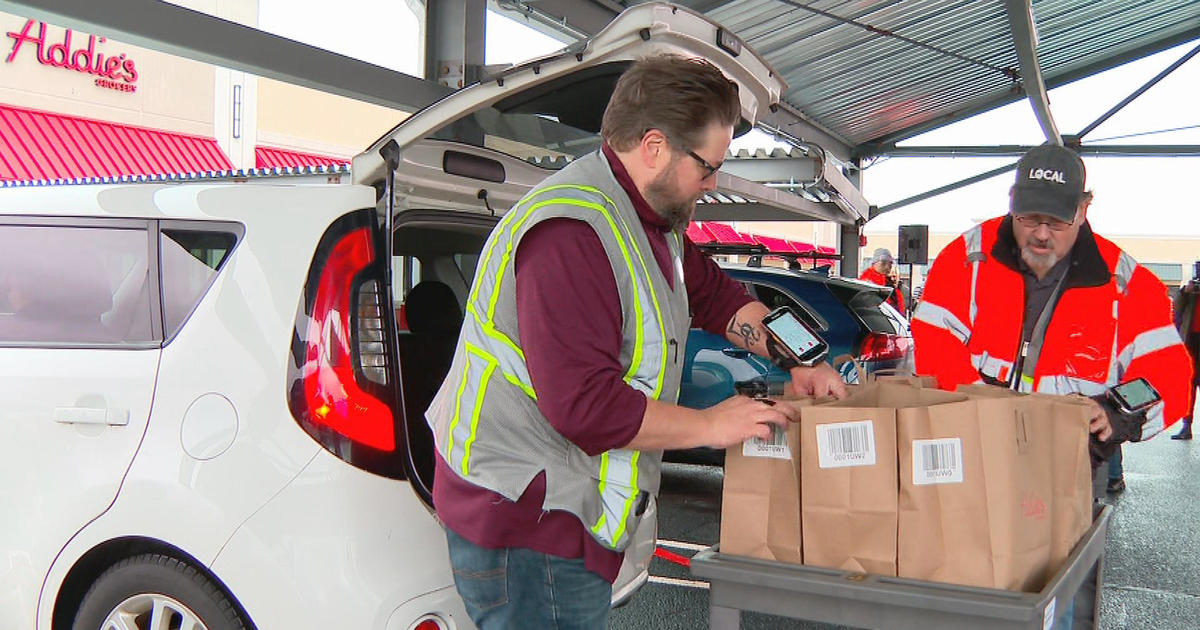
They also need to identify the customer service options that are really important to consumers. That could be curbside pickup or special services for people with kids. It’s about finding the right customer experiences that people value and doubling down on those.

What lessons have retailers learned over the past three years, and how are they applying them today?
Consumer behaviour returned to normal somewhat more quickly than people expected. Once people were released back into the world, they did return to shopping in physical stores.
However, people learned that they could get almost anything delivered to their homes. There’s been a ratcheting up, which I think will be permanent, of an increased expectation of e-commerce delivery being available from every retailer. There’s also an expectation of greater efficiency. We are now permanently used to the idea of things just being easy. People won’t go back.
Are retailers using tech to reinvent the in-store shopping experience?
Yes, we see retailers working to make their stores ‘sweat’ harder. The physical store now has to be a media hub, and we’re seeing brands experiment with that. Nike, for example, in South Korea, has a green-screen studio right next to the changing room so bloggers, influencers and regular shoppers can show off the items they’re trying on and recommend them to their followers.
We’re also seeing good use of augmented reality for layering product and contextual information, through scanning a QR code, for example. That’s being used by Burberry, Nike and others. And we’re also seeing the beginnings of integration with the metaverse. It’s still early, but we see that some stores understand the connection between the metaverse and physical stores.
Are you also seeing an increase in more prosaic in-store technology?
Oh, yes. For example, if a customer doesn’t have the ability to scan a code to order an item in a colour or size that isn’t physically in front of them on that day, that’s a failure. If you don’t have that, you need to be working on it, and that is what a lot of retailers are working on.
There are fewer human associates to speak with, so I think we’re going to see more use of artificial intelligence for things like chatbots. But people today have to be able to help themselves, and that means having access to information through an app or QR codes that lead to the augmentation of reality.
Are retailers using tech that’s not visible to customers to improve their in-store experiences?
Digital twinning is on the uptick. That can mean different things in different circumstances. Lowe’s is using it in prototype in the US, where they created digital twins of three of their physical stores. There is real-time data incoming on things like inventory and footfall and all of the rest of it, and that allows the store to optimise systems and staffing.
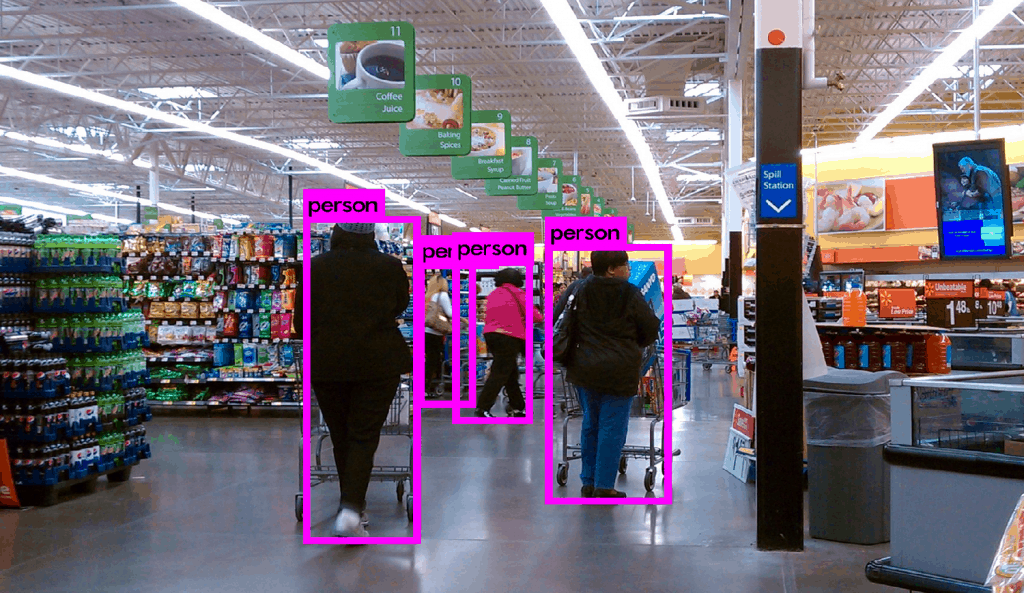
You also have more use of basic computer vision, which can massively improve a store’s efficiency. For example, a store associate today can walk along an aisle holding a smartphone and scan the entire fixture to learn what’s out of stock, what’s in the wrong place and so on. Computer vision is becoming another of those basic hygiene areas. They are not sexy areas, but they are extremely important.
Please contact rachel@gdruk.com to find out how GDR’s consultancy, inspirational speaking, trends and sector reports can help drive positive change in your business.