
Last week two of this year’s most seismic sustainability-focused pieces of brand news dropped within a number of hours of each other. First, Patagonia owner Yvon Chouinard announced he was giving the company away to a charitable trust to ensure it continues to fight against climate change after his departure. Then, Ethereum, the second biggest cryptocurrency in the world, announced the completion of “The Merge”, which claims to have cut its energy requirements and CO2 production by a massive 99.9%.
Both of these updates have the potential to inspire positive change within their industries and beyond by really moving the needle in terms of how brands can be expected to behave. In celebration of this, in this article we highlight what makes these stories potentially so important, and also pick out the other sustainability stories from this year that we’re most excited about less than two months out from COP27 in Egypt.
Patagonia “going purpose”
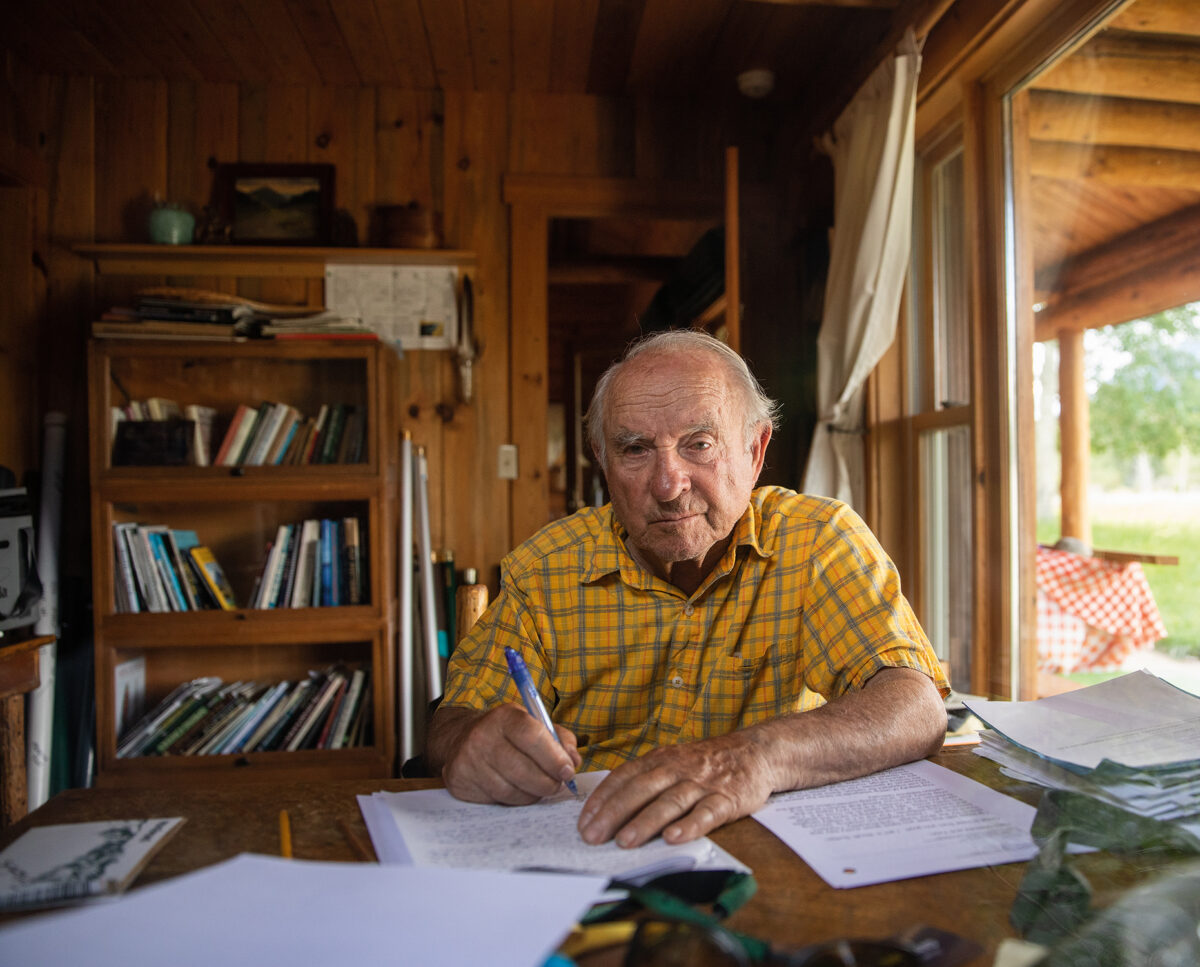
Rather than selling up and donating the money to eco charities, or taking the company public, Patagonia owner Chouinard felt the only way to secure the company’s long-term commitment to fighting climate change was to do something completely new. As he explained in a blog post named Earth is now our only shareholder, he said: “Instead of “going public,” you could say we’re “going purpose.” Instead of extracting value from nature and transforming it into wealth for investors, we’ll use the wealth Patagonia creates to protect the source of all wealth.”
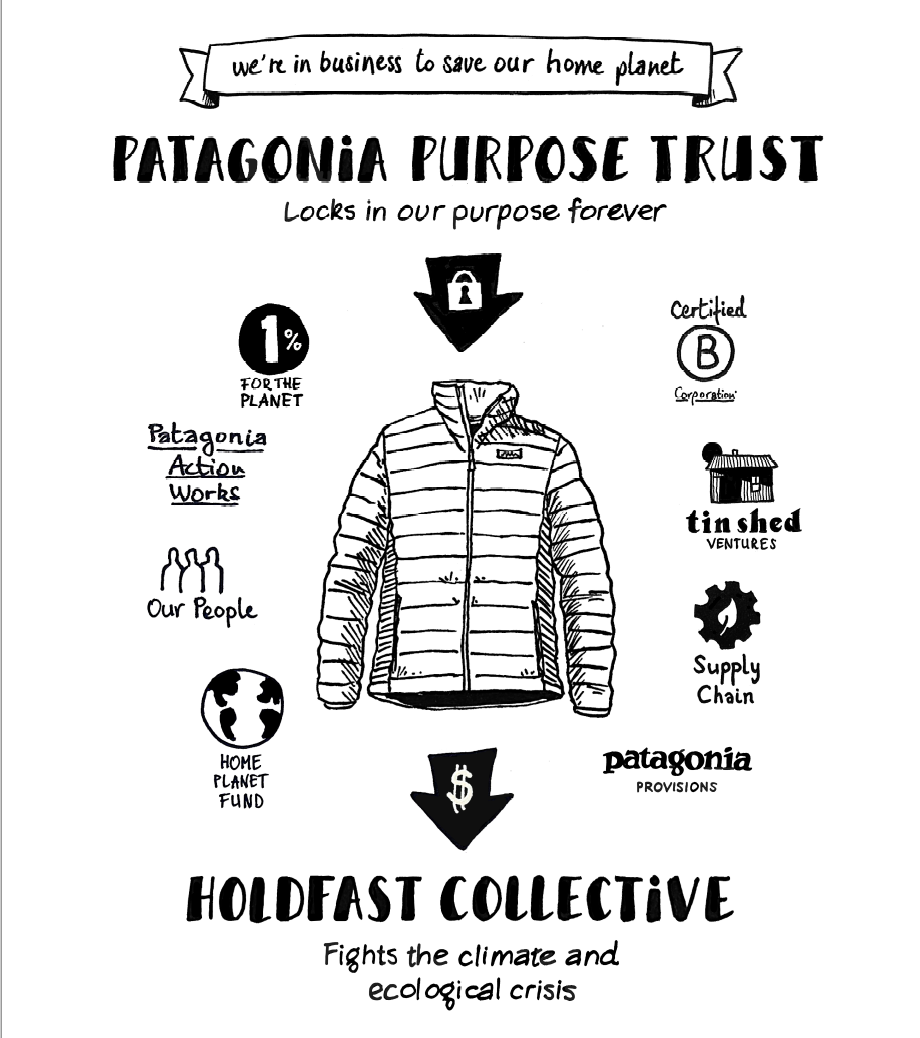
Patagonia has effectively been split in two with 100% of its voting stock given to The Patagonia Purpose Trust, which will ensure that the company’s core values are kept intact, while all nonvoting stock has been given to environmental non-profit The Holdfast Collective. Every year all Patagonia earnings that do not need to be reinvested into the company will be donated to climate causes, which is said to be worth about $100m in a good year.
While it seems unlikely that we’ll see any other private companies following Chouinard’s lead in the near future, what this announcement does do is once again move the bar ever higher in terms of what an activist brand looks like and what consumers’ expectations of sustainability and brand purpose are.
Ethereum’s The Merge
As one of the biggest players in the crypto world, Ethereum’s latest shift also moves the bar higher in its industry, hinting at a more efficient and less energy-dependent future for cryptocurrency and the blockchain. In layman’s terms The Merge has changed the way that transactions on the Ethereum blockchain are approved. It removes the energy-intensive practises of crypto mining in place of a new approach called proof of stake where crypto speculators effectively bid for the right to verify a transaction, which they receive a small reward for.

While the crypto world is currently experiencing one of is most significant dips in recent years, the sustainability issues associated with the traditionally energy-heavy practices of crypto mining have been a long-term concern for many. Thus, a progressive step like The Merge, which banishes those sustainability issues, is a significant move not just for Ethereum, but for the blockchain industry as a whole.
Other leading examples
Doconomy’s Re-Store
Swedish sustainability specialists Doconomy has launched an ecommerce platform called Re-Store that assesses each customer’s carbon footprint before linking them to partner brands that can help them to lower it.
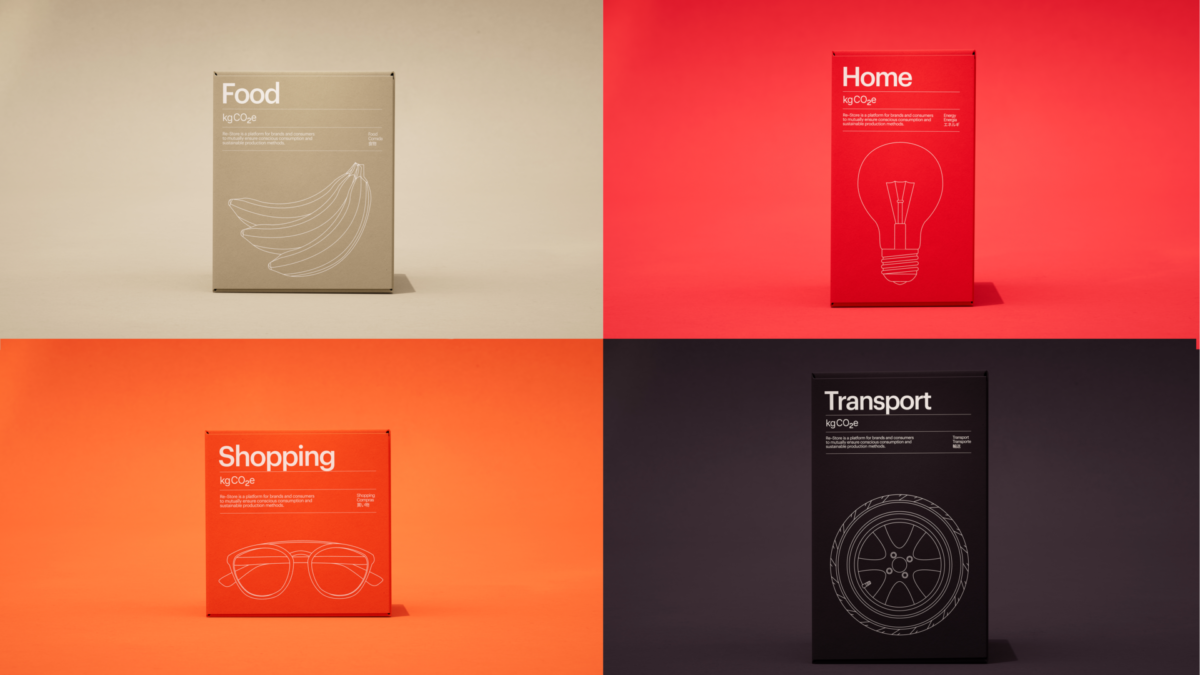
When first visiting the site, consumers take a three-minute quiz about their consumption habits and lifestyle that delves into four key areas: transport, shopping, home and food (click here to watch a video of the quiz). After answering several dozen questions Re-Store reveals the shopper’s annual carbon footprint and how each of the four core areas contributes to it. Re-Store then gives each visitor a list of personalised recommendations featuring partner brands, whose products and services could help them lower their carbon footprint.
Ikea Vienna
Ikea’s bookshelf-inspired Vienna flagship claims to boost the microclimate and biodiversity of the local area. The six-storey flagship is wrapped in a unique structure – likened to a bookshelf – that creates a series of terraces and locations for plants and trees to sit around the outside of the store. More than 160 trees are positioned across the structure and on the roof-top terrace.
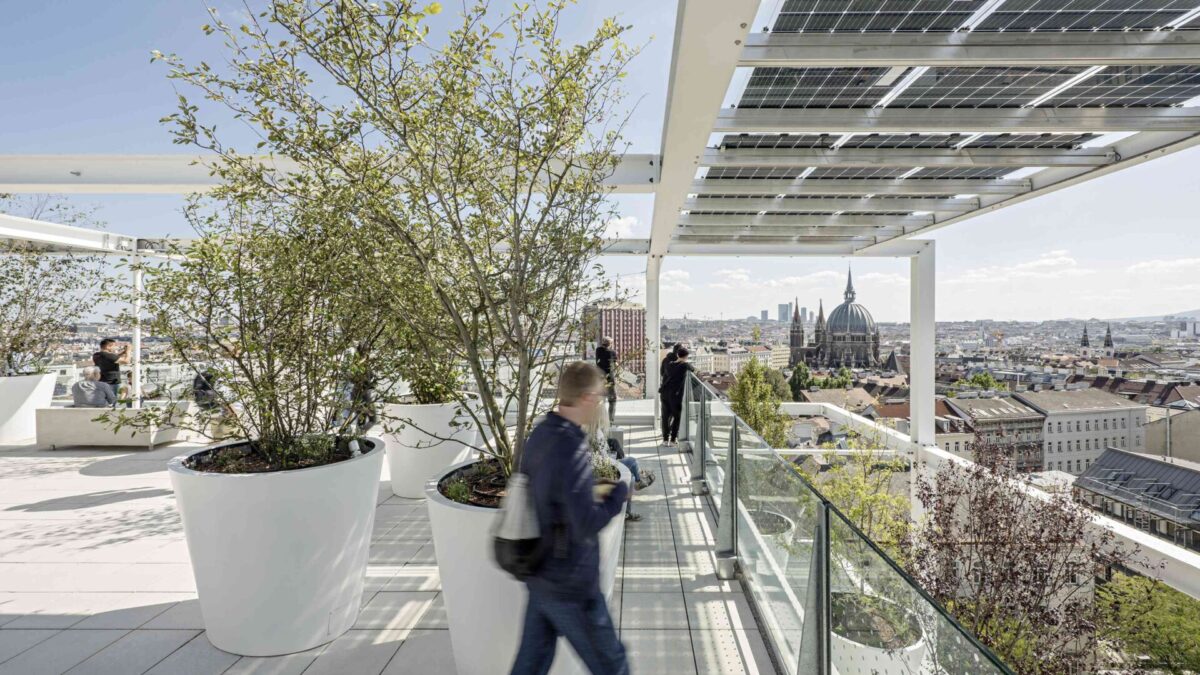
According to Quekraft Architekten, who built the store, this will produce “a perceptible impact on the microclimate” around the store, which will equate to the temperature being naturally reduced by 1.5 degrees Celsius in the summer. The outside of the store also includes 30 nesting spaces for birds and insects to offset the impact the construction could have on the local population of kestrels, swifts, bees and bugs.
Ulé skincare
Environmentally-conscious Shiseido sub-brand Ulé claims to be the first beauty brand in the world built around ingredients grown in its own vertical farm. The brand sells moisturiser, serum and mist products that are all made using plant extracts grown in its own facility in France, which it refers to as an “eco-farm”.
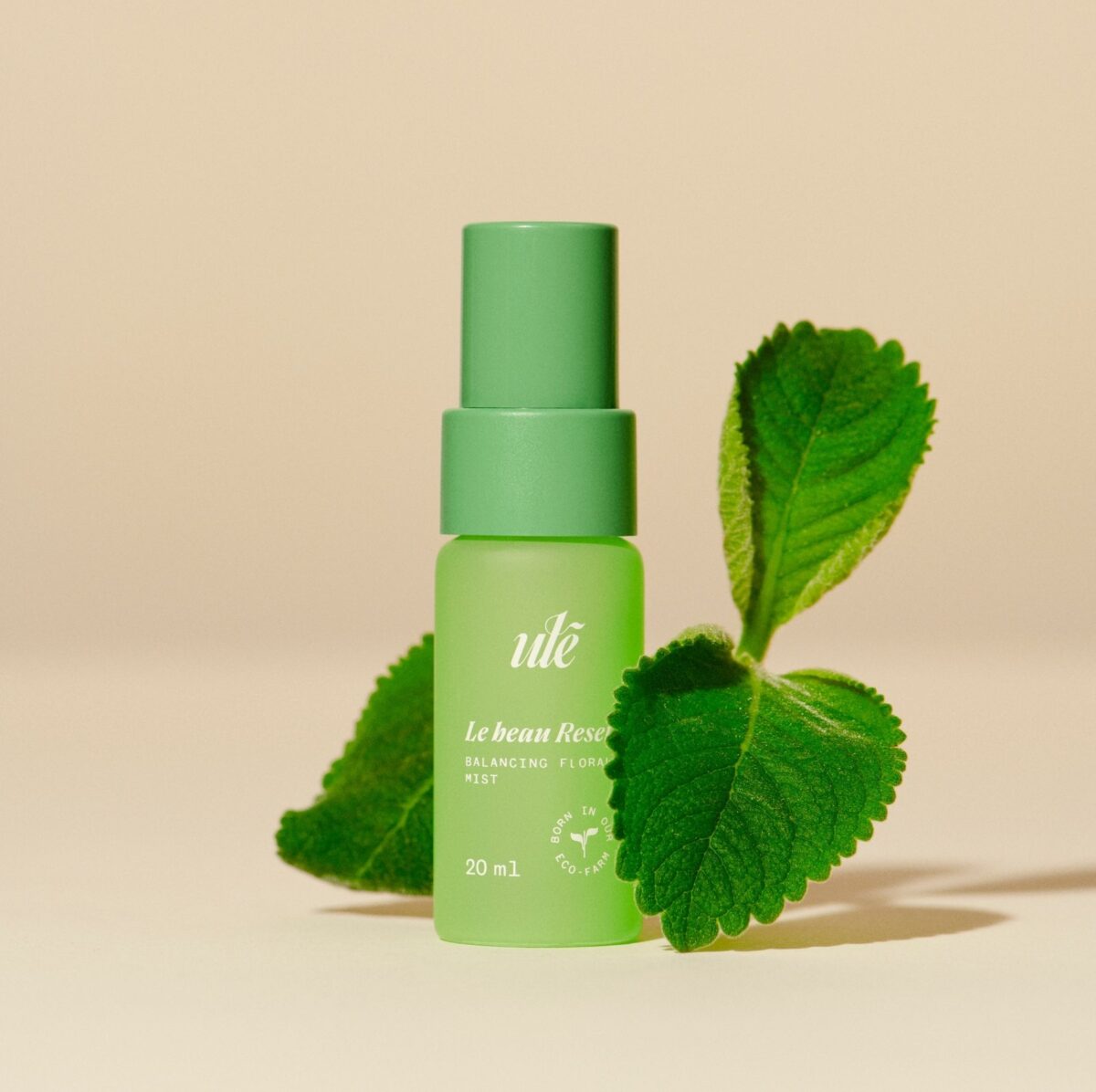
The brand says that the production process uses less land and less water, while creating ingredients that are purer, more consistent, pesticide-free and that don’t need to be transported from different parts of the world. This leads to Ulé’s claim that its production process is more efficient, sustainable and safer.
Ganni’s Insetting
Sustainability-focused Scandi-fashion brand Ganni has announced that it is no longer backing carbon offsetting schemes, and is instead focusing on reducing the carbon footprint of its production process, which it refers to as “insetting”.
Speaking of the brand’s decision to walk away from carbon offsetting with Vogue Business, Ganni founder Nicolaj Reffstrup said: “There was a growing awareness that some might use this as a way of paying indulgence for their bad behaviour, and we didn’t want to be part of that conversation.
“We stopped compensating for our carbon footprint. We put aside that money and saved it up for investments in bringing down the carbon footprint of our supply chain, making actual reductions.”
If you’re interested in any of the themes discussed in this article, get in touch with rachel@gdruk.com to find out how GDR’s consultancy, inspirational speaking, trends and sector reports can help drive positive change in your business.