As water scarcity becomes a more prominent concern globally, we explore three innovations that reimagine how we source our water.
The CEO of the Environment Agency in the UK Sir James Bevan raised more than a few eyebrows last month when he suggested in an article in The Sunday Times that reprocessed sewage water offers an appealing solution to our diminishing water supplies. Addressing the measures that could be taken to avoid severe droughts in an article headlined “Drinking recycled sewage is the future” he argued that: “Part of the solution will be to reprocess the water that results from sewage treatment and turn it back into drinking water – perfectly safe and healthy, but not something many people fancy.”
While he acknowledged that his stance would be “unpopular” with many, his view is that to protect our water supplies people need to “change the way they think about water” and be “less squeamish”.
Data from the United Nations Environmental Programme backs up the assertion that a dramatic change is needed to create a sustainable global water supply. Its research reveals that the global demand for water will exceed supply by 40% in 2030, making it clear that doing nothing is no longer an option.
As water scarcity becomes a more prominent concern globally, this week we highlight three innovations that promote a different approach to how we source our water. These examples require consumers to learn new behaviours, or adopt new consumption habits that push us out of our comfort zones but, as Sir James Bevan touched on, this may be the cross we need to bear to ensure a global water supply remains viable.
Case study examples
New Brew
Singaporean brewery Brewerkz has launched a new beer made using reclaimed and filtered sewage water. Rather than using the spring water that goes into most of its products, Brewerkz’ New Brew Tropical Blonde Ale is made using Newater, which is sewage water that has been filtered and sanitised so that it is safe to drink.
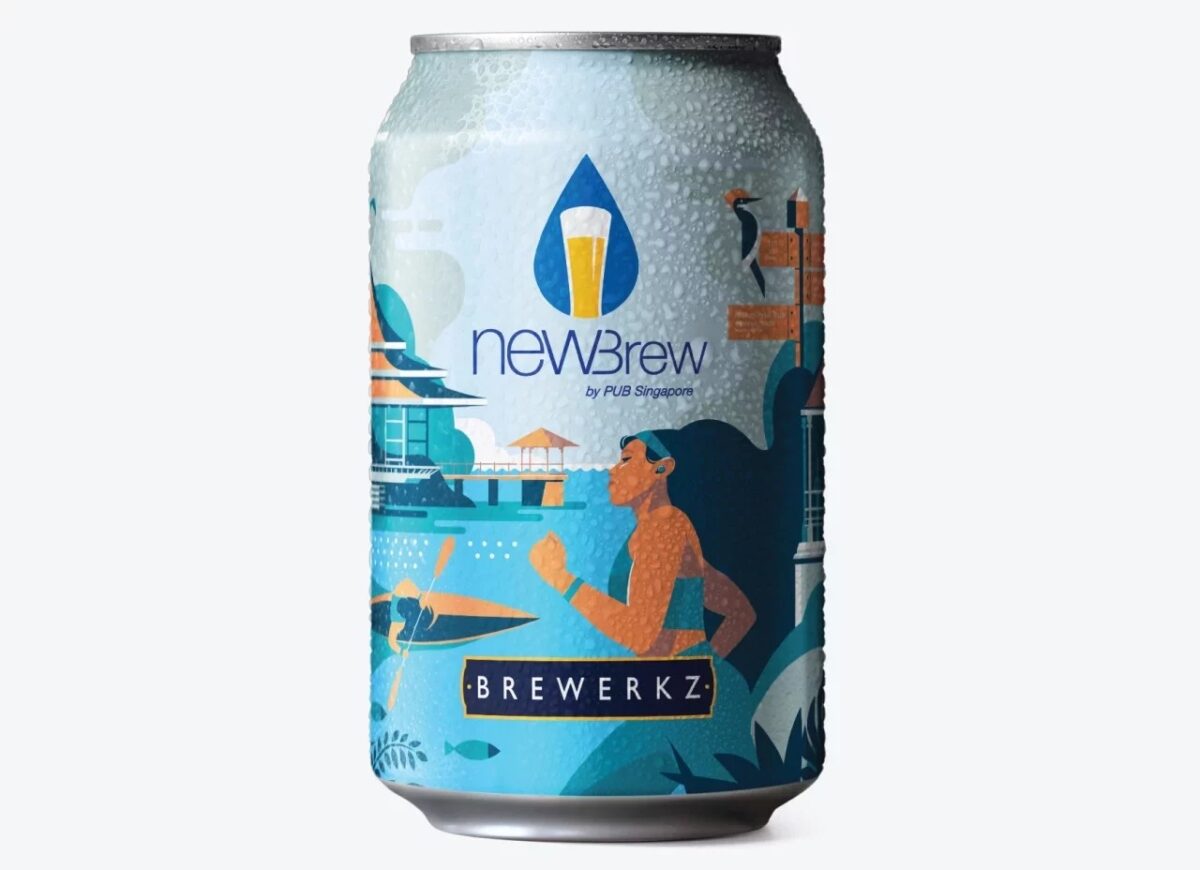
While globally most drinking water is sourced from rivers, reservoirs and underground sources, Newater has actually been part of Singapore’s water supply since 2003. New Brew represents the first time it has been used to create a commercial product, forcing consumers to evaluate their preconceptions over where water comes from.
Brewerkz has been experimenting with the 5% ABV beer for a number of years and has previously made it available on draught at events. However, it is now available to buy off-trade for the first time. The beer is described as having a “distinct fragrance” and a “honey-like aftertaste”, which is attributed to the “premium German barley malts and calypso and citra hops” used in its brewing, rather than source of the water.
Lylo
Lylo is a portable washing machine concept that aims to reduce the amount of water consumers use in their daily lives by reusing shower water. Created by two students in the UK, Joanna Power and Paramveer Bhachu, Lylo has a detachable water tank that can be placed in the base of a shower while washing. This captures grey water that can then be filtered by the Lylo device, before being used to wash clothes in a 15-minute cycle.
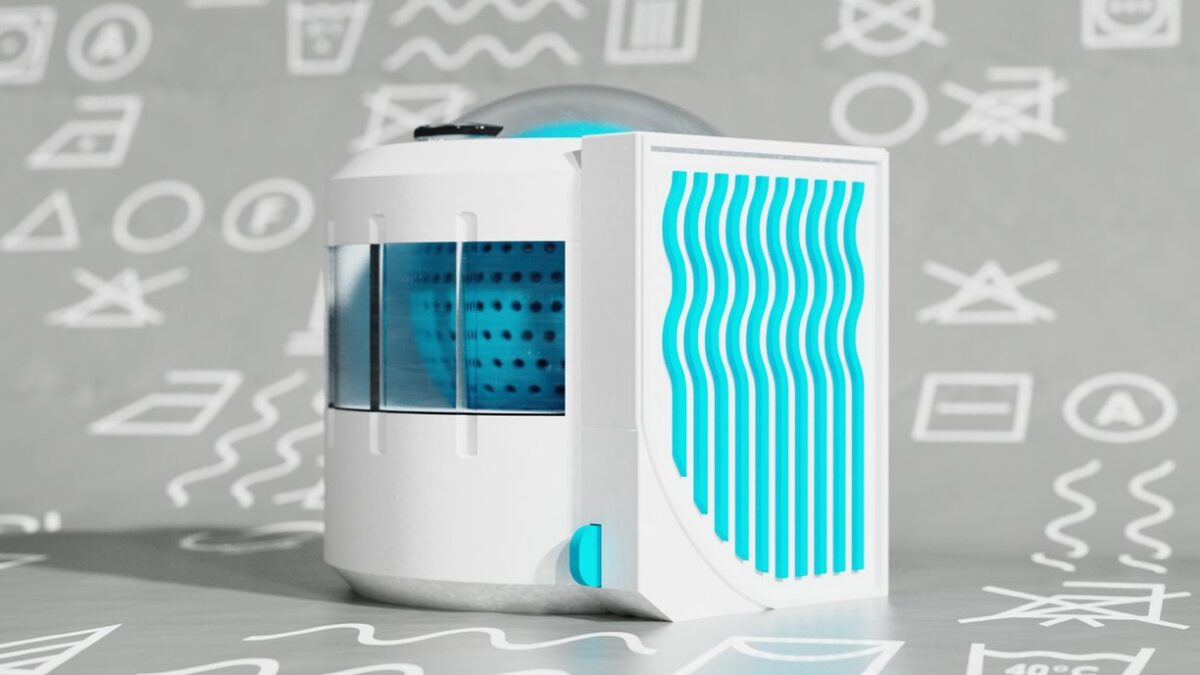
According to Lylo, the average person in the UK uses 149 litres of water per day, with two of the biggest outputs being on showering (12%) and laundry (13%). Thus by using the same water for both of these tasks, Lylo offers an efficient solution to the potential water shortages of the future. The product is set to go into production in 2023.
Lucy Smart Cap
Waterless beverage brand waterdrop has released a smart bottle cap with a UV-C sensor that cleans water, removing 100% of all contaminants. Designed to allow users to filter and purify water on-the-go without needing to use any chemicals, the Lucy Smart Cap fits on to any of waterdrop’s reusable bottles.
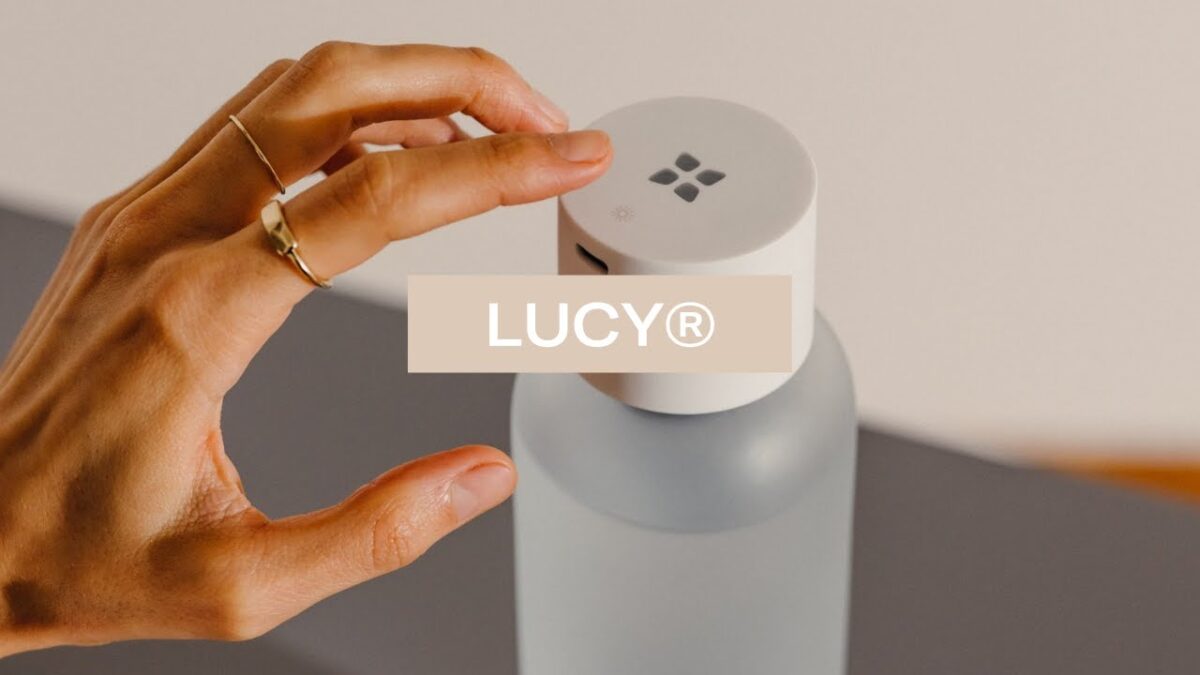
The purification function can be started by pressing a button on top of the cap. This sends a series of pulses from the cap’s “powerful UV-C sensor” through the water, which will deactivate all potential contaminants including viruses, bacteria and germs in “a reliable and harmless way”.
If you’re interested in any of the themes discussed in this article, get in touch with rachel@gdruk.com to find out how GDR’s consultancy, inspirational speaking, trends and sector reports can help drive positive change in your business.