Never before have we witnessed such a large volume of brands, start-ups and food scientists creating products that fundamentally rethink the very nature of what food is: how it is made, where we source materials, which ingredients we use, its nutritional value and even what the final format is.
This trend – which we’ve coined New-trition – has been developing for the last few years, we believe driven by the convergence of a number of significant macro issues: climate change, sustainability, the wellness awakening and the rise of identity politics.
On the one hand, the unsustainability and fragility of global supply chains and the devastating effects of deforestation and climate change have created the need for food scientists to develop alternative food production processes. On the other hand, we have never been more aware of the physical and mental needs of our bodies and the pivotal role food can play in helping us address our key needs and change our mood states.
At the same time, younger generations faced with greater economic uncertainty than their parents are expressing themselves by identifying with cultural, social and political moments that align with their beliefs. This extends into food where ethical and sustainable brands are fast becoming the new status symbol.
The examples below give a taster of how the New-trition trend encapsulates lab engineered food, enhanced nutrition and products offering bespoke formulations. If you’re interested in finding out more about this trend and how GDR can help you unlock its potential, contact rachel@gdruk.com.
SquarEat
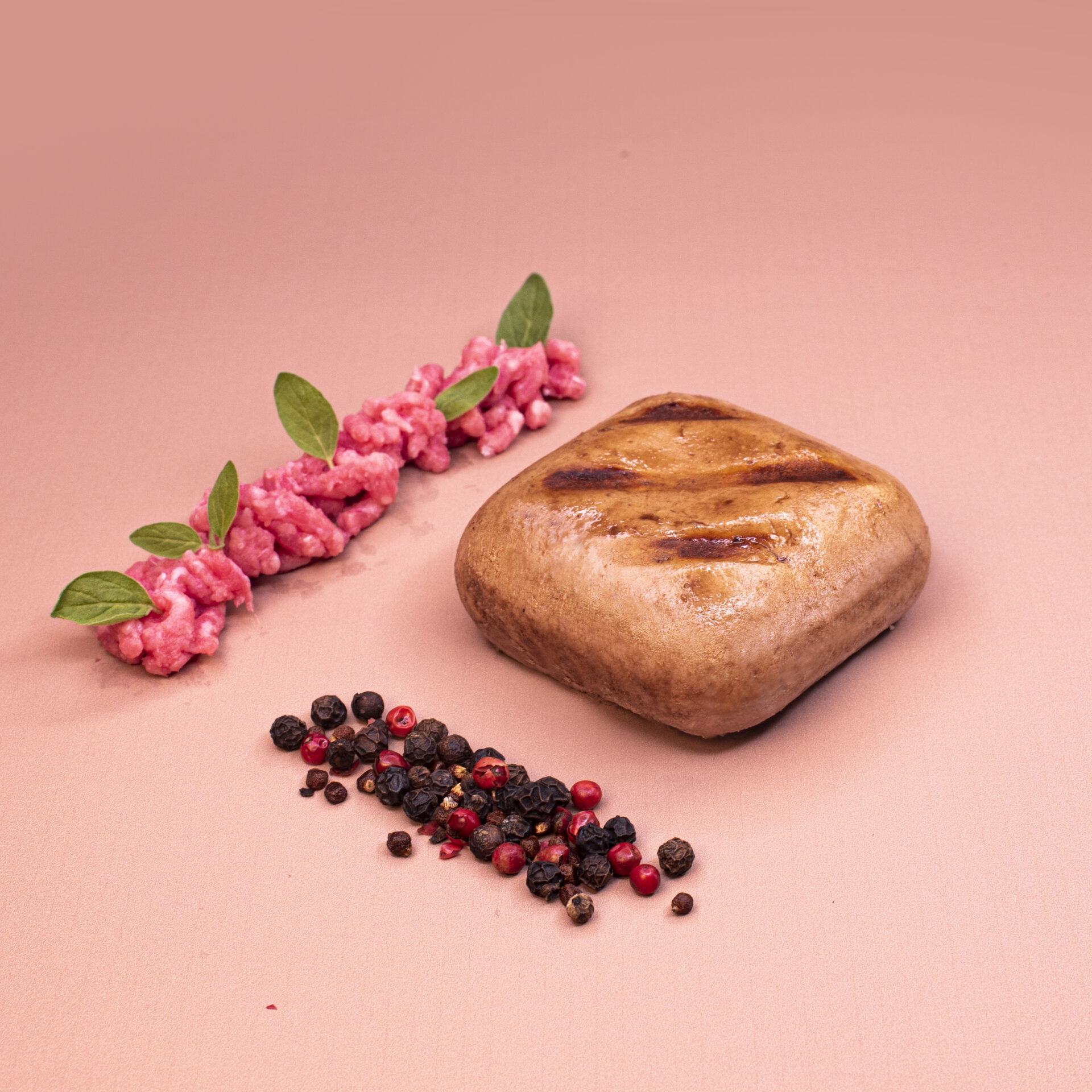
SquarEat is an Italian food start-up whose product is a range of edible squares that it hopes will revolutionise the food industry. Each 50g square is made up of a single ingredient plus a small number of seasonings such as salt and pepper. There are squares of chicken, beef or fish, as well as squares for various carbohydrates and vegetables. These can be heated and eaten together in the same types of combinations in which the ingredients would usually be eaten.
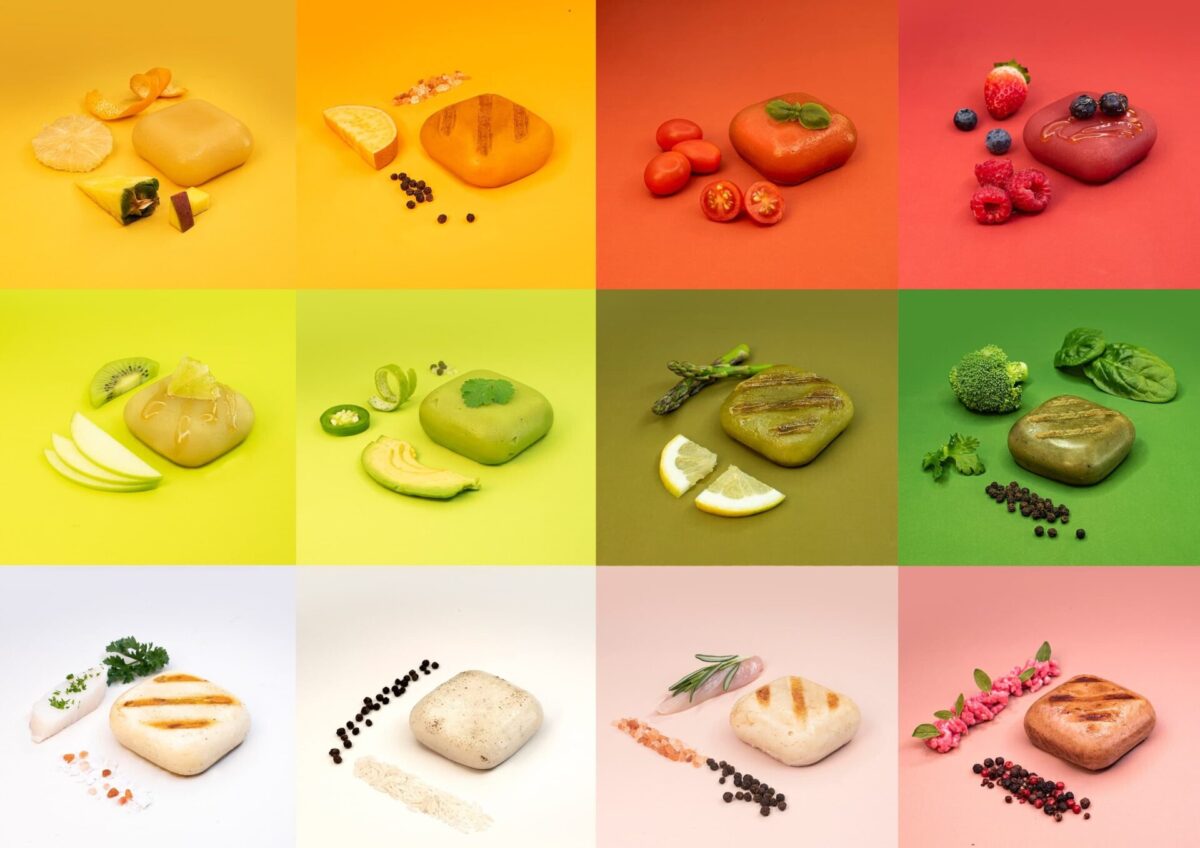
According to SquarEat, its squares are superior to products supplied by other meal delivery companies because in addition to being nutritionally balanced, easy to store, natural and low waste, they can be stored for up to four weeks thanks to SquarEat’s production method and they can be eaten anywhere, hot or cold.
Atomo Coffee
Atomo is a coffee brand that uses molecular techniques rather than coffee beans to create its products. Atomo products are made from 98% upcycled ingredients from partner farmers, so its process starts with “giving their plant waste a second life”. These ingredients include date seed, chicory root and grape skin, which undergo a patented chemical process that converts them into the same compounds found within green coffee beans. Caffeine is added before the product is roasted, ground and brewed in the traditional way.

Atomo, whose first commercial products have just come to market, claims that its processes use 94% less water and 93% less carbon emissions than conventional cold brew coffee.
Voyage Foods
Voyage Foods is a team of food scientists that aims to recreate some of the most popular consumer food products in the world without relying on the hard-to-source ingredients they are traditionally built upon. To date the sustainability-focused company has created peanut butter without peanuts, chocolate without cocao and coffee without coffee beans using its “revolutionary patent-pending technology”.

Voyage Foods’ approach is based on the premise that, as CEO Adam Maxwell explains: “A cacao bean doesn’t taste anything like a chocolate bar. The taste, texture and function all come from fermentation, roasting and other processing.” Thus, rather than relying on ingredients like cocao, coffee beans and peanuts, which are expensive to source and carbon heavy to transport around the globe, Voyage Foods focuses on using modern scientific methods to turn easily-sourced natural ingredients into the recognisable food and drink products. For example, Voyage’s chocolate is made using grape seeds, sunflower seed meal, sugar, shea butter, salt and natural flavours.
Fx Chocolate
Fx is a chocolate brand that adds functional ingredients to its chocolates and positions them as daily health supplements.
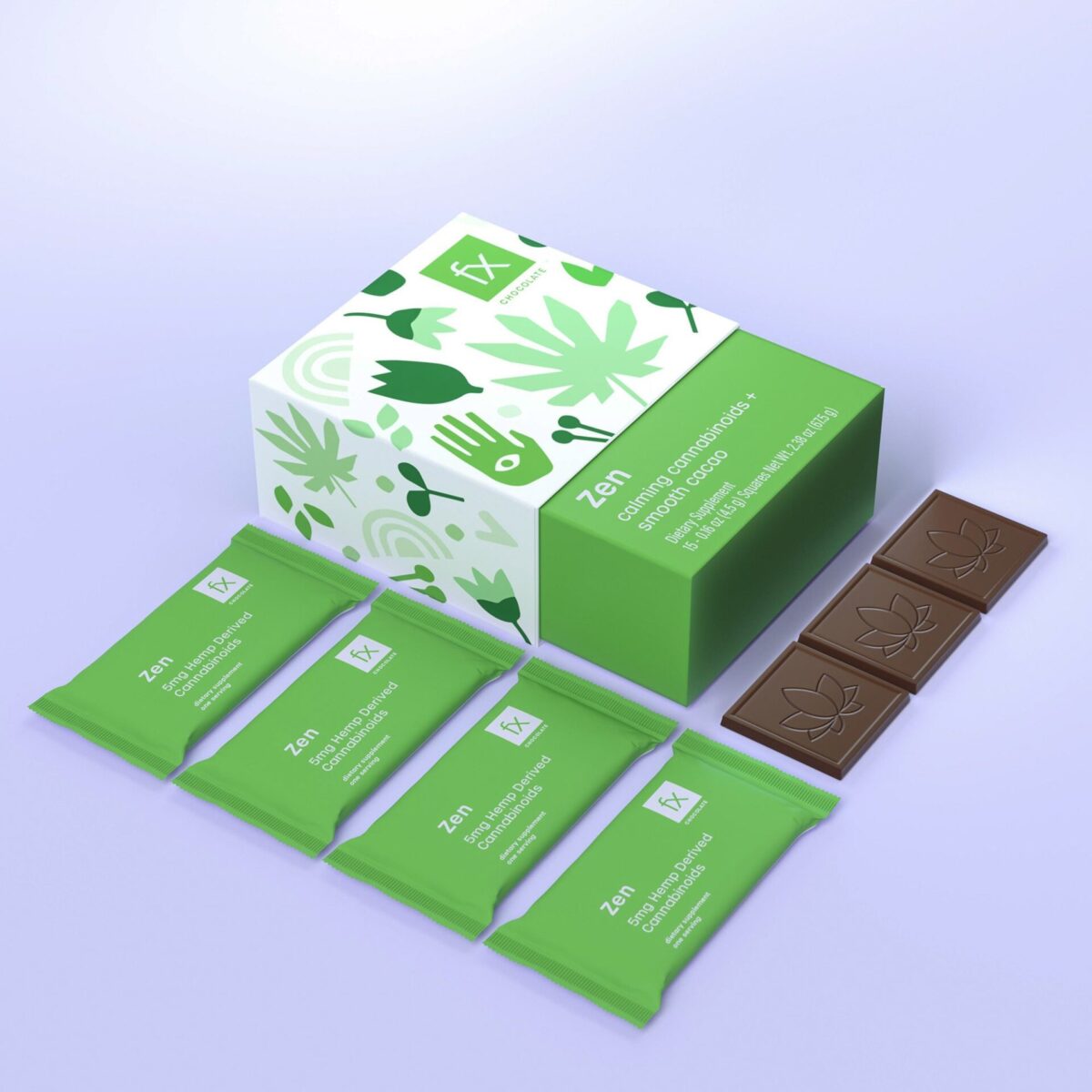
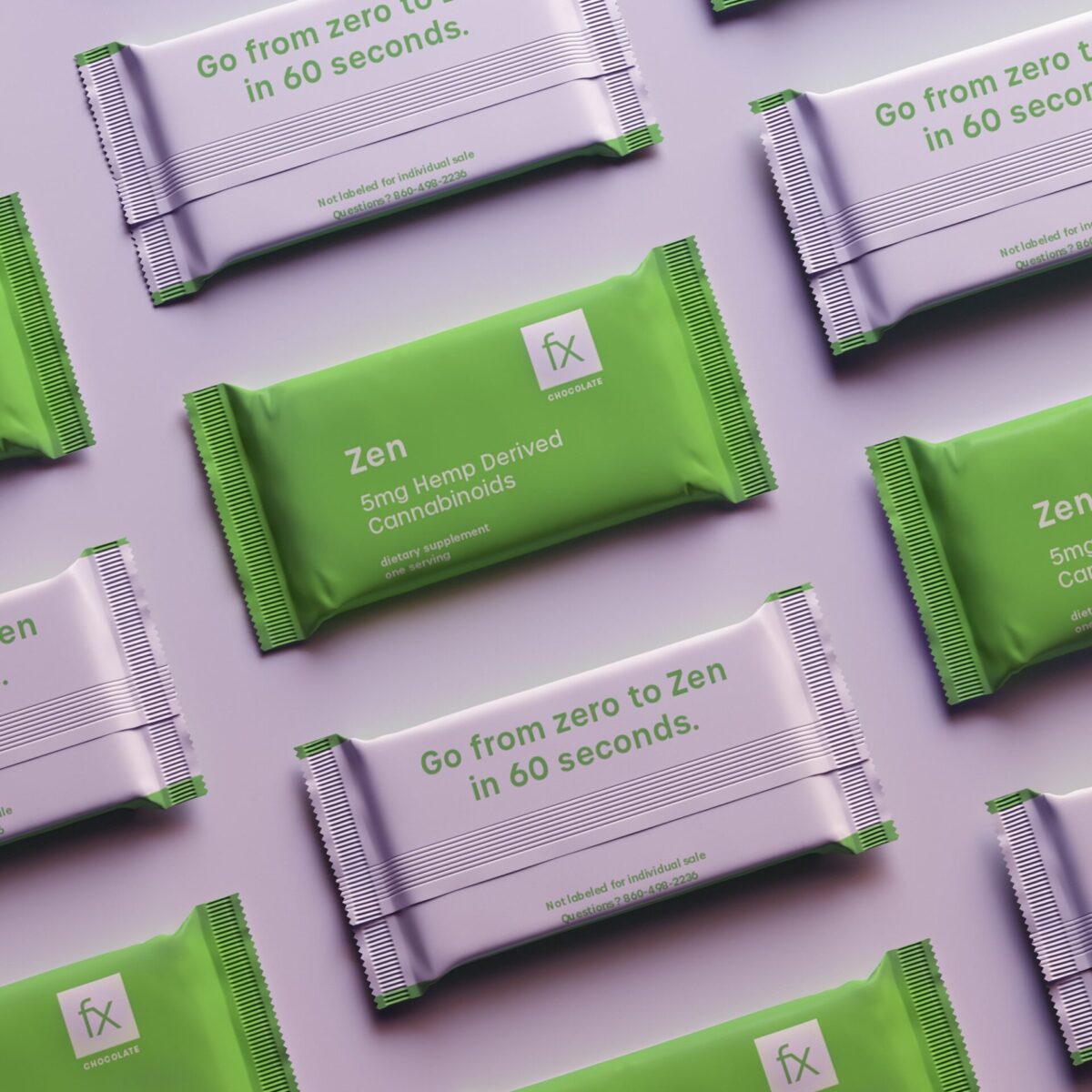
Much like vitamin supplements, the variants within its range are named according to the need state they serve. Exhale, for example, contains active ingredients gaba and l-theanine, while Focus contains ashwagandha and Dream contains melatonin and HTP. Other variants include Sunshine, Zen, Focus and Thrive. Each box, which is priced at $20 for 15 servings, includes individually wrapped chocolates to be consumed daily, like any other health supplement.
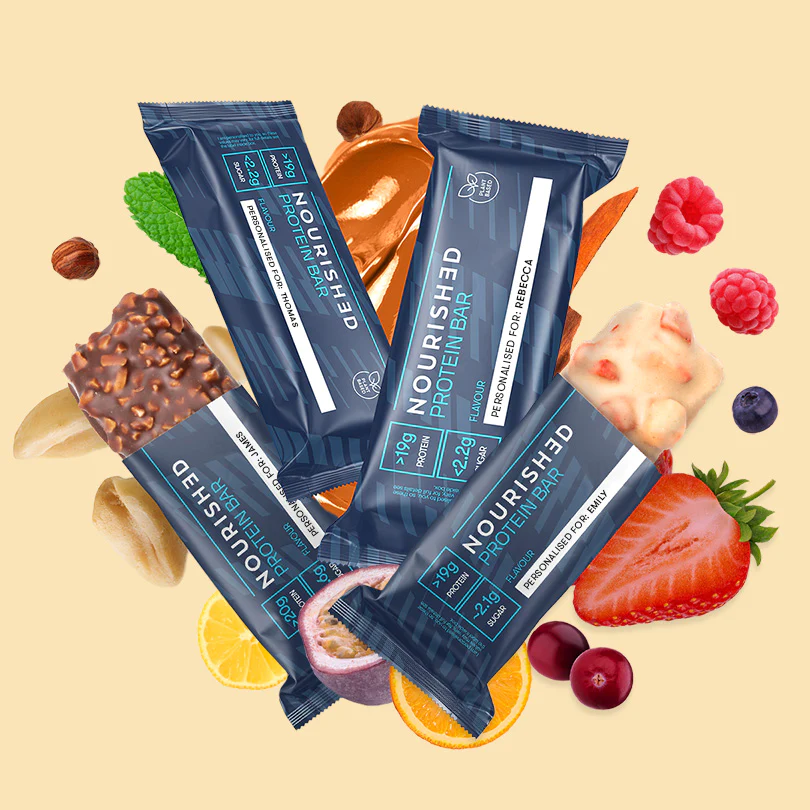
Nourished
Nourished is a UK-based vitamin brand that 3D-prints personalised vitamin combinations for each customer based on a questionnaire they complete when signing up. The comprehensive questionnaire covers information about the customer’s age, sex, health conditions, eyesight, allergies, dietary requirements and habits, alcohol consumption, sleep levels, exercise routine, and lifestyle.
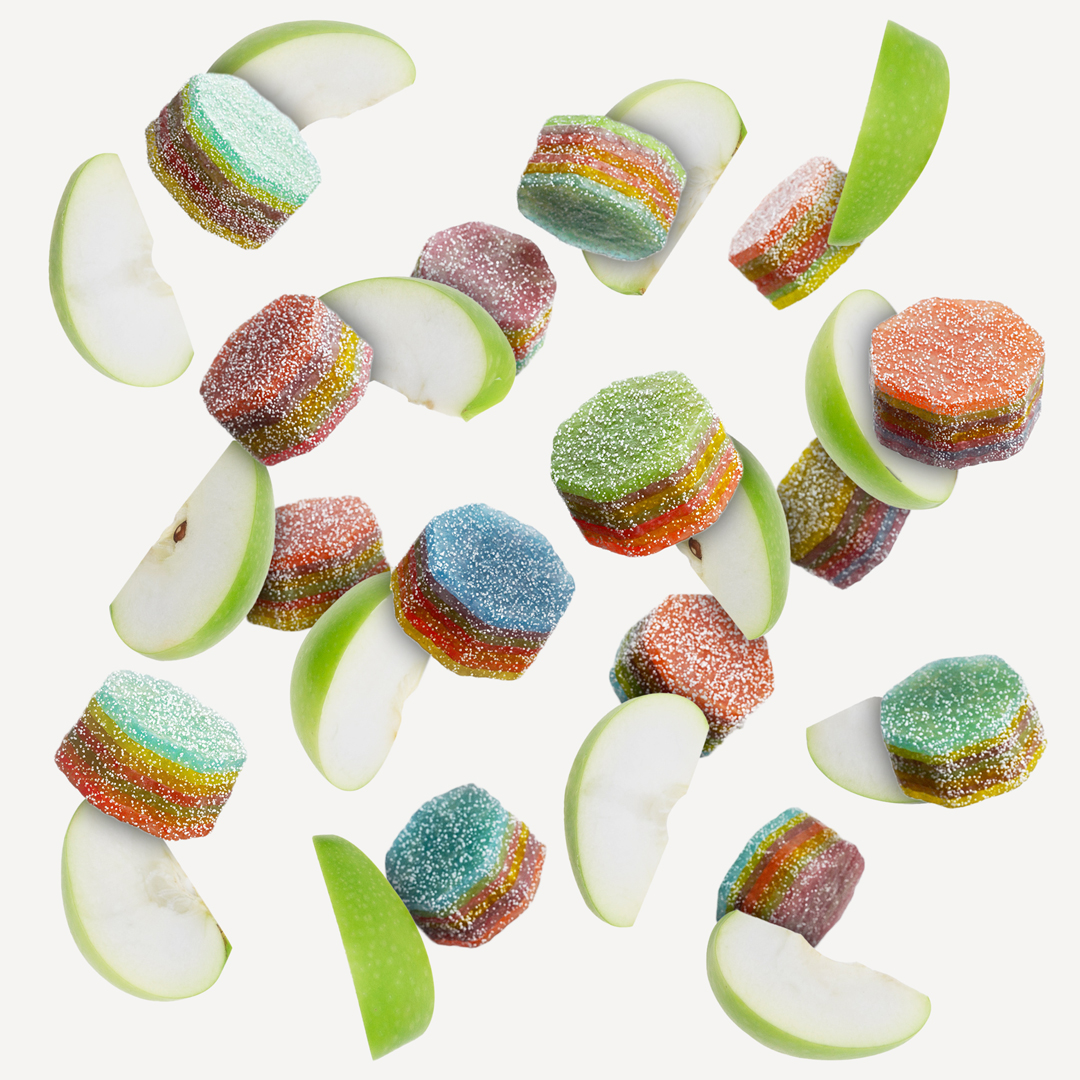
Based on their answers customers are prescribed a combination of vitamins. These are layered on top of one another in gummy form through 3D printing, to create a personalised vitamin stack. Each vitamin layer is coloured differently to provide a clear visual signal of each customer’s personalised mix.
In July 2022, Nourished expanded into personalised protein bars.
If you’re interested in any of the themes discussed in this article, get in touch with rachel@gdruk.com to find out how GDR’s consultancy, inspirational speaking, trends and sector reports can help drive positive change in your business.