We are, some quicker than others, coming to terms with the fact that that the current retail model doesn’t really work from a sustainability point of view. Put simply: we manufacture too much stuff and we use up too many resources.
Consumers are becoming more conscious that their personal decisions have consequences and that they may need to accept compromises or be self-limiting in their consumption if the retail industry is ever to truly become sustainable. Brands and retailers clearly have a key role to play in reducing the carbon footprint of their own supply chains and processes, what sustainable fashion brand Ganni has started referring to as “insetting”. But they also have a storytelling and educational role to play in helping to change consumer behaviours and attitudes.
In this article we highlight five initiatives helping to change perceptions around second hand products and the ideals of repair and upcycling. The retail industry will not become sustainable overnight, but by investing in innovations like these that demand incremental changes from consumers, it will have a fighting chance of getting there in the future.
Samsøe Samsøe ReSell Tag
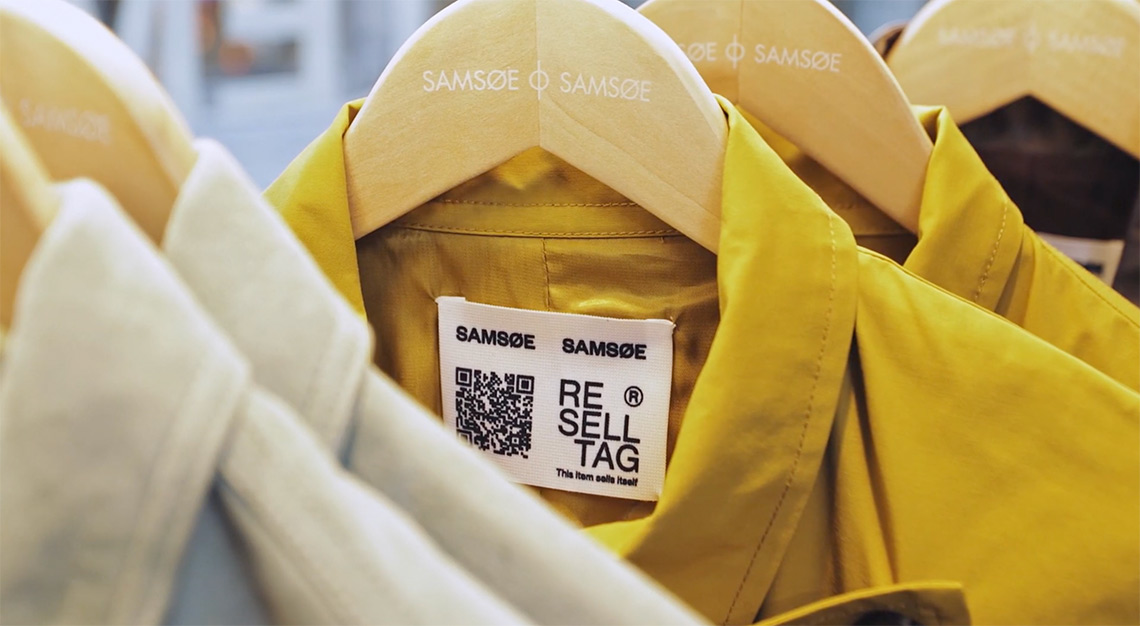
Sustainability-focused Scandinavian fashion brand Samsøe Samsøe is promoting the importance of the resale market via a unique tag on each new item it sells. When consumers have finished with the product and wish to resell it, they simply scan the ReSell Tag QR code knitted into the inside and a pre-paid ad will be automatically generated to promote the sale of it on Meta’s marketplaces on Instagram and Facebook.
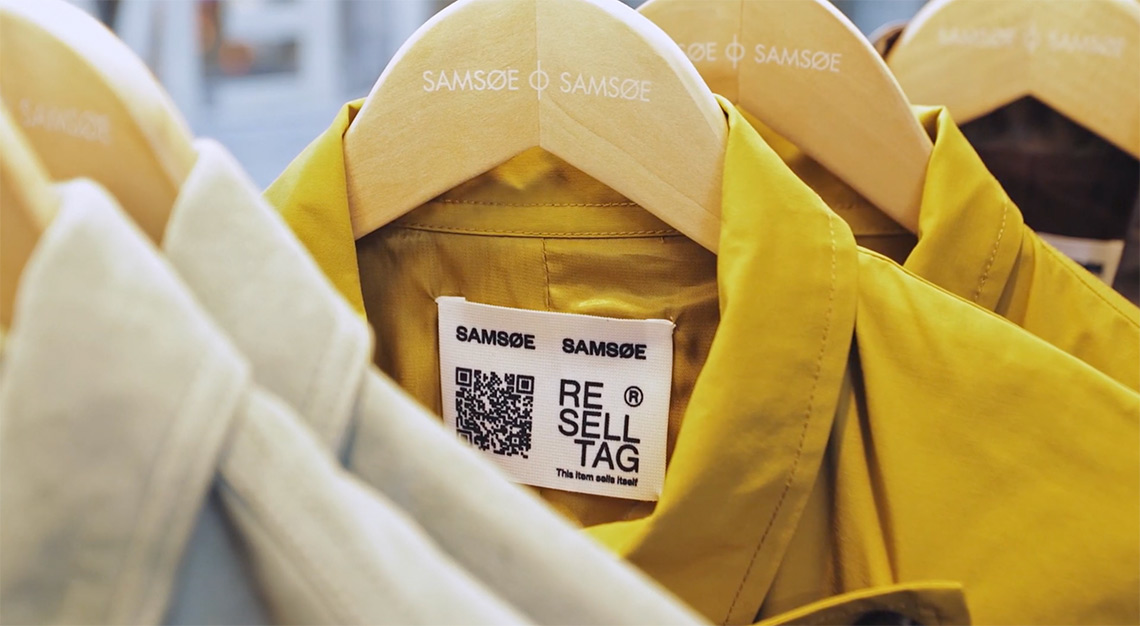
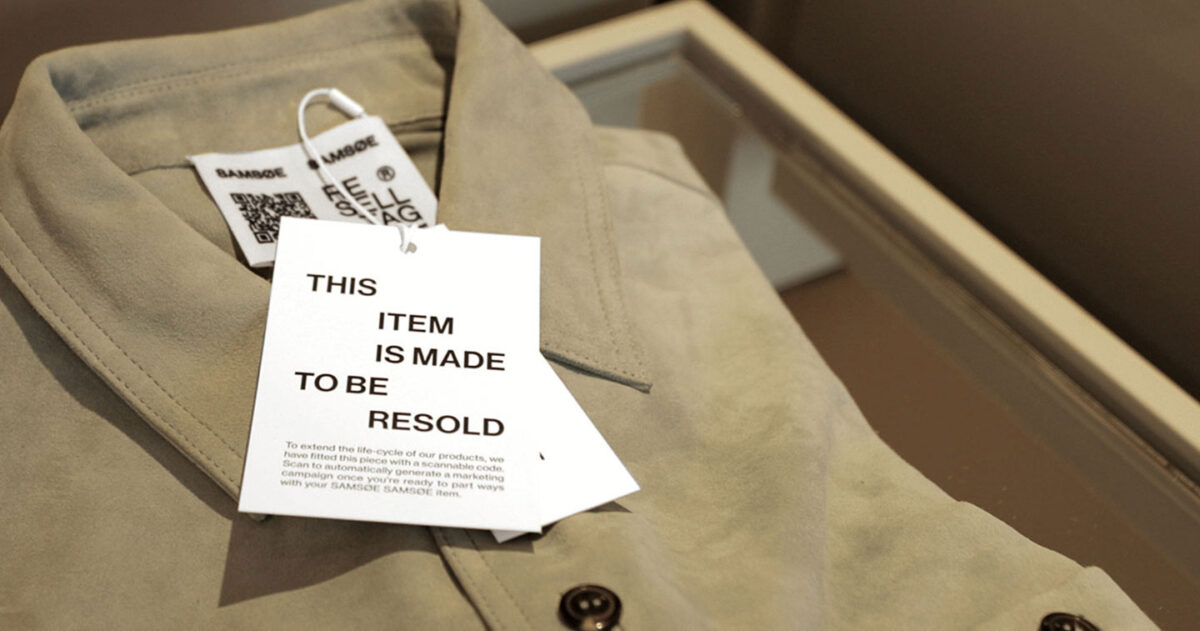
As well as nudging consumers towards resale and making the act of reselling as seamless as possible, the ReSell Tag also makes a strong statement about the quality of the brand’s clothing.
A Circular Store
Durability-focused fashion retailer Madewell has partnered with resale specialists ThredUp to launch a second hand store selling used products from the brand.
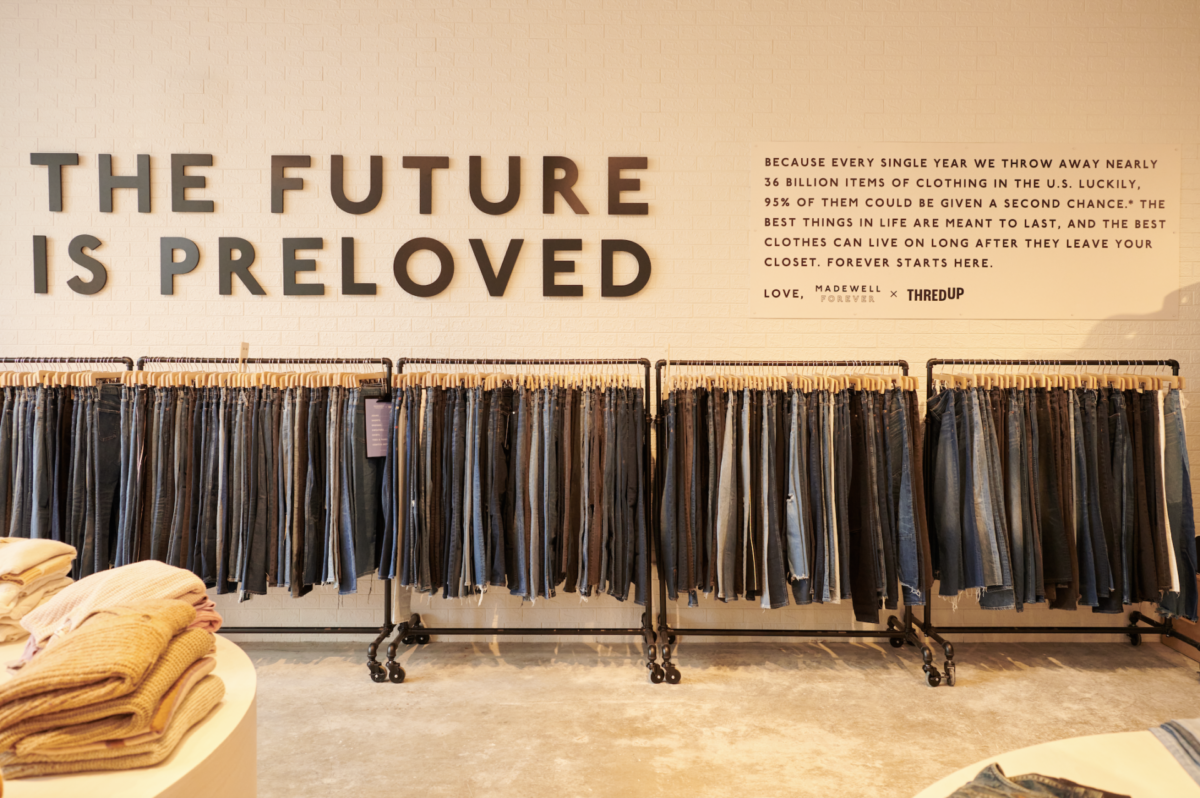
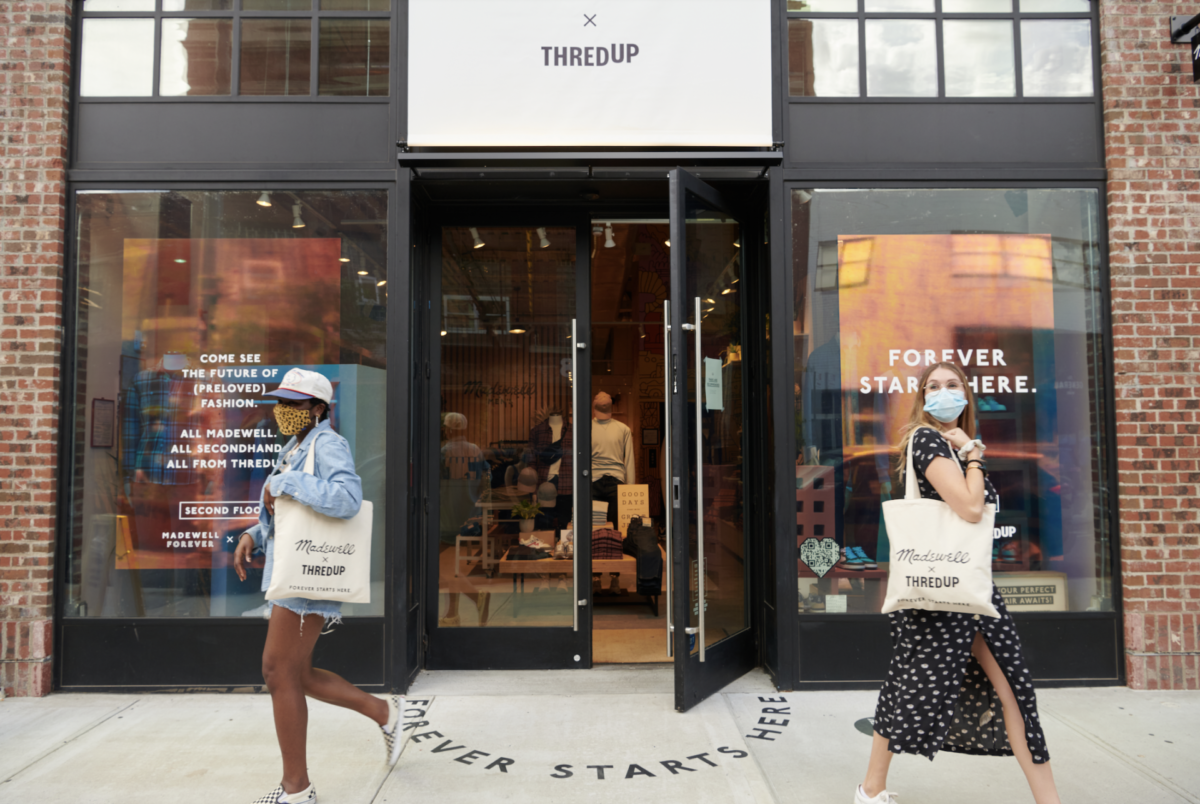
A Circular Store in Brooklyn, New York is stocked with used Madewell clothes sourced through ThredUp’s resale network. It merges retail with education about the unsustainability of fast fashion and services that help customers to look after their clothes so that they last longer.
Bandi
Bandi is a circular fashion app that connects users with the same taste and body size, so they can swap clothes when they want to freshen up their wardrobes. The brainchild of sisters Nicole and Frankie Theakston, who have always swapped clothes, the app aims to give everyone the tools to find people they can swap clothes with, who are referred to as “clothes twins.”
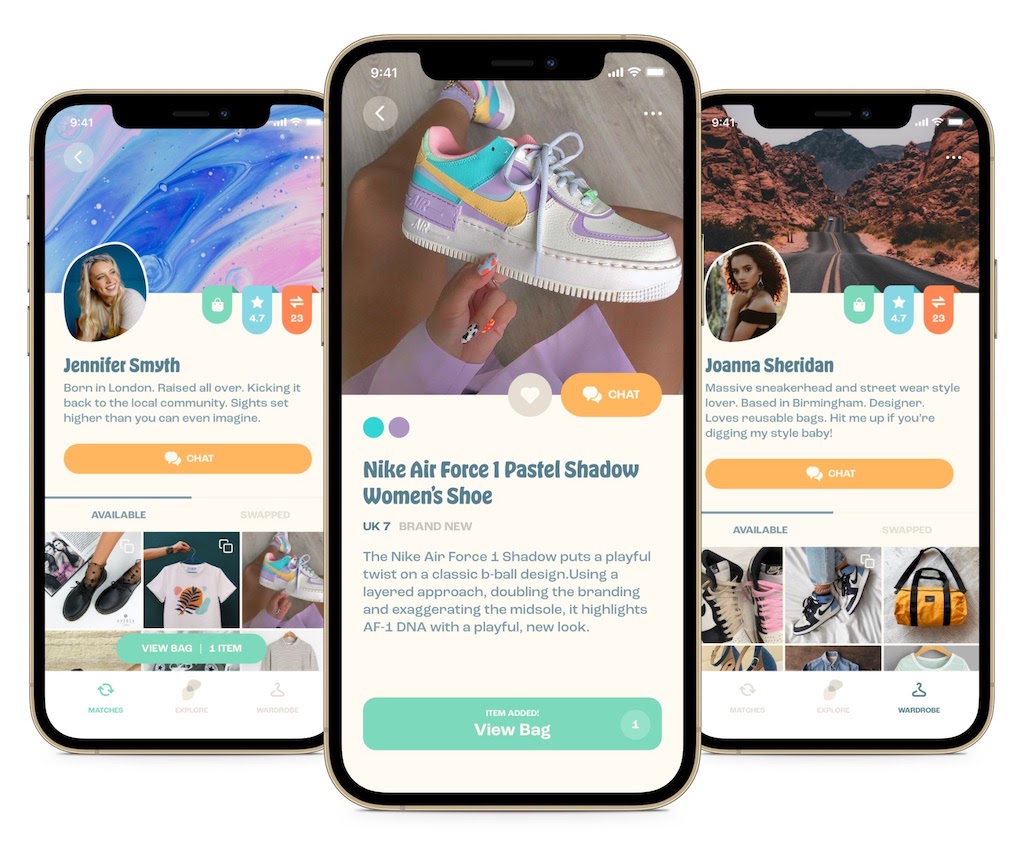
Bandi is positioned as an alternative to the “buy and throwaway” culture of fast fashion, aiming to reduce the carbon footprint without removing the fun.
YesYes
YesYes is a second-hand consumer electronics retailer in the French city of Caen that uses an elevated store experience to shift the stigma often associated with buying used products. The front section of the store borrows design cues from leaders in the consumer electronics space, but the star element of the store is the atelier space at the back where customers can watch 15 of the brand’s technicians at work refurbishing and upcycling used products to prepare them for sale.
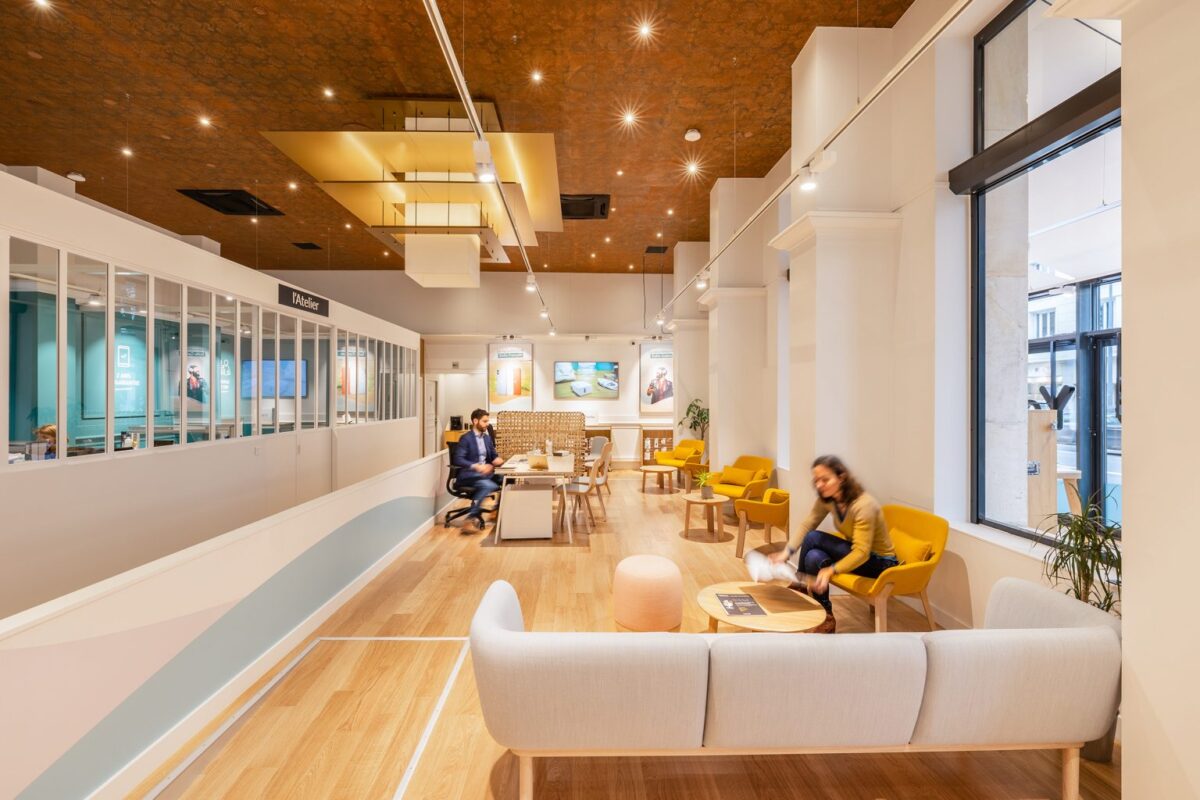
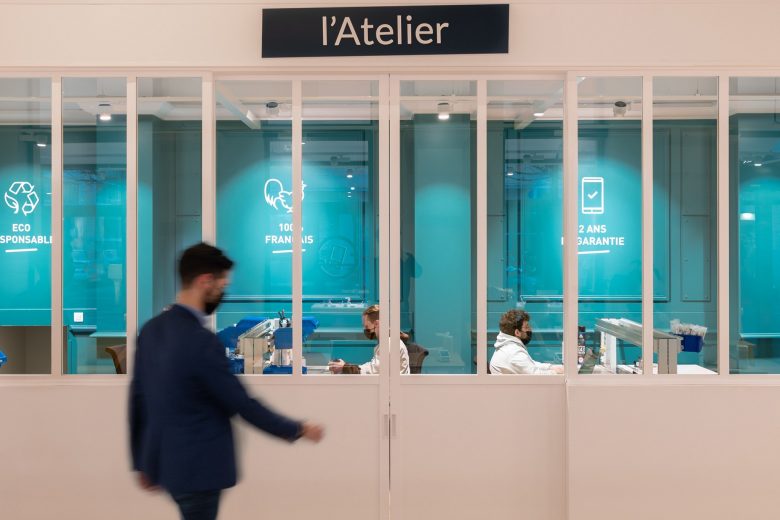
By putting the ateliers so prominently on display, the store celebrates, rather than shirks away from, the second-hand nature of its products and benefits from the positive associations of craftsmanship and maker culture.
Converse Renew Lab
Converse has opened a new concept store in Australia that includes a Renew Lab space where customers are encouraged to upcycle, repair and customise their shoes, rather than buy new ones. Described as the antithesis of a store in the Australian media, rather than paying for brand new shoes, visitors can pay to take part in workshops that show them how to get more out of the shoes they already own.

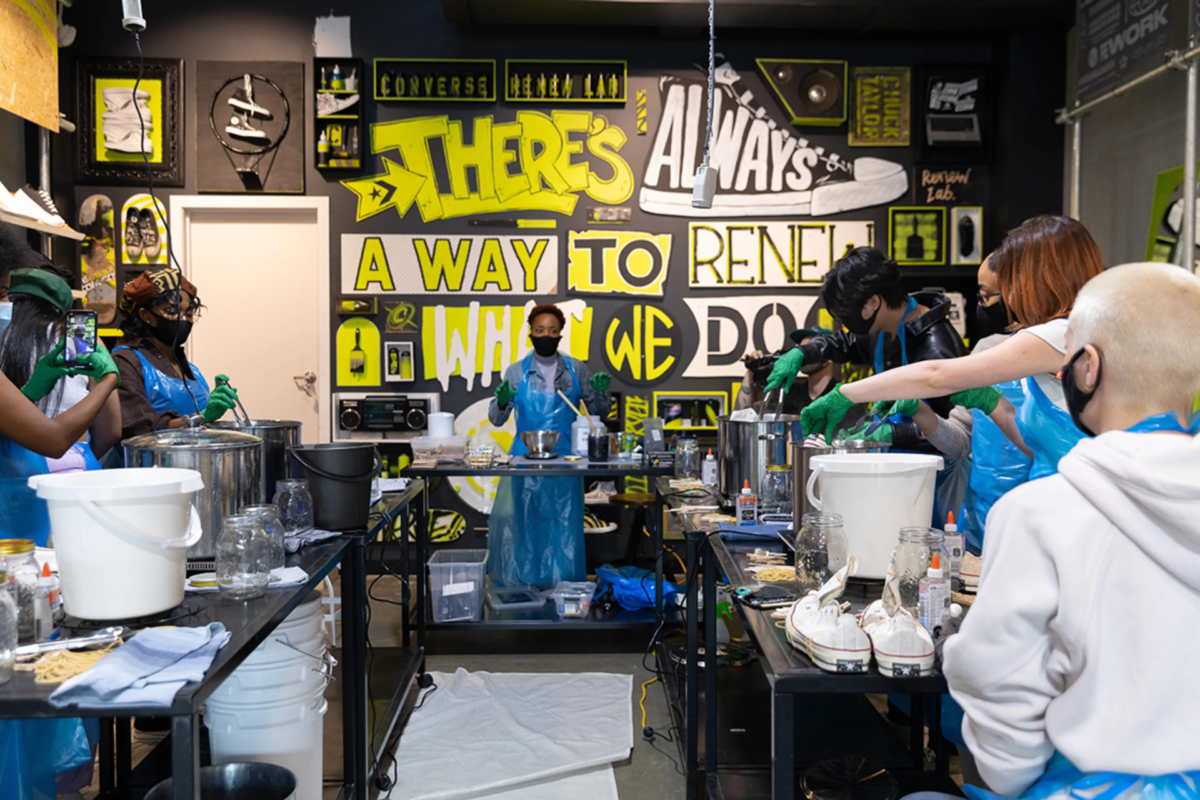
Promoting a circular and more thoughtful approach to consumerism that encourages customers to extend the lifespan of their existing belongings, the Renew Lab teaches visitors how they can breathe new life into their sneakers using a variety of easy-to-learn techniques. These include deep cleaning, dyeing, sewing and embroidery.
If you’re interested in any of the themes discussed in this article, get in touch with rachel@gdruk.com to find out how GDR’s consultancy, inspirational speaking, trends and sector reports can help drive positive change in your business.