The fulfilment revolution is one of the key battlegrounds that will change the face of retail forever. Our stores are already transforming into omnichannel support hubs and over the next decade innovative new concepts and cutting-edge technology will make ecommerce operations more efficient and sustainable, while smarter cities and towns will bring our products closer to where consumers live, work and play.
Through the Futuristic Fulfilment series we’ll explore this game-changing topic with the help of industry leaders Retail Robotics. During the series we’ll explore three key areas of fulfilment innovation: concepts that solve the last mile delivery dilemma, sustainable solutions and revolutionary technologies.
As part of each article GDR CEO Kate Ancketill will discuss the topic with Retail Robotics CEO Łukasz Nowiński and CMO Marek Piotrowski, while GDR’s business futurists will share examples of global brands, retailers and technology partners who are pushing the envelope in these spaces.
Part 1 – Solving the last mile delivery conundrum
Last mile delivery is generally accepted as being the most complicated and costly part of the ecommerce logistics process. Business Insider says that last mile accounts for 53% of the total costs of shipping a product, while OptimoRoute claims the average cost for this last leg of the supply chain is as high as $10.1 per package delivered in the US.
Traditional last mile solutions strip efficiency and profitability from the ecommerce system, making it one of the elements of the retail industry most ripe for disruption.
In this first part of the Future Fulfilment series, we talk to Retail Robotics CEO Łukasz Nowiński and CMO Marek Piotrowski about the challenges of last mile delivery and how their technology helps to solve it. We also cast our net across the globe to highlight a selection of new concepts that rethink the last mile process to reduce costs and add extra efficiency or scalability.
Retail Robotics on last mile challenges and solutions
Fresh Street
Fresh Street is a pick-up only grocery store concept in Chicago that claims its more focused, stripped-back approach makes it “better, faster and more affordable” than its competitors. Customers shopping on the brand’s website, mobile site or app can choose from 4,000 SKUs and collect them via curbside pick-up within 30 minutes.
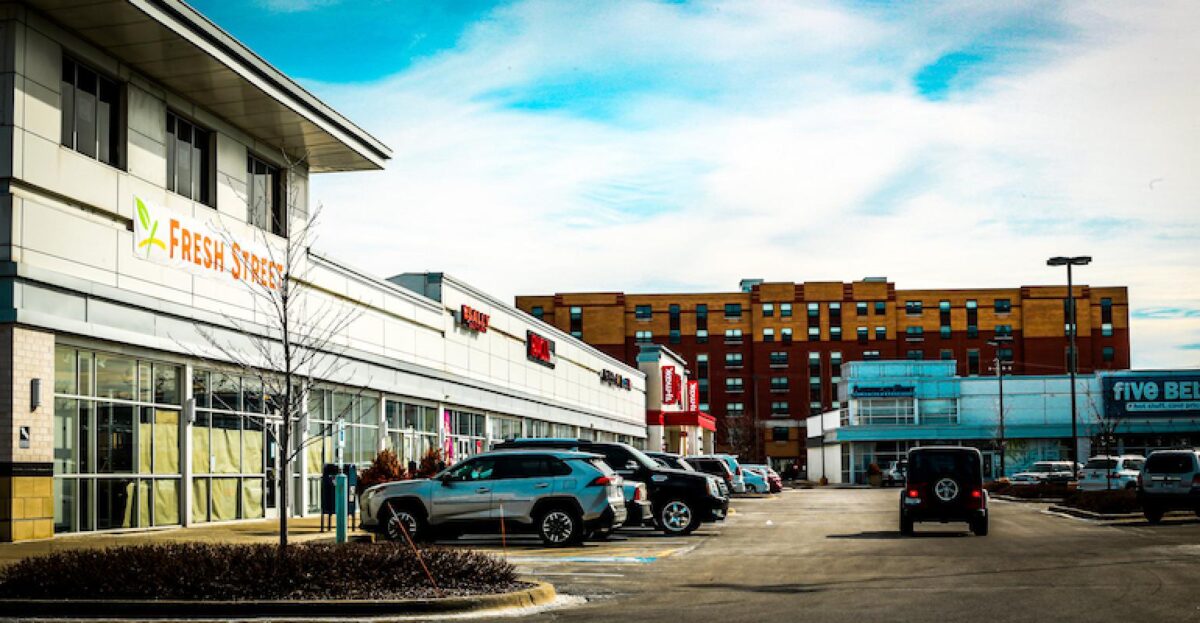
Founder Mike Sayles says that, while consumers like the idea of delivery, they don’t want to pay for it. Thus by removing the delivery option and the physical store experience, Fresh Street says it’s able to focus on delivering high quality products at lower prices.
Opie
Opie is a drive-through grocery store concept based in Mount Pleasant, South Carolina that offers locals a number of different ways to shop for their daily essentials without leaving their cars. Putting a strong emphasis on convenience and efficiency, Opie is a 24-hour dark store of 3,000sqft with a drive-through lane and a number of parking bays outside.
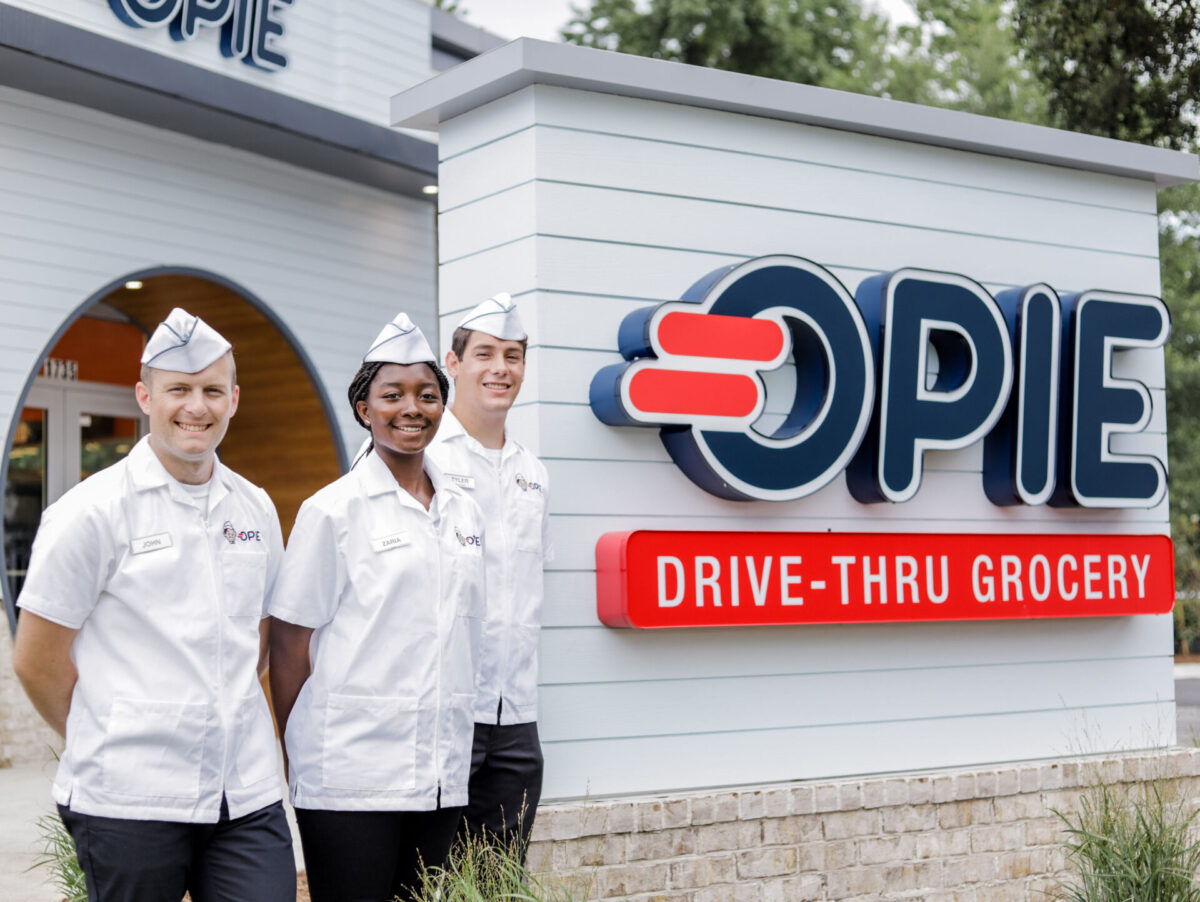
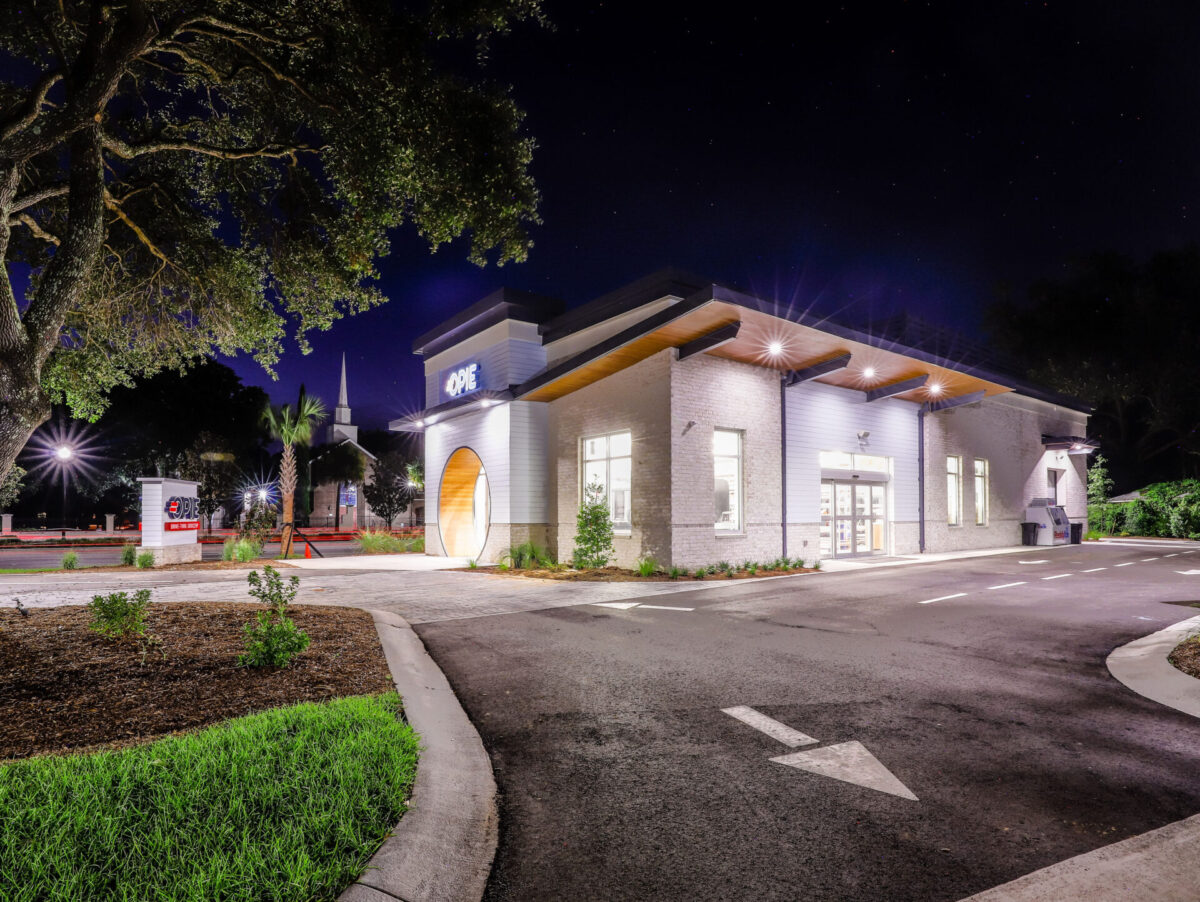
Customers can either place their order online before heading to the store, like a traditional curbside pickup, or they can pull into one of the parking bays to order on the Opie app for delivery to their car within four minutes.
Robomart
On-demand mobile convenience store concept Robomart allows customers to summon a store to their location, before selecting what they want from its shelves. Launched for the public for the first time in West Hollywood, California last summer, the service operates in much the same way as hailing an Uber. Customers open the Robomart app and can hail the store to their location.
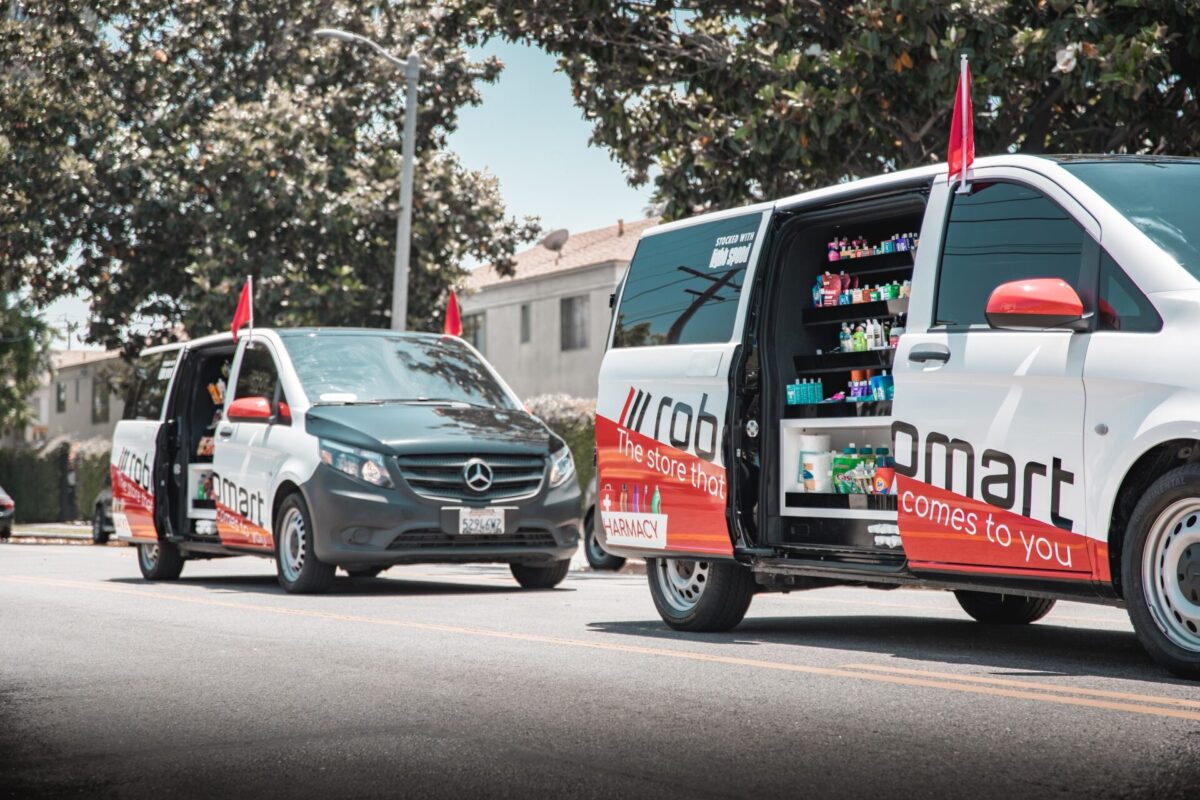

When the mobile store arrives, they must swipe the app to open the door and can take any items their require. All of the shelves in the mobile stores have sensors on them, which are able to detect what has been removed. Once they are finished, customers can simply walk away and their payment card will automatically be charged for whatever they’ve removed.
Muni
Muni is a group-focused Colombian grocery platform that offers next-day delivery at wholesale prices to customers who can pay in cash at their doorstep.
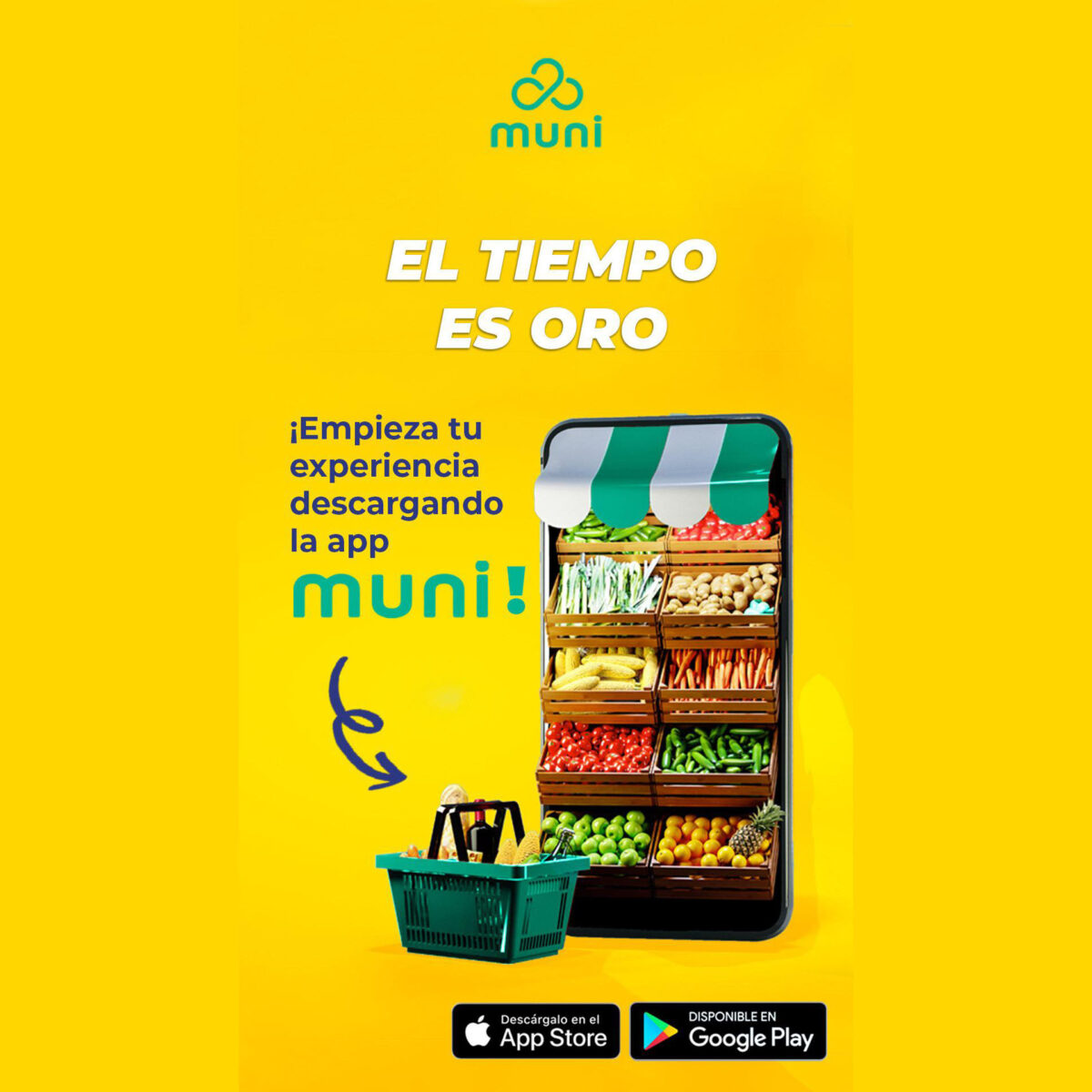

The service is underpinned by a network of 15,000 community leaders, who work in a similar way to Avon or Tupperware representatives of the past. As well as setting up their own local Muni groups and sending orders through to the company, the community leaders receive all orders from Muni’s regional fulfilment centres and are responsible for the last mile delivery.
Drone Express
US supermarket giant Kroger is working with drone experts Drone Express to offer the drone delivery option for those living near its Centerville, Ohio Marketplace store. According to the Kroger Drone Delivery microsite, customers can order the drones to their home address, or to nearby parks or beaches, by sharing their smartphone location via the Kroger app.
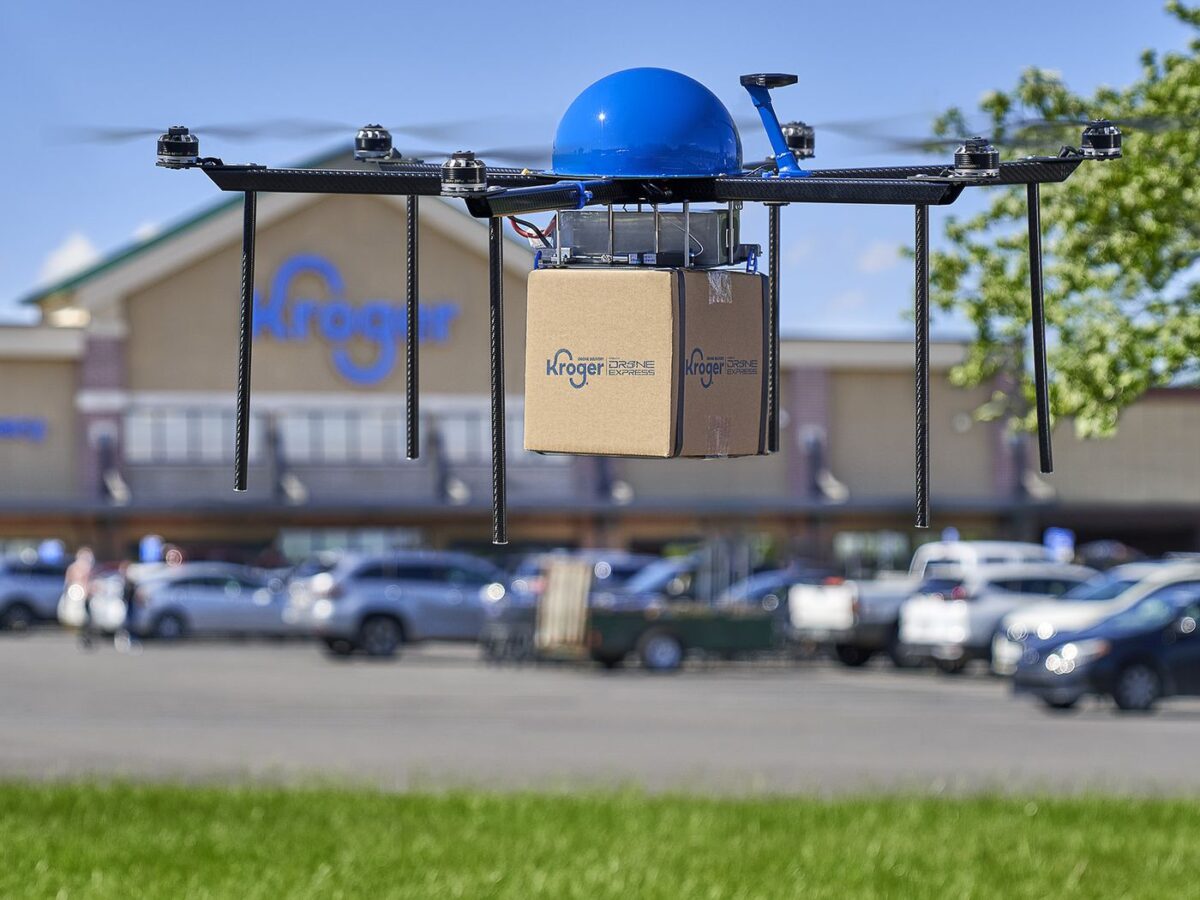
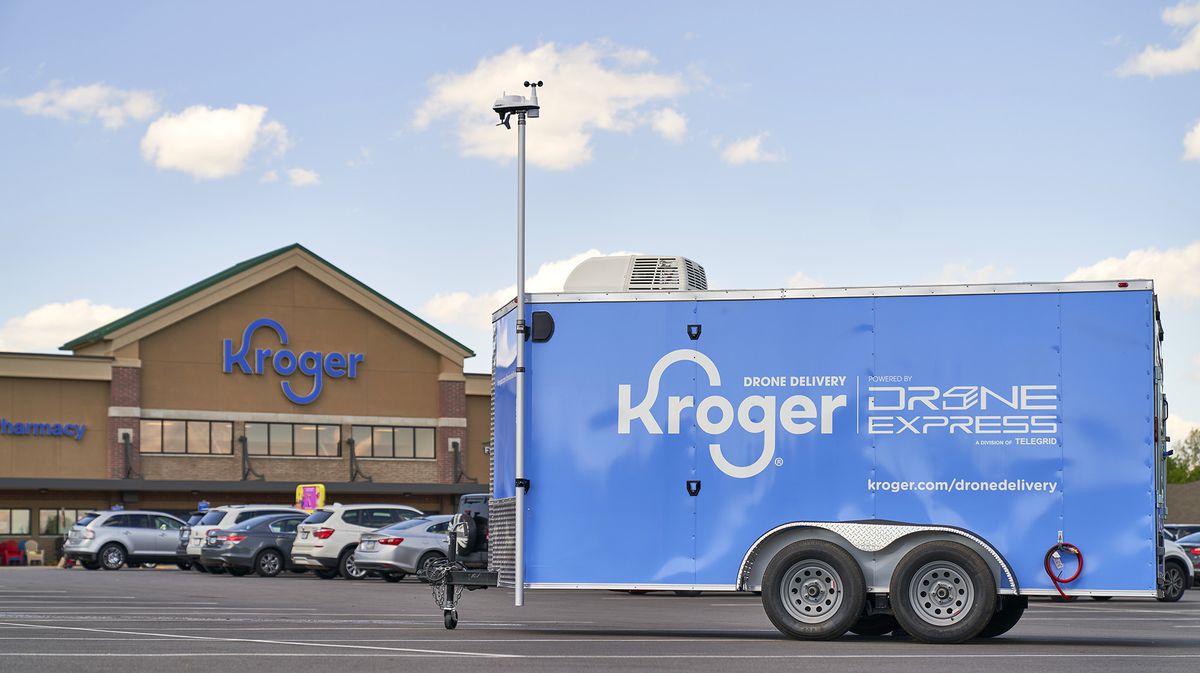
The drones, which will be “flown by certified drone pilots under FAA approval”, can carry up to five pounds worth of products. Interestingly, Kroger has created a number of different product bundles that fit within this weight limit, and which meet key missions for which the express delivery option might be needed. These include a baby care bundle with wipes and formula, another with over-the-counter medications and fluids, and a “S’mores bundle” with graham crackers, marshmallows, and chocolate.
Kroger is by no means the only supermarket giant testing drone delivery. Walmart is working with both DroneUp and Zipline to trial different solutions, while Tesco has also worked with Manna in Ireland.
If you’re interested in any of the themes discussed in this article, get in touch with rachel@gdruk.com to find out how GDR’s consultancy, inspirational speaking, trends and sector reports can help drive positive change in your business.
Sponsored Post