
Social shopping has come a long way in a short space of time, as old platforms have grown and new ones have emerged. Fascinated by the sheer pace of change, GDR contributor Charlie Lloyd outlines the various developments taking place in shoppable content and shines a spotlight on the newest frontier: the monetisation of viral trends.
Since the first shoppable ads dropped on Facebook and Instagram, social media platforms have quickly become a key sales channel for brands. The global social commerce market was estimated to be worth $475bn in 2020 by Grand View Research, who predicted in the same report that by 2028 that figure will have risen inexorably to $3.3tn.

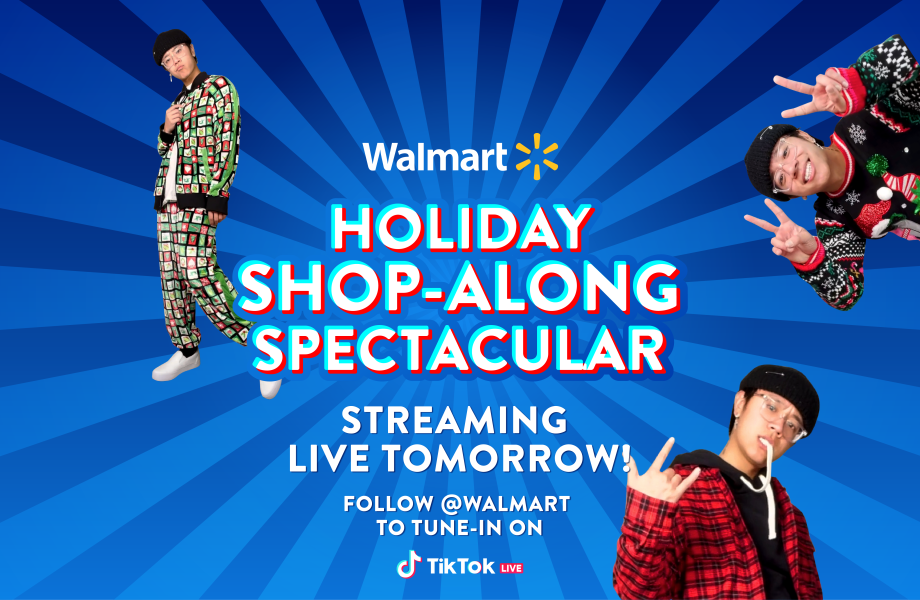
One of the most significant ways that social platforms have moved beyond ads in recent years is by incorporating livestream shopping sessions into their portfolio. Livestream shopping in the West is still playing catch-up with China, which has led the way for years and is where Tmall’s 11.11 Global Shopping Festival brings in tens of billions of dollars in sales through livestreamed content in just a few days. Relatively-speaking, the West is still taking baby steps in this new arena; it has been barely a year since Walmart hosted the first livestream shopping event on TikTok, while Facebook began to quietly test the format as recently as 2020.
Community shopping
While 2022 and beyond seems to promise exciting growth in shoppable livestreaming in the West, social shopping is moving off in several other interesting directions at the same time. One of these is the proliferation of online tools designed to replicate the social aspect of shopping in stores. Again, it was in China that this form of social shopping first took off, most notably through the immensely popular app Pinduoduo. Roughly translated as “buy more together”, big discounts are offered to online shoppers who can convince their friends to buy the same item.

As with livestream shopping, brands in the West are just cottoning on to this type of social commerce. Kickback is an American app heavily inspired by Pinduoduo, similarly rewarding its users for recommending items to their circle of friends. Users are invited to create unique discount codes for products they like and to share them with others, receiving “kickbacks” whenever a friend uses the code to purchase the item. Brands are also building group shopping tools into their own websites. FabFitFun and Charlotte Tilbury have both recently launched Shop With Friends features that let groups of friends view each other’s shopping carts and communicate with one another as they browse online.
And, of course, it would be remiss in an article about social shopping not to mention the one that has really gotten everyone talking: the metaverse. Virtual worlds could well soon be a major channel for the sale of physical products, but it is also giving rise to an entirely new form of consumption. A booming new industry is emerging in which the products themselves are virtual, and their role is to help their customers build and express their digital identities, whether in the form of their avatars in virtual worlds like Fortnite or Decentraland or to be superimposed onto images of themselves on mainstream social media platforms.
Screengrab commerce
But there’s another manifestation of the fast-moving world of social commerce that hasn’t yet garnered as much attention, but that I think is incredibly exciting: product development and commerce that responds to the content in viral videos on social media and other platforms. Both third parties and the content providers themselves have started to capitalise on the reach and buzz that this type of content can offer, particularly among Gen Z and millennial audiences. They are converting this virality into sales by responding quickly to what’s being talked about en masse online.
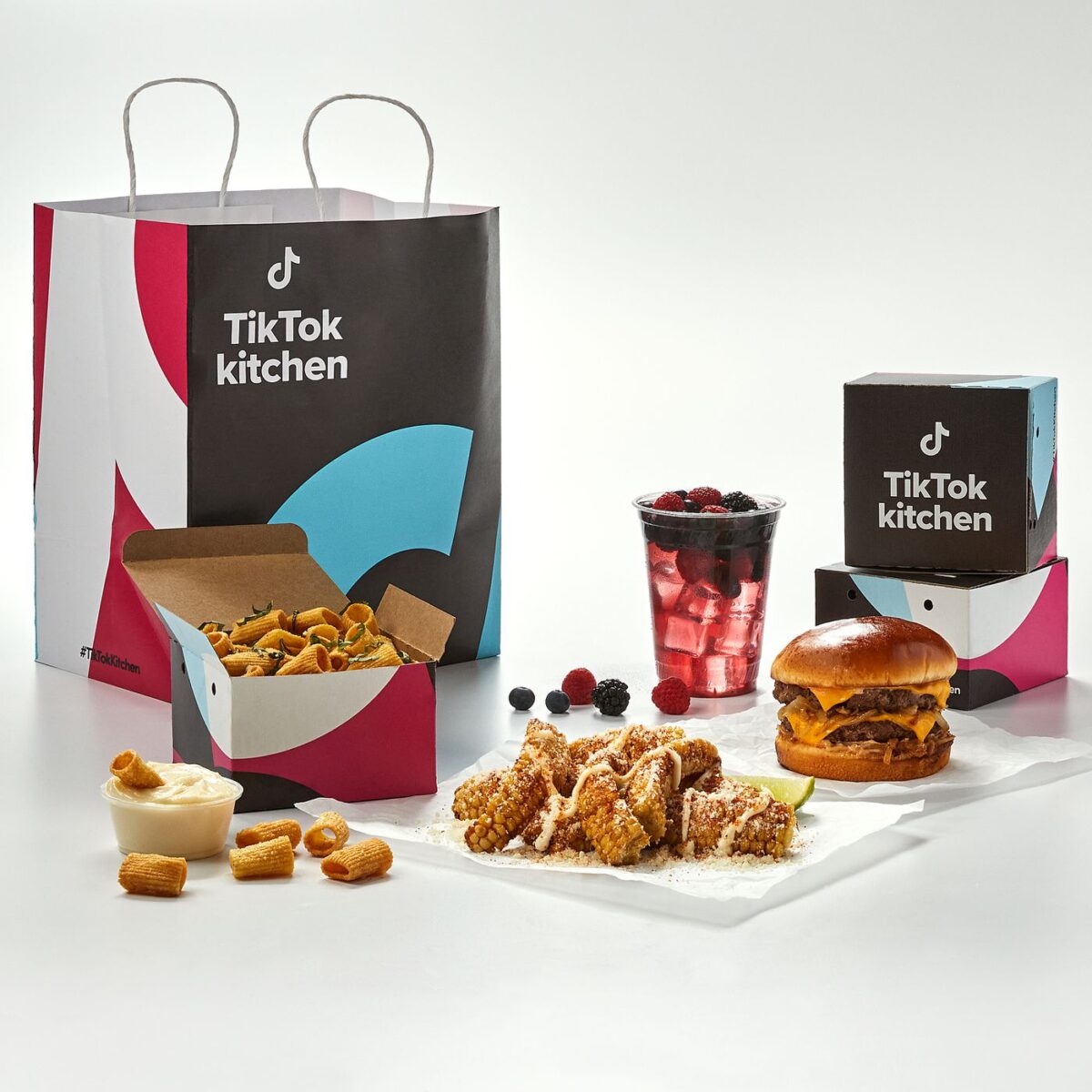
A prime example came recently as TikTok announced the launch of TikTok Kitchens. Three hundred dark kitchens are being set up across the US, serving food and drink that has trended in the social platform’s videos. The platform has partnered with Virtual Dining Concepts and delivery company Grubhub to launch the service, which will update its menu every quarter with the most-hyped dishes.
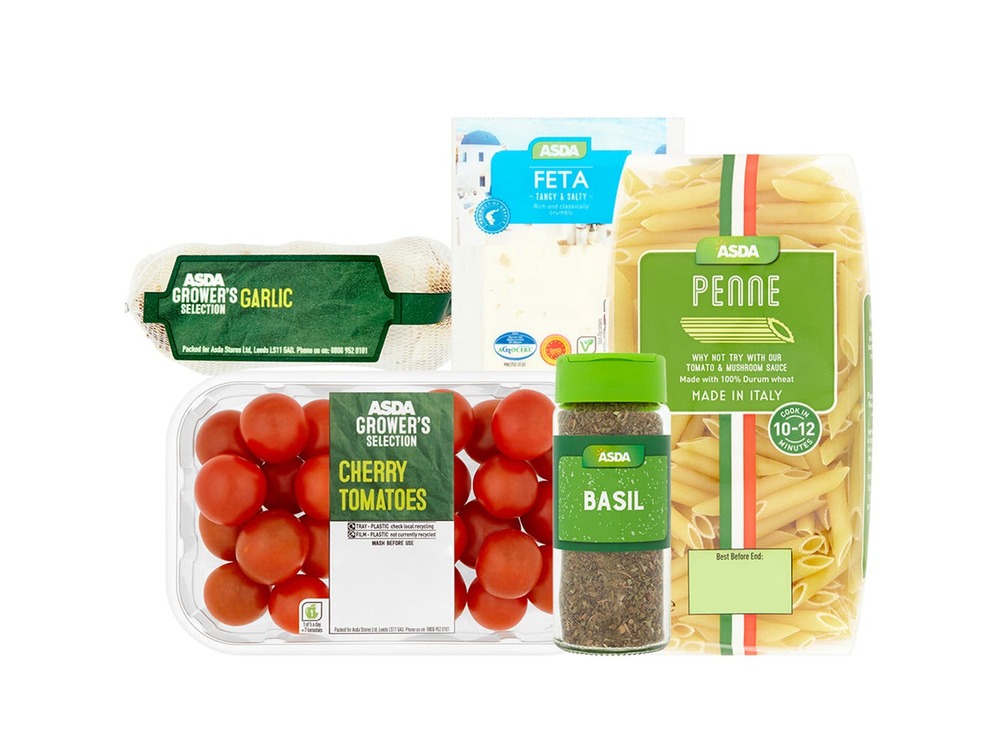
TikTok Kitchens is the most substantial example to date of a company turning food and drink trending on the platform into sales, but TikTok and others have been experimenting with the idea for some time. TikTok initially partnered with Grubhub rival Postmates to offer a similar but smaller-scale service called TikTok Treats in December 2020, while UK supermarket chain Asda reacted in agile fashion to the trending recipe for Baked Feta Pasta early last year by creating product bundles containing all the ingredients necessary to make the dish.
The same phenomenon is happening across Netflix and other streaming services and TV stations. At GDR we’ve also recently covered Seek, an ecommerce platform that lets users search by show, movie or even actor to shop fashion and accessories that have been worn by characters in hit shows such as Succession, Sex Education and Squid Game and the latest movies. This follows Netflix’s own launch of an ecommerce channel selling merchandise from its hit shows.
Trending to vending
As we’ve seen, this phenomenon of products moving quickly from ‘trending to vending’ is happening across both social platforms and streaming services, albeit with subtle but important distinctions. What’s happening on TikTok is, for the most part, a bottom-up process whereby organically trending products from user-generated videos are quickly identified and made available. On Seek and Netflix.shop, the products are chosen initially by the content creators and platforms themselves, and this, effectively, has the potential to offer product placement on steroids to brands. The most ‘on the nose’ example of this came last summer when UK TV station ITV trialled an AI tool which enabled viewers of hit reality show Love Island to purchase items as they appeared on screen, transforming TV content into a shoppable livestream event.


Whether it’s on TikTok, Netflix or traditional TV channels, the role of original content in shaping the culture and generating demand for new products is huge. Rather than simply relying on traditional advertising, we’re now seeing ever-more sophisticated tools being employed to monetise this content directly. As the fast-paced world of social shopping moves off in so many exciting directions at the same time, this is certainly another trend that brands should be following very closely.