
As countries around the world grapple with a cost-of-living crisis, GDR managing editor John O’Sullivan assesses how brands, retailers and start-ups are finding new ways to offer consumers greater value and access to essentials.
We’re in the midst of an unprecedented cost-of-living crisis. Last week in the UK the average household energy bill rose by 50% overnight due to the recent surge in wholesale gas prices. At the same time, a mixture of economic, political and supply chain issues mean that inflation is at a three-decade high, while food, petrol and diesel prices are at historic levels.
But this isn’t just a UK problem. The same issues are being grappled with in countries across Asia, Europe, Africa and the Americas, with US inflation currently at a 40-year high.

For some consumers this crisis will mean a cut in their discretionary spending and a need to tighten their belts, but for others the ramifications are much more serious as they’ll have to choose which essential products and services to prioritise.
Any shift in consumer spending power will always have a knock-on effect on the retail industry and we’re already seeing the manifestation of this. From disruptive new grocery propositions in Latin America and the inexorable growth of value retailers, to new saving-focused tools and solutions that add dignity to the process of accessing essentials; we have already entered a new age of inflation-busting retail.
Retail as the fourth emergency service
During the darkest days of the Covid-19 pandemic many retailers stepped up to become the “fourth emergency service” for the communities they serve. Convenience stores, supermarkets and pharmacies around the world went above and beyond to protect their most vulnerable customers, while many global brands used their production lines for the greater good.
These experiences illustrated that brands and retailers can play a key role in alleviating society’s pain points and we’ve already seen several stepping forward during this new crisis.
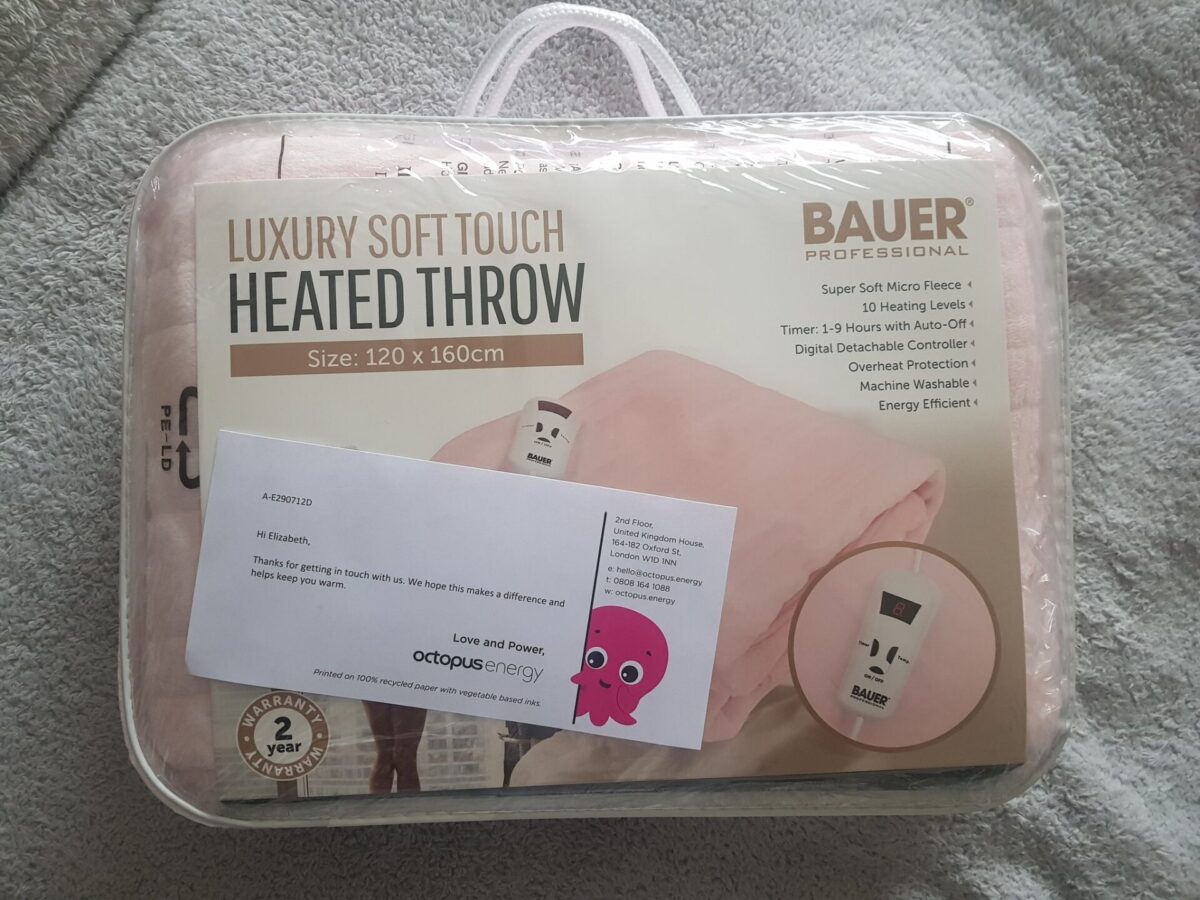
With some of the poorest in society faced with the dilemma of whether to “heat or eat”, renewable energy supplier Octopus has made 5,000 electric blankets available to the public for free. The company says the blankets provide a low-cost solution for staying warm (said to be 29p per hour) and it hopes they will allow the hand-picked recipients to save their money for food.
UK supermarket Asda has also made a commitment to put the support of low-income families ahead of profit. After a plea by food poverty campaigner Jack Monroe, it has rolled back the prices of its Smartprice value range to 2021 levels, improving access to low-cost food staples. It has also vowed to stock the range online and in all its 581 physical stores.
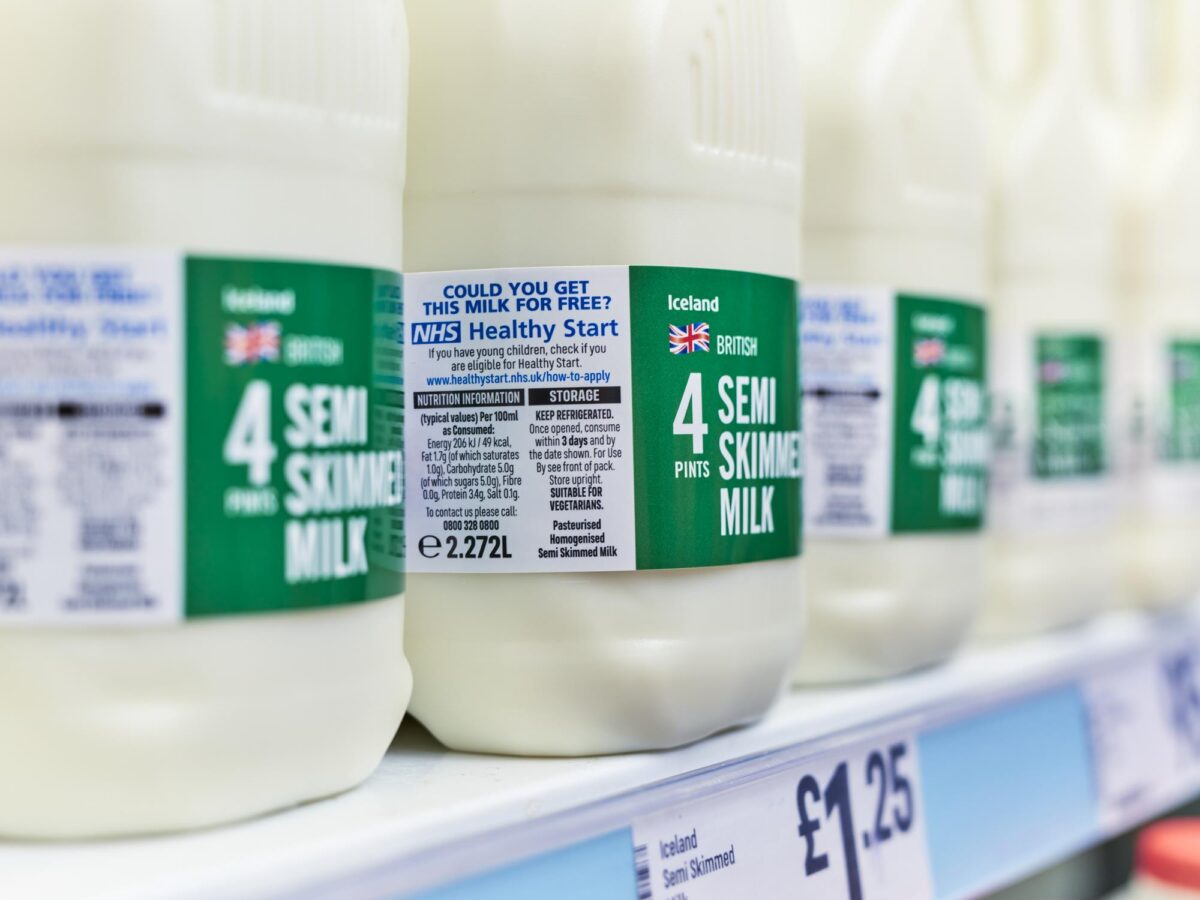
At the same time, fellow-value supermarket Iceland is using its milk bottles to promote a free national scheme for the food insecure. NHS Healthy Start provides low-income families access to free milk, fruit and vegetables, pulses, baby formula and vitamins. Information about how to join the scheme is being displayed on 81 million Iceland milk bottles aiming to attract eligible families who are unaware of the service.
Dignifying access to essentials
As the cost-of-living crisis threatens to push more people below the poverty line we’re also starting to see the emergence of charitable schemes that make accessing free healthy food as seamless as visiting the supermarket, or ordering food from a local restaurant.
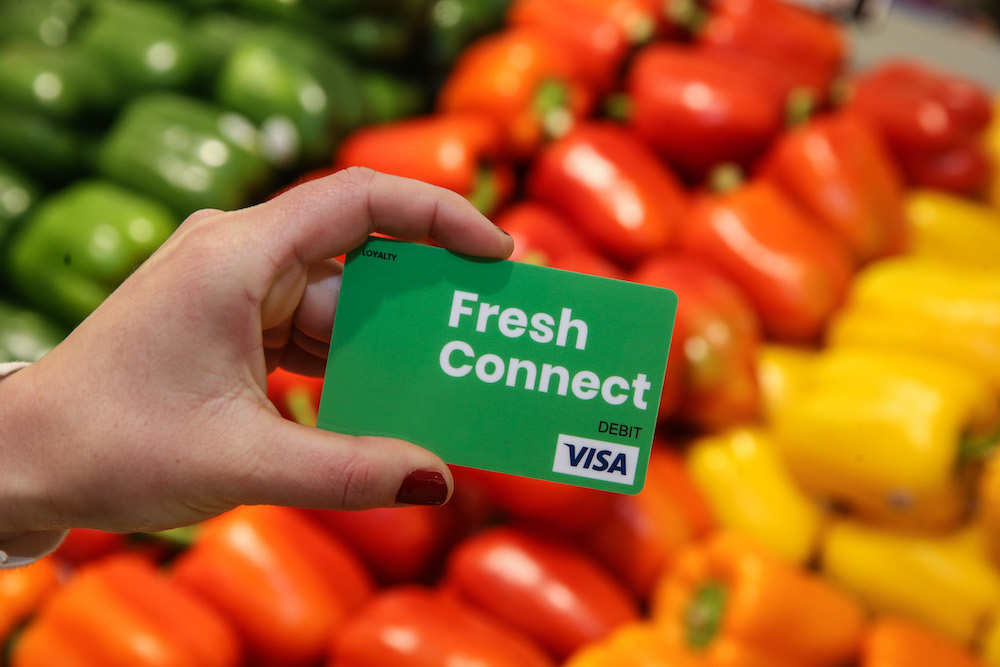
New England-based grocer Stop & Shop is the first supermarket to accept an innovative new credit card that gives the food insecure free access to fresh produce. The Fresh Connect pre-paid credit card has been launched by the About Fresh non-profit group, which aims to “provide healthy food to communities in need.” The card can be used to pay for groceries at any Stop & Shop location, but what differentiates it from a traditional payment card is that funding from About Fresh pays for all the fresh fruit and vegetables, while the consumer picks up the tab for everything else.
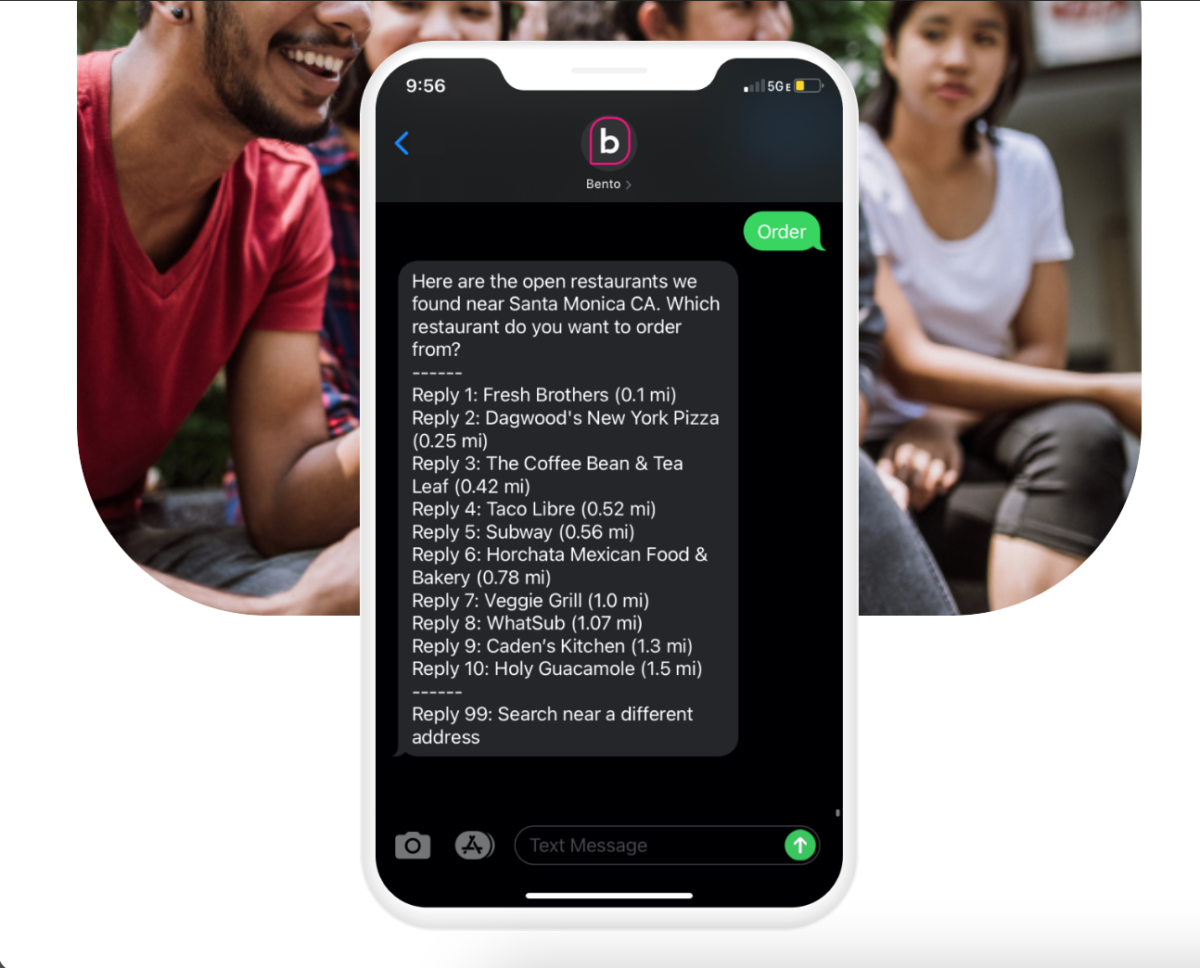
The Fresh Connect card has been referred to as a “produce as a subscription” service and echoes the recently launched Bento scheme, which offers those in need access to nutritious restaurant-made meals. Once registered for the scheme, a simple text message exchange lets users find out what restaurant meals are available locally, which have already been paid for by Bento’s charity partners. They can then place an order and collect from the partner restaurant in the same way as any other takeaway customer, helping to remove some of the perceived stigma associated with accepting help.
Cutting out the middleman
In Latin America, where more than 50% of consumers don’t have access to ecommerce, a generation of socially-conscious entrepreneurs are designing new low-cost propositions that connect consumers with wholesalers.
Sao Paulo-based Mara is a Brazilian start-up catering to lower-income consumers by delivering groceries at wholesale prices to accessible locations near their homes. Customers without a smartphone or credit card can order the reduced-price products online before paying in cash when picking them up from a network of neighbourhood bakeries, butchers, and other retail locations.


Muni is a similar concept started in Colombia that offers next-day delivery of groceries 40% cheaper than supermarket prices to customers who can pay in cash at their doorsteps.
The service is underpinned by Muni’s relationship with wholesalers and by a network of 15,000 community leaders, who operate like Avon or Tupperware representatives of the past. The community leaders collect orders from local customers via WhatsApp and take care of the last mile delivery, having received the items from Muni’s network of regional fulfilment centres.
By using the “cutting out the middleman” mentality of early DTC brands and taking inspiration from recent supply chain innovations, as well as tried and tested models of the past, these companies are finding ways to deliver greater value to their customers at a time when they need it most.
Inflation-busting tools
Smart fintech solutions and money-saving tools are also taking on heightened importance as consumers’ disposable incomes are stretched.
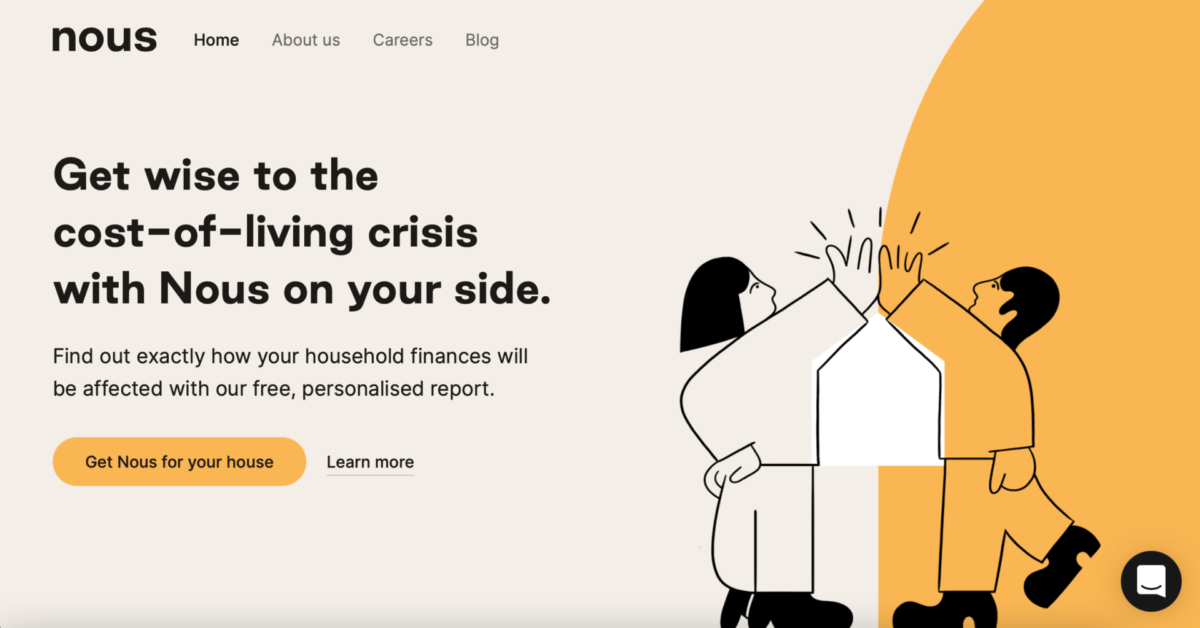
Nous is a free financial reporting app that has just launched in the UK giving users advice about how the cost-of-living crisis will affect them during the next 12 months. It uses Open Banking technology to automatically identify each users’ utility providers and calculates what they should expect to spend during the next year, based on price rises and inflation. It also suggests the measures they can take to offset the impact.
Long-term Nous says it plans to use the first party household data it collects alongside third party vendor data to create what has been referred to as a “household savings as a subscription service”, which will effectively automate the process of moving between the best value utility providers.
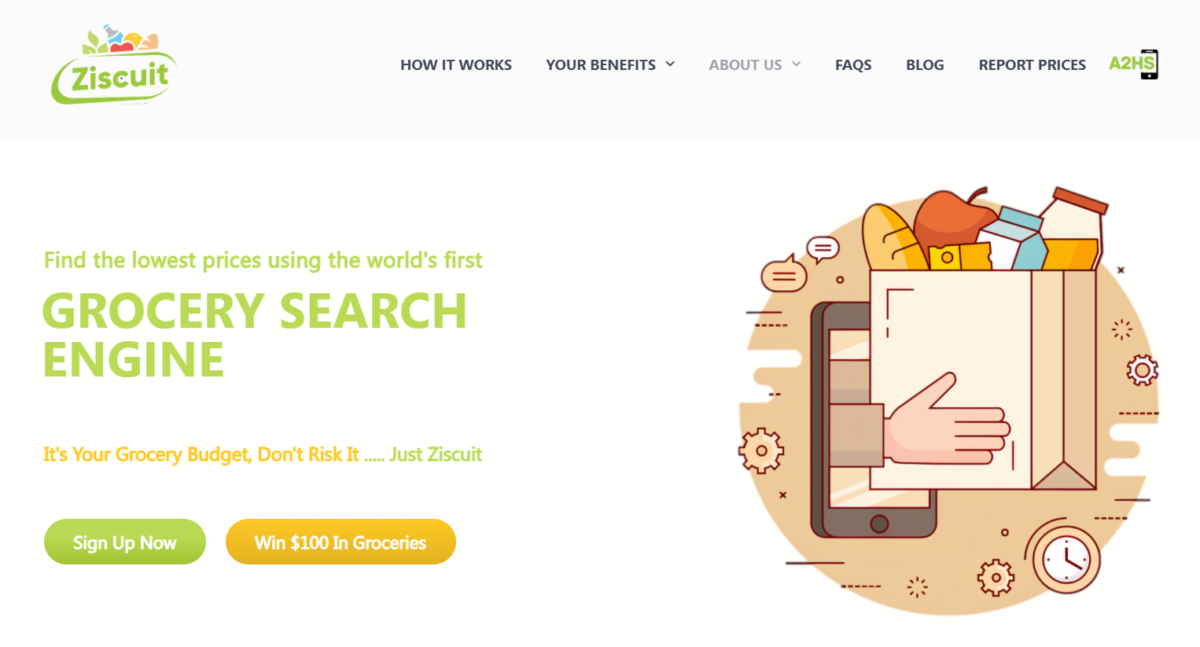
Ziscuit, on the other hand, is a ‘grocery search engine’ that identifies supermarkets close to each user selling the items on their shopping list at the lowest price. US consumers just need to input the items they want to buy, the distance they’re willing to travel, and the number of stops they’re happy to make and Ziscuit will then calculate the cheapest trip, both in terms of basket price and the cost of fuel to get there and back.
Both Nous and Ziscuit say they always plan to offer free value-based services to customers, but Ziscuit has added that it will offer more subscription options in the future for those “who want exciting new ways to save”.
Expanded value propositions
While tools like Nous and Ziscuit and propositions like Mara and Muni were designed primarily with low-income consumers in mind, they are also likely to appeal to a growing cohort of more affluent consumers looking to get more for their money. Indeed, we’re starting to see both value and middle-market retailers responding to this shift with new concepts that offer value to higher-income consumers.
Last year prolific US dollar store Dollar General trialled two pOpshelf locations in Tennessee that offer home decor, seasonal products and health & beauty items priced below $5, said to be targeting professionals earning up to $125,000 per year. Having recently announced plans to open 1,000 more pOpshelf locations by the end of 2025, Dollar General clearly feels that value has become a bigger priority for a growing number of shoppers.

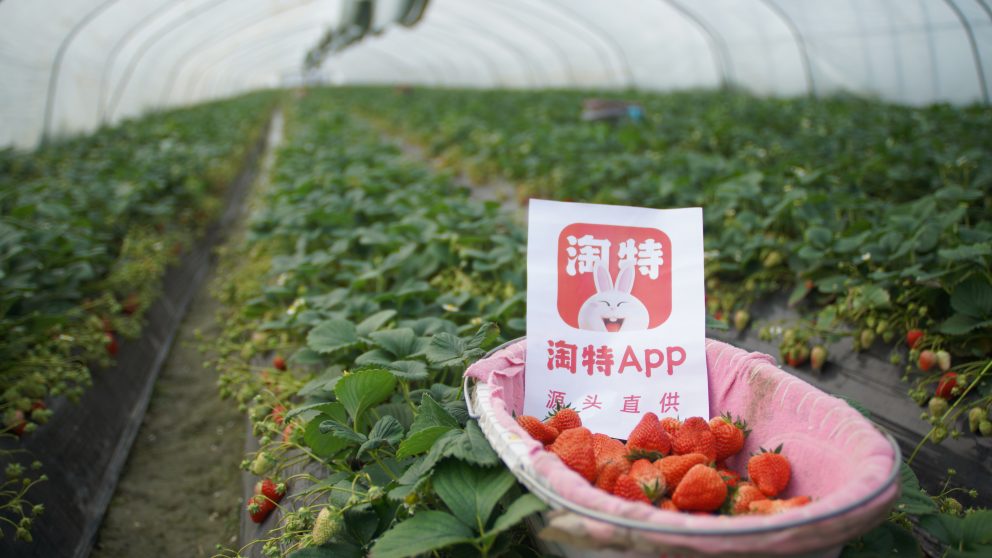
And it isn’t just Dollar General expanding their value propositions. In China last month Alibaba announced two extensions to its bargain-hunting Taobao Deals platform. The 10-Yuan Store sells daily necessities for below RMB10 ($1.57), essentially translating the dollar store or pound shop concept online. The other new concept, the 100 Store, is in line with Dollar General’s pOpshelf move and promises “higher-value products at more affordable prices.”
Elsewhere, more traditional retail brands than ever are moving into off-price outlet retail, with H&M the latest big name in the UK to open their first outlet store. While this is driven in a large part by the excess stock that many retailers have after the pandemic, outlet sales are said to be 20% up on pre-Covid levels, adding further fuel to the suggestion that value is becoming a bigger consideration for shoppers.
As global consumers continue to feel the pinch of the cost-of-living crisis, brands and retailers need to be thinking about how their products, services, locations and infrastructure can make a difference. Those who lead on compassion and community now are likely to drive real customer loyalty in the long-term.