GDR innovation researcher Babette-Scarlett Schossau explores the trend for “better” meat and dairy products that offer environmentally and ethically conscious consumers an alternative to abstinence.
A new trend for “better” meat and dairy products is targeting consumers who want to reduce the impact of their consumption on the planet and its inhabitants, but who aren’t willing to give up meat or dairy entirely. They are open to compromise to a certain extent when it comes to flavour and even quality, but are not prepared to do without. In this article I’ll explore the development of the “better” meat and dairy trend, and highlight some new products that are satisfying this emerging consumer need.
What is “better” meat and dairy?
The Eating Better Alliance launched a new “Sourcing Better” guide in 2021 to help retail and foodservice businesses to put “better” meat and dairy on restaurant menus and supermarket shelves. The guide uses the target indicators of “basic,” “better” and “best” to outline standards that support a system that favours the lowest impact on the environment and the highest animal welfare standards. One of the primary drivers of the guide is to encourage carnivores to indulge in better meat, less often, offsetting the additional price of the quality product by suggesting consumers indulge less.
A spokesperson for the Eating Better Alliance said: “BETTER means organic, certified sustainable, free-range and pasture-fed. […] Institutions sometimes argue that higher quality meat and dairy is too expensive, but if we buy less, then we can afford better.” The long-term vision is to stimulate a 50% reduction in meat and dairy consumption in the UK by 2030.
Could “better” meat may be better than no meat?
Plant-based meat and dairy consumption is certainly on the rise, with U.S. retail plant-based food sales having grown three times faster than total food sales in 2021 to $7.4 billion and 51% of regular meat-eaters planning to either moderate or eliminate meat from their diet, according to research conducted by FMCG Gurus. However, the majority of consumers also feel that plant-based products are “bland and boring” and 74% said that taste was the most important factor influencing plant dairy product choice.
This suggests that until plant-based products up their flavour game a plant-heavy balanced diet, may be more appealing and beneficial to traditional meat eaters. Indeed, an article in the journal Nutrients claims that: “Balanced messages about not needing to be entirely meat free may be necessary from both a sustainability and nutritional point of view.”
Consumers are making choices that align with this view by adopting a “flexitarian” eating approach. In a 2021 study conducted for the Food Marketing Institute (FMI) by The Hartman Group, 29% of shoppers said they are moderating their meat intake. A study by Dr. Chris Bryant and his team also found that 90% of consumers who eat plant-based meat and dairy products followed a flexitarian diet.
Brands react to the “better” meat and dairy trend
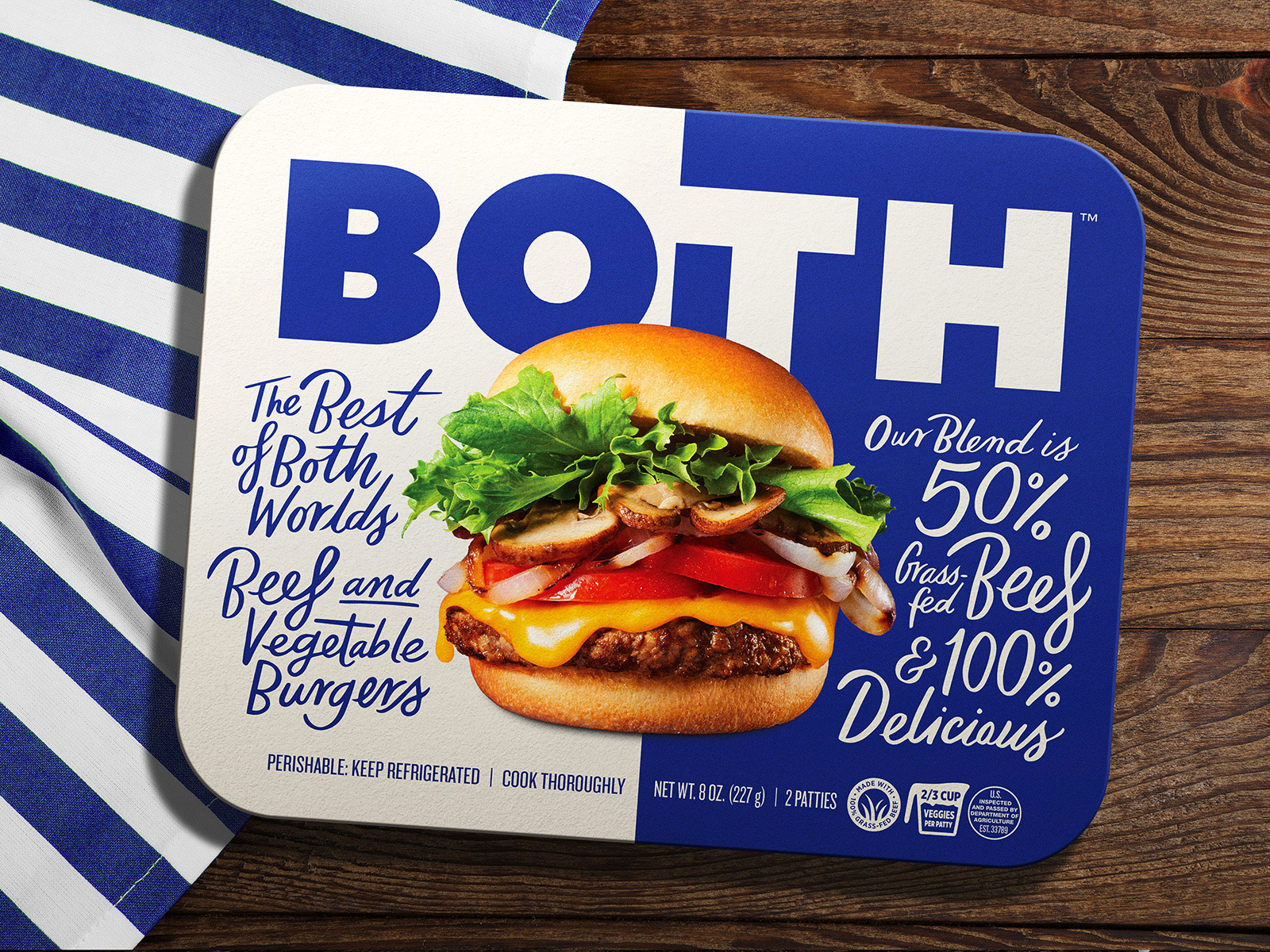
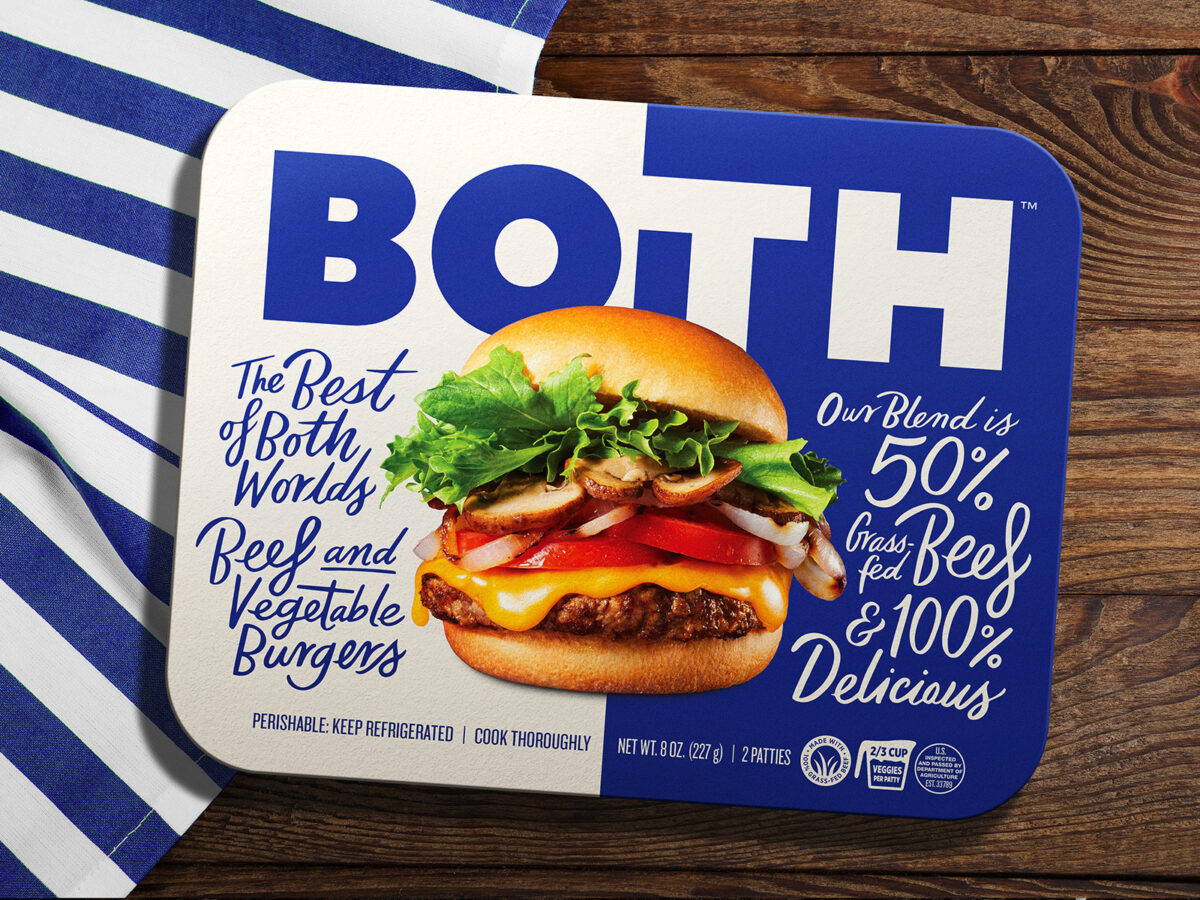
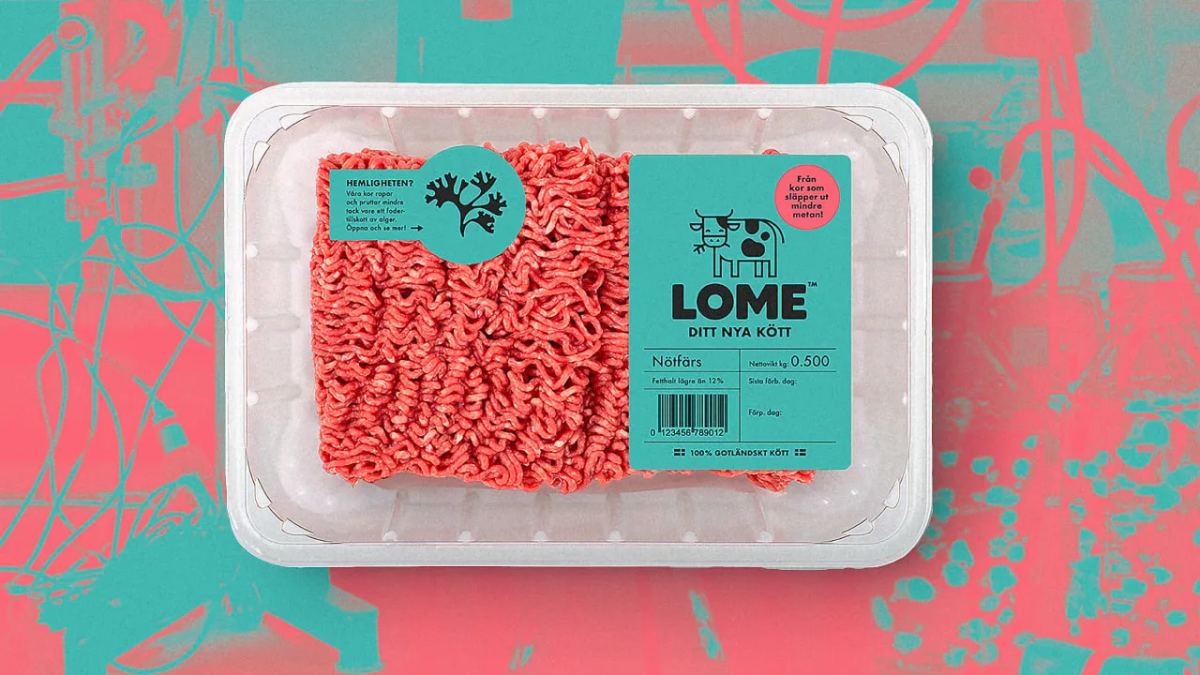
Brands are capitalising by creating “better”products that address some of the sustainable and ethical issues consumers have with traditional meat and dairy products. For example, the BOTH burger is, according to the brand behind it (5050 Foods), a “50% grass-fed beef, 50% all-natural veggie burger that is BOTH healthy and delicious, that is BOTH good for your heart and good for the planet. Why settle when you can have BOTH?” Swedish supermarket brand Coop is also offering environmentally friendly low-methane beef products that come from cows that have been fed a special seaweed diet. According to Coop, this leads to less burping and farting during the cows’ lifetime and thus helps to reduce levels of methane emissions released into the atmosphere.
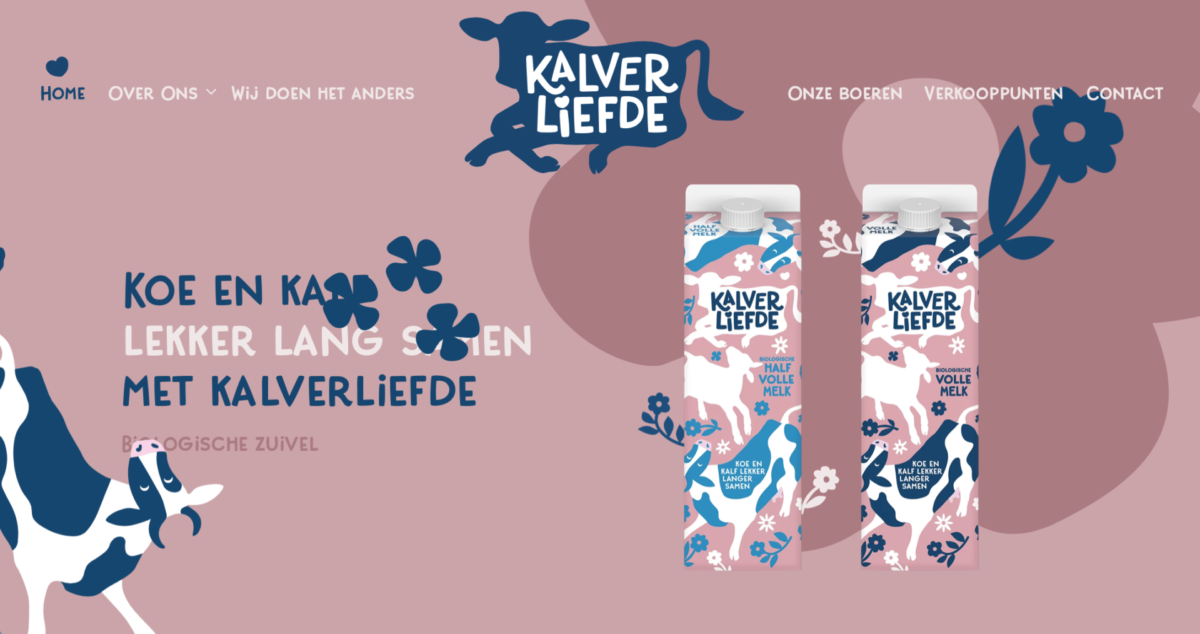
Elsewhere, Kalverliefde is an organic, ethical dairy brand in the Netherlands that only sells milk from farms that allow calves to stay with their mothers (instead of separating them hours, or even minutes, after birth). It is a story of love that tells (and sells) itself. In addition, many brands offer ethical and sustainable meat delivery boxes, such as field & flower with its curated free-range BBQ Boxes, Gazegill Organics with The Organic Steak Box, and Cotswold Beef with its Taster Beef Box that includes beef from a slow-growing native breed of cattle that is beneficial for the environment and biodiversity.
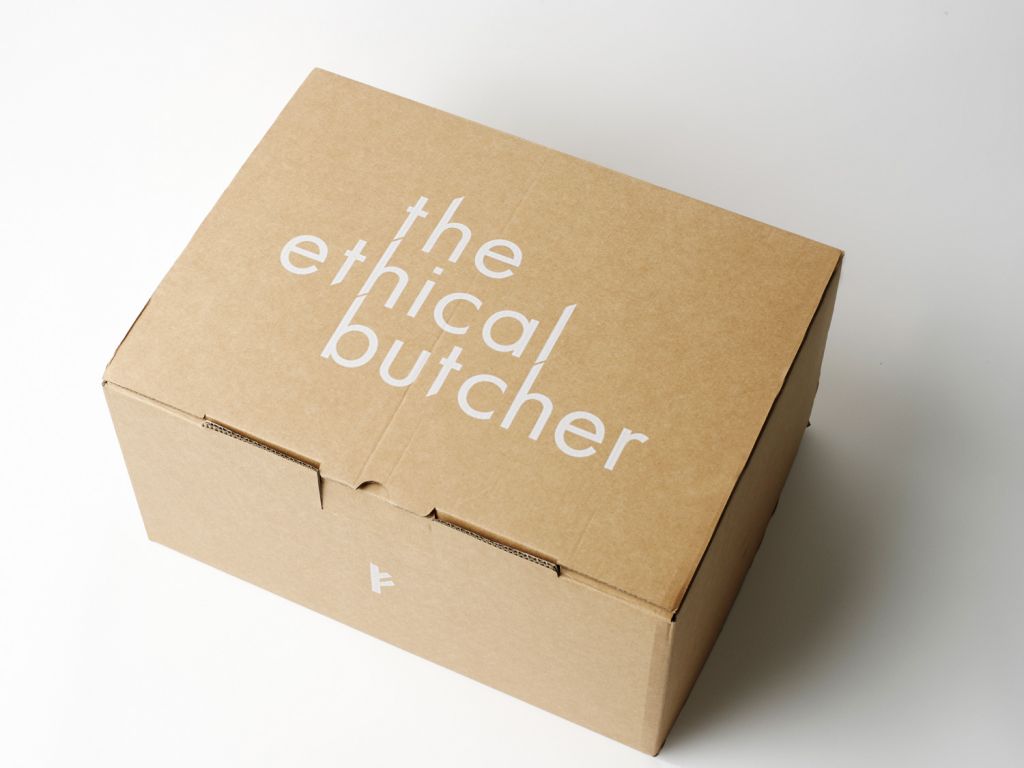
Primal Meats also offers a meat box subscription with organically reared, 100% grass-fed beef, lamb, mutton and hogget. The brand emphasises that the “regular meat box is the best way you can help support our business. Subscription boxes help us balance all the cuts from the carcass so allows us to buy whole animals from great small scale farms. It’s great for you too, it makes you more adventurous as a cook, ensures you always have a freezer full of nutritious meat and ensures you get the full range of amino acids for optimal health.” The Ethical Butcher also provides its customers with recipes for popular and unusual cuts of meat and interviews its farmers to educate their customers about their processes and help them reconnect with their food and the land it’s grown on.
As a new generation of meat eaters emerges who are more conscious of the environmental and ethical implications of their consumption, but who are not yet ready to abstain entirely, these “better” options offer the best of both worlds.
If you’re interested in any of the themes discussed in this article, get in touch with rachel@gdruk.com to find out how GDR’s consultancy, inspirational speaking, trends and sector reports can help drive positive change in your business.