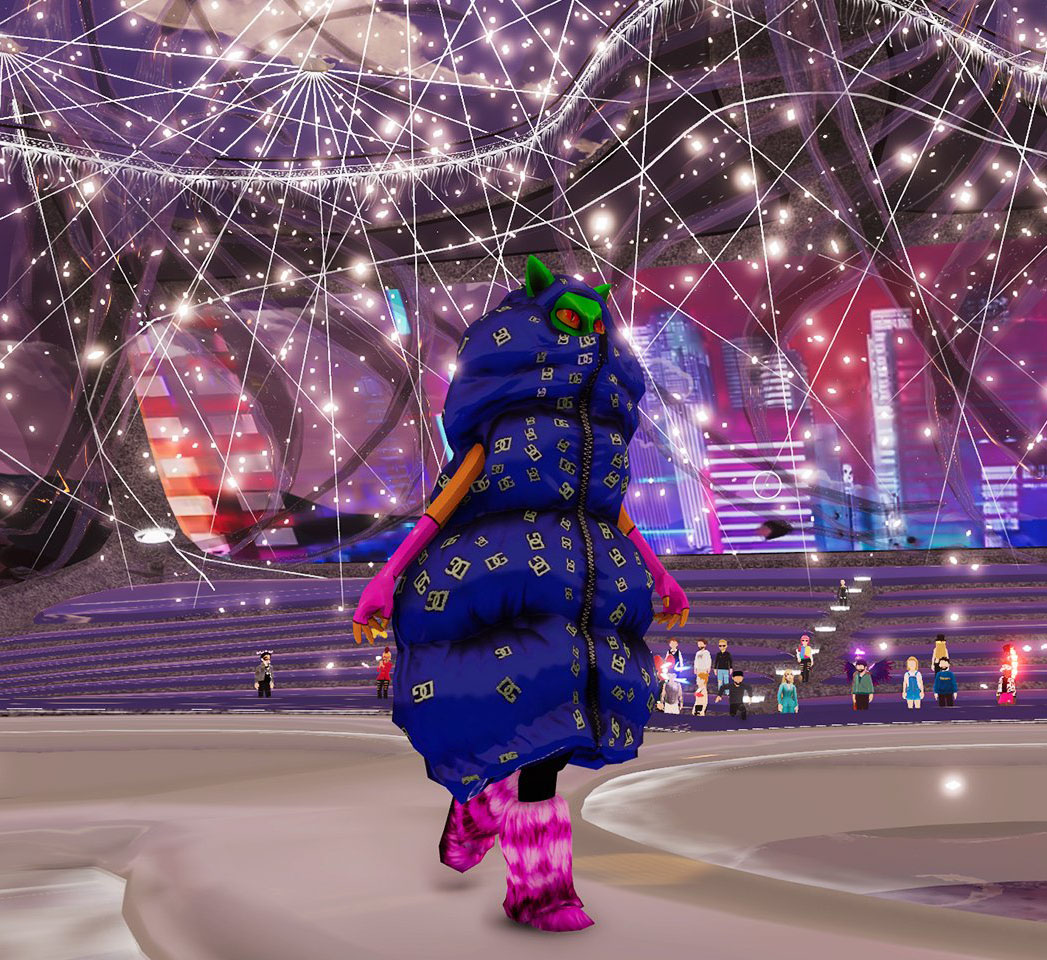
Following the meteoric rise of the metaverse as a luxury brand building channel and digital assets marketplace during the last year, the first Metaverse Fashion Week (MVFW) took place in Decentraland last week (23-27 March 2022). Having previously visited the inaugural entertainment-focused Metaverse Festival late last year, John O’Sullivan kept close tabs on MVFW to pick out the key takeaways from the event.
MVFW event overview
MVFW was sold as four days of runway shows, after-parties, shopping and panel talks, effectively translating all of the key elements of physical fashion weeks into the metaverse.
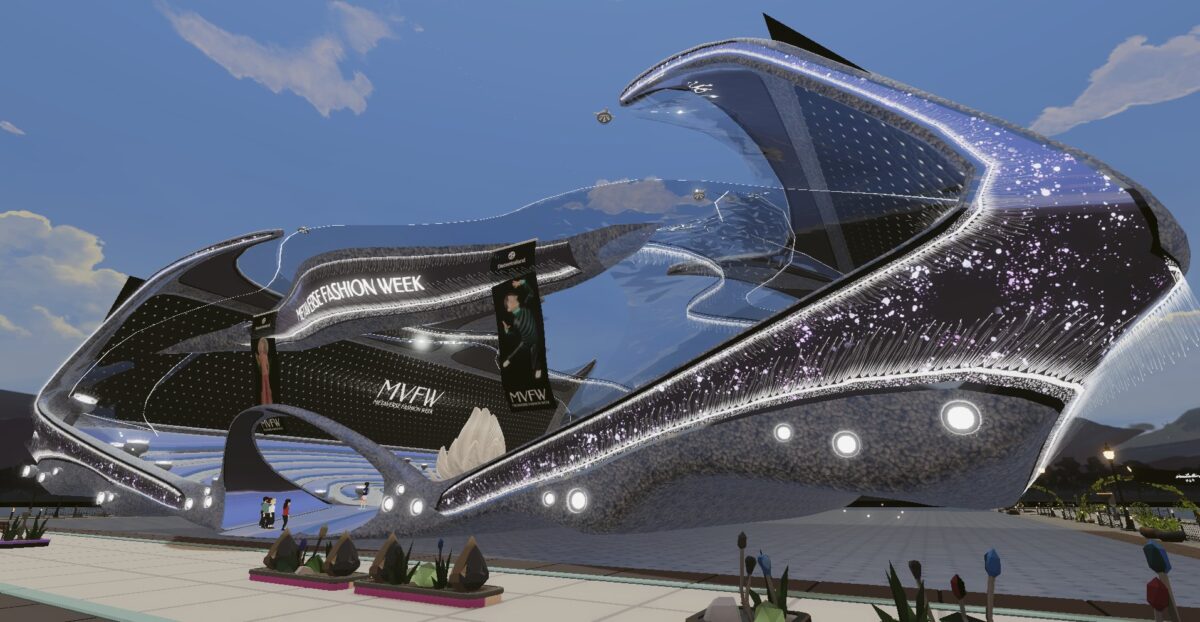
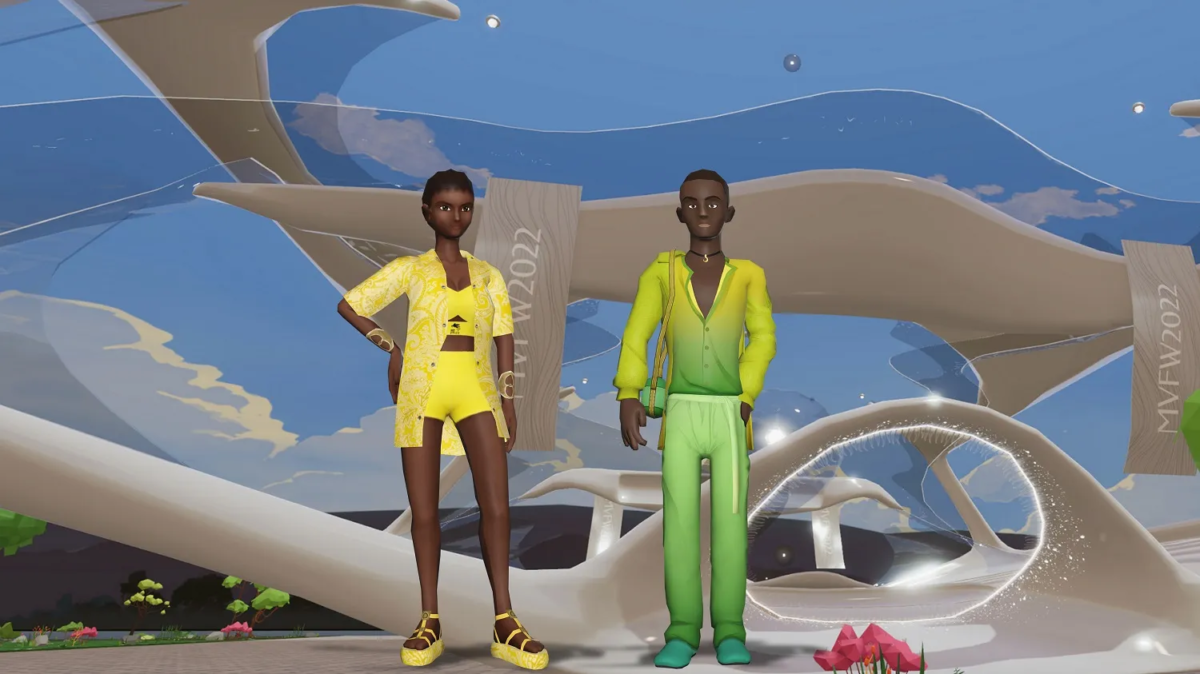
According to Decentraland, the event had “60-plus participating brands, artists, and designers”, which included a solid, if not exhaustive, list of catwalk regulars and known digital innovators. Alexander McQueen, Dolce & Gabbana and DKNY represented the fashion elite, while other brands and retailers including Selfridges, Estée Lauder, Tommy Hilfiger and Mango also took part in the festival.
Using the pre-existing functionality of Decentraland, visitors’ avatars could attend fashion events and pop-ups hosted by brands and artists, engage with digital content and assets, buy NFTs linked to digital, and in some cases physical, products, and virtually socialise with other users.
The event has been described in fashion circles as the largest and most publicised digital fashion event thus far, and in terms of hype, attendance, and participating brand satisfaction, it is being hailed as a success. According to Decentraland, there were 108,000 unique attendees, which is just over 20% of Decentraland’s average monthly user base and is said to be more than double the numbers seen at other multi-day events held in the metaverse platform. According to Drapers, the sale of digital wearables increased by 200% during the festival, underlining the potential of the avatar economy.
Doubling down on luxury in the metaverse
MVFW coincided with the launch of the all-new Luxury District in Decentraland, which was created in collaboration with UNXD, a leading NFT marketplace for digital luxury and culture. The space is said to be inspired by Avenue Montaigne in Paris (where Dior just reopened its sprawling flagship IRL) and played host to the main luxury catwalk during MVFW.
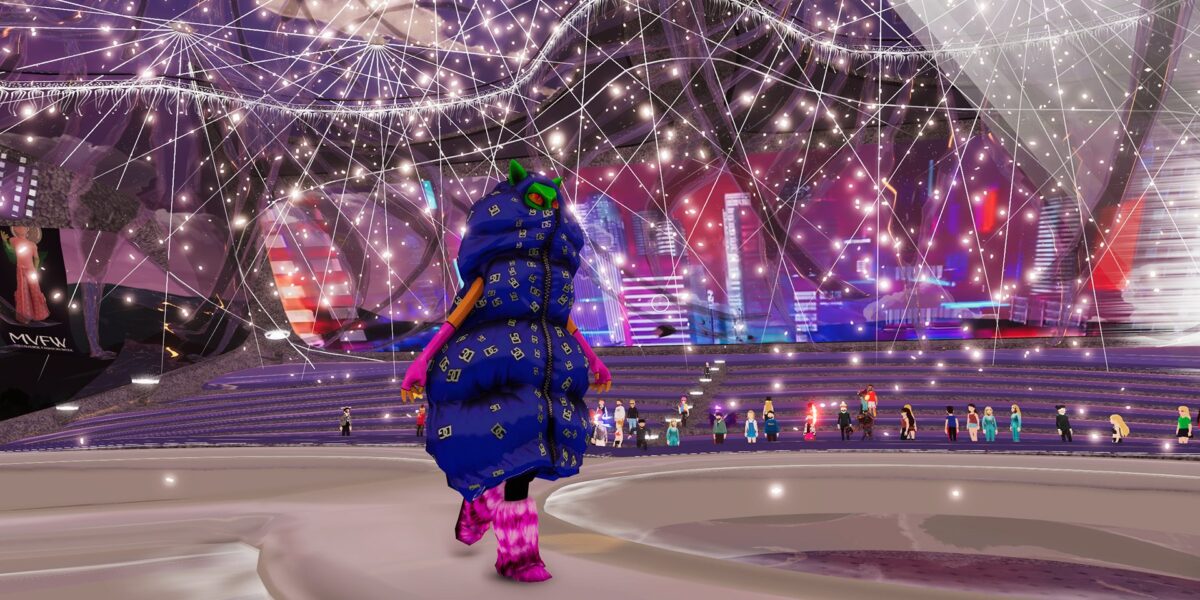
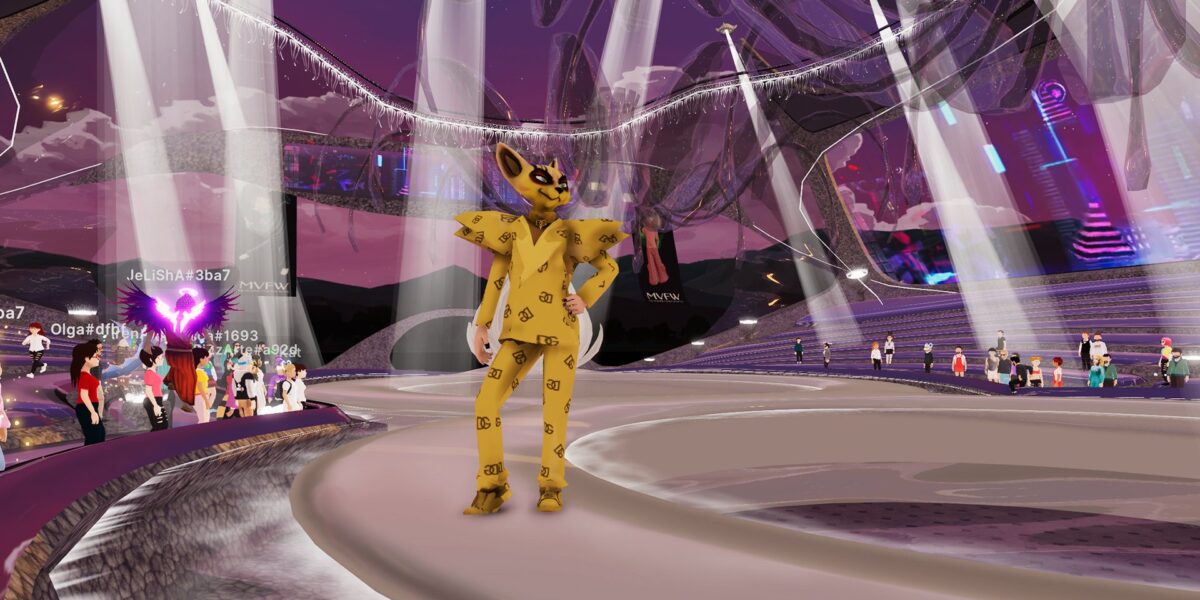
This is where one of the most memorable moments of the event took place – Dolce and Gabbana’s headline catwalk show where avatars of cats were used in place of humans and the runway models could fly after emerging onto the stage from lotus flowers. Elsewhere, digital and physical fashion brand Charli Cohen’s MVFW experience featured falling meteorites that spawned into its digital wearable items.
One of the key taglines Decentraland used for MVFW was “fashion without limits” and these fantastical events underlined the potential ability of metaverse spaces to create immersive and magical experiences that aren’t confined by the limits of the physical world.
Fashion without limits
Of course, “fashion without limits” has a double meaning in the context of the MVFW. Decentraland also contends that hosting a fashion week in the metaverse radically democratises access to an event traditionally seen as a closed shop, only open to a small number of celebrities, influencers and the ultra-rich. In the marketing for MVFW phrases like “Everyone’s a VIP in the metaverse” were prominently used to underline this message.
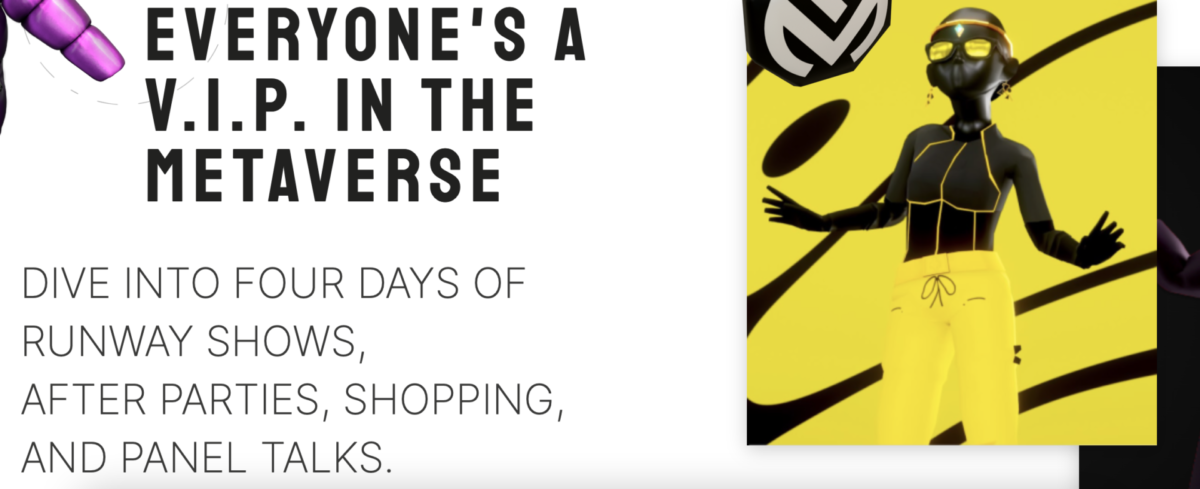
While, in theory, this is of course true, a lack of access to appropriate hardware is clearly a barrier to many during the early stages of the metaverse. Social media included a lot of comments from people keen to check MVFW out, but who either couldn’t get on Decentraland at all, or who were struggling with significant buffering. Decentraland responded by saying that this may have been down to the graphics cards and Wi-Fi capabilities of normal computers, but it highlights that, beyond the gaming community, there is still a long way to go before the metaverse is accessible to all.
Turning physical into digital
Beyond the big catwalk shows, other retailers and brands opened pop-up stores linking to their physical events and products.
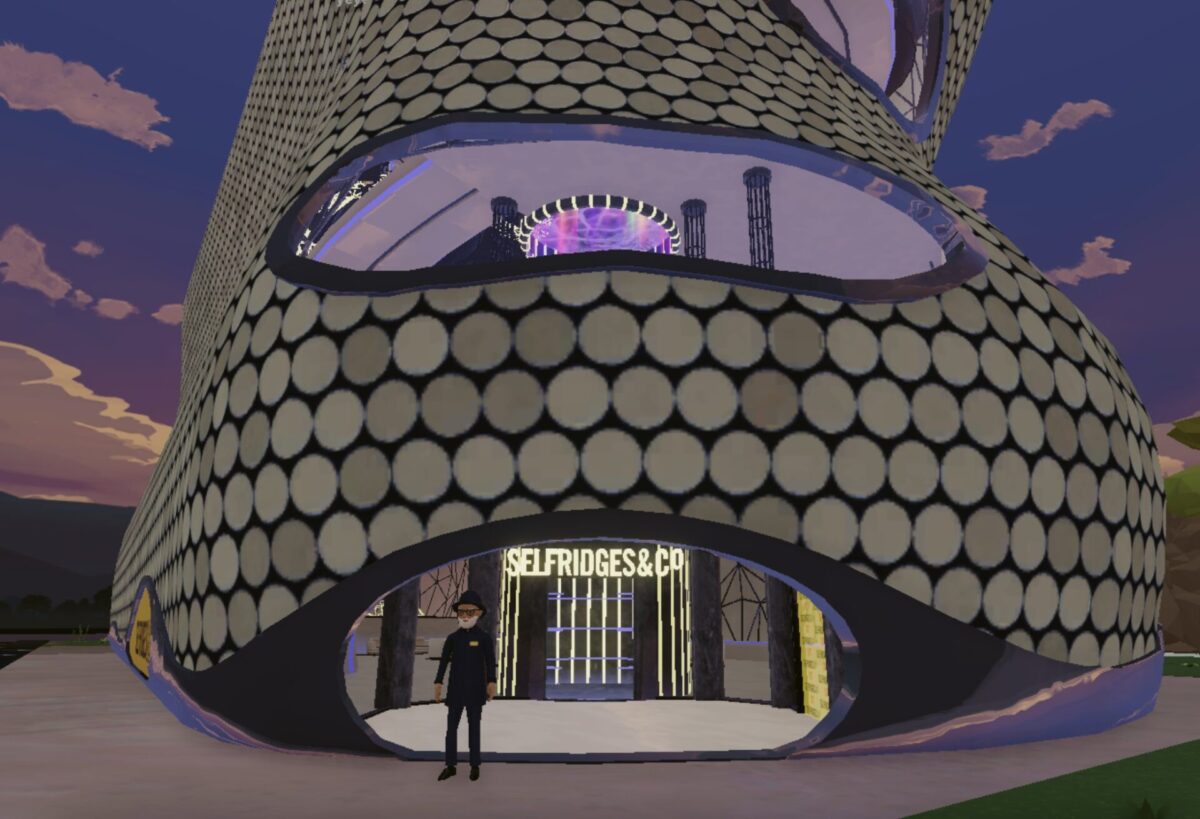
Luxury department store Selfridges created a space that transports the Selfridges Universe collaboration with Paco Rabanne and the Fondation Vasarely at its London flagship into the metaverse. In the physical store, customers can buy NFTs over the counter in cash, and the same digital assets were available to view and buy in the Decentraland pop-up.
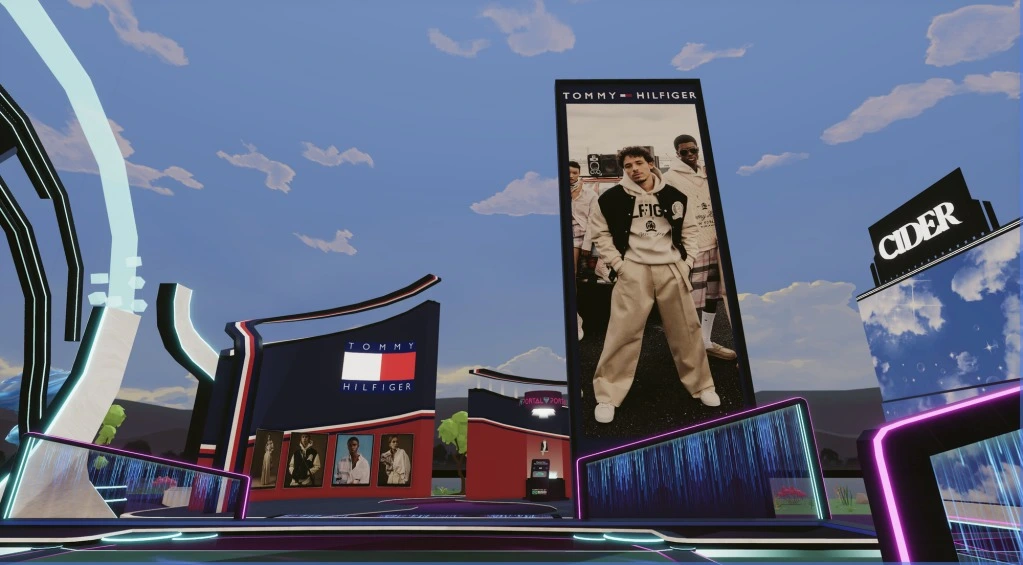
Tommy Hilfiger also used a pop-store to launch a range of NFT wearables linked to limited-edition items in its spring collection. The price of the NFT included delivery of the physical item to buyers’ homes, while Tommy Hilfiger also announced that the digital assets would remain on sale in the Decentraland marketplace after the end of MVFW.
Digital fashion designer Regina Turbina of Artisant showcased the Upcycled collection in collaboration with PUMA at MVFW. Half of the profits from the NFT drop will be donated to women’s charity organisations supported by the #SheMovesUs partnership, bringing philanthropy into the digital event.
Gamification in the metaverse
There were also some notable instances of gamification seen at MVFW that show that the metaverse isn’t just about broadcasting at others, but about connection and interactivity.
Sophia the Robot, a social humanoid robot developed by the Hong Kong-based company Hanson Robotics, attended the festival in avatar form. Any visitors who managed to spot Sophia and snap a selfie with her could enter into a draw to win an NFT created by eyewear brand Percy Lau and Hanson Robotics.
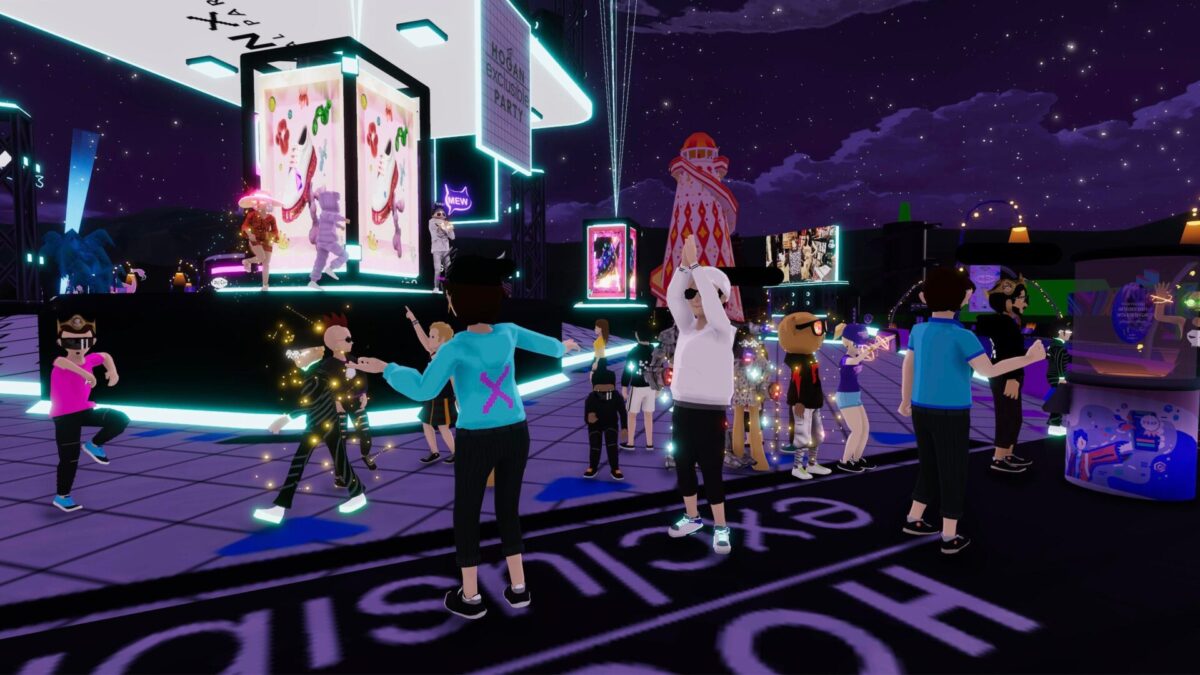
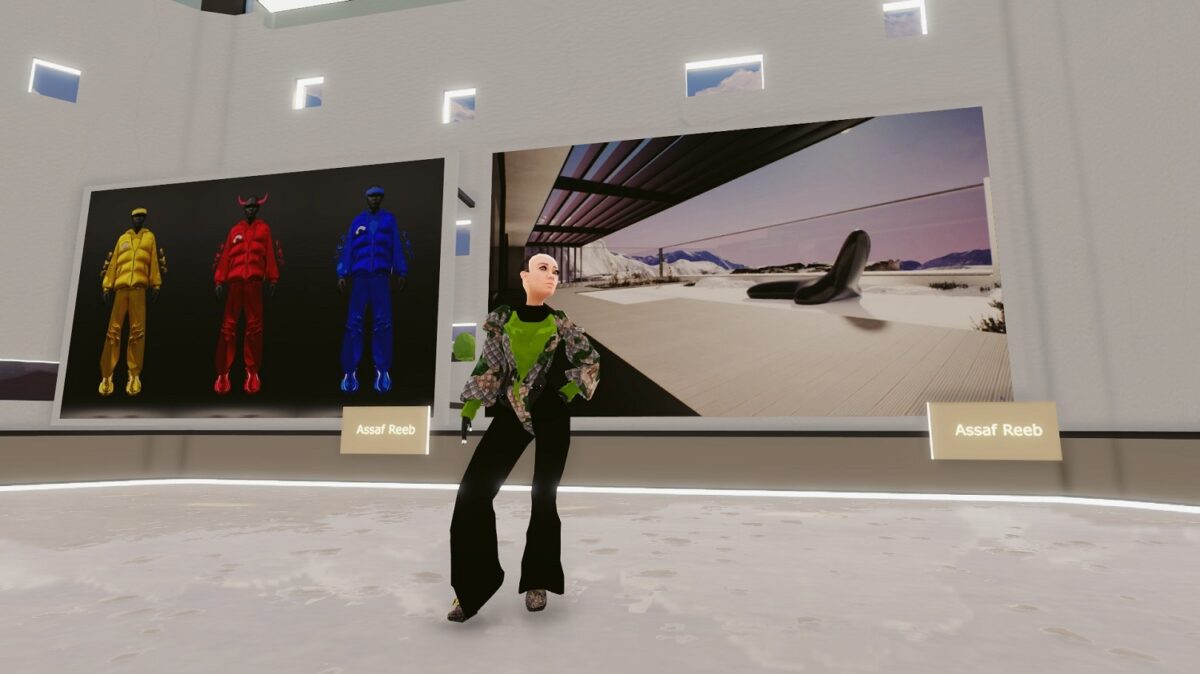
Elsewhere, an after-party hosted by luxury Italian sneaker brand Hogan included a dance-off, thought to be the first in the metaverse. A unique feature at the party empowered each attendee to programme their avatar to dance using a series of moves that they could customise. At the after-party, visitors could buy digital wearable Hogan NFTs, which were also linked to the purchase of a pair of physical shoes. Interestingly the price for the digital and physical bundle is the same as the price the physical shoes are sold for IRL.
Work in progress
Building on a style of experience that worked well at the first music-based Metaverse Festival last year, and which has been used by brands in pop-ups in Decentraland ever since, one of the after-parties hosted a concert with pop-star Grimes. Attendees could see an avatar of the singer performing in an otherworldly space hosted by Auroboros virtual art gallery, which was created by digital architecture firm Voxel Architects.
The Auroboros and Hogan after-parties and the Dolce & Gabbana catwalk show have been hailed as great successes, but it’s clear that other elements of Decentraland and the MVFW are still very much work in progress.
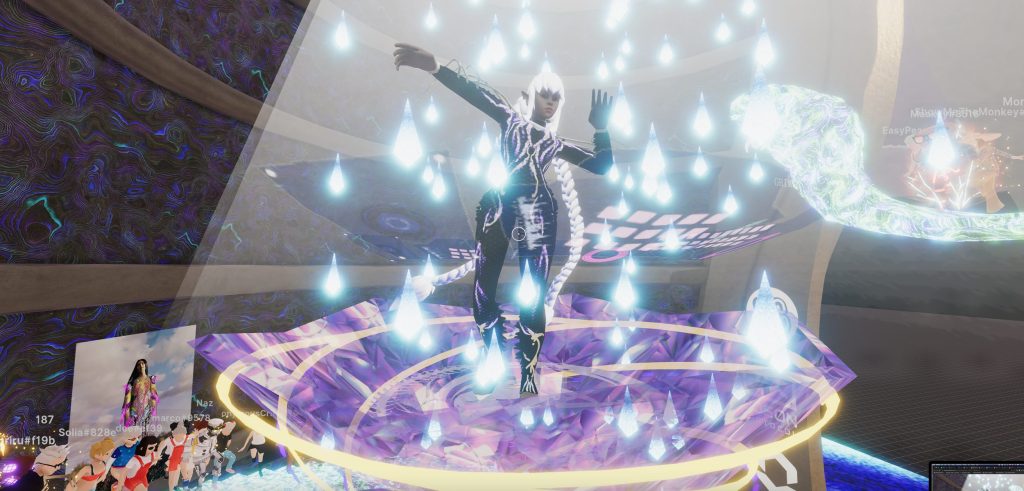
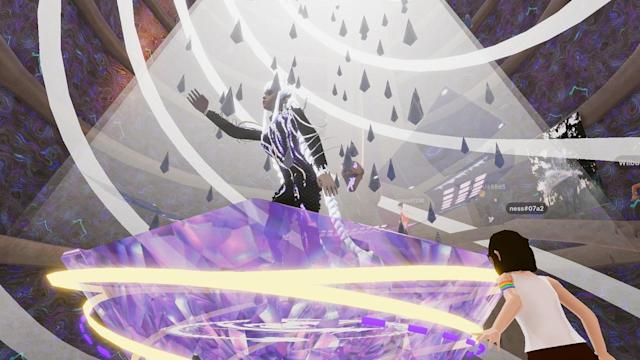
We’ve already mentioned the issues some potential users had with joining and navigating the MVFW, while others suggested that the graphics were fairly basic compared to other digital fashion events, such as the Fabric of Reality show in 2020 or Gucci’s Roblox Garden last year.
While brand participation in the metaverse is growing at a rapid pace, it’s important to remember that it’s still incredibly early days. The hardware needed to enjoy events like MVFW is not yet ubiquitous and the key technologies underpinning the metaverse is still developing. Additionally, the brands, creatives and artists designing the experiences are still testing and learning as they go.
It’s likely to be a number of years before we truly know the potential that the metaverse holds for brands and retailers, and what we’re seeing today is by no means the finished article. In the meantime it is undoubtedly a powerful and fun marketing and engagement tool and we’d advise all brands to get on board with events like MVFW so that they can start to understand why spaces like Decentraland could become a core channel for them in future.
If you’re interested in finding out more about the growth of the metaverse and why it’s relevant to your company, get in touch with GDR’s MD Rachel Wilkinson at rachel@gdruk.com