What are the most memorable case studies of the past 12 months? Which retail innovations truly stood out from the crowd this year? As we approach the end of 2022, we decided to take some time to pause and reflect on the most innovative, memorable, and creative retail innovations we spotted these past few months. Each member of the GDR team chose their favourite case study, and explained why they picked that particular one. Read on to discover the most relevant, delightful and surprising case studies of 2022 according to us.
WOW Madrid, by Kate Ancketill, CEO and Founder of GDR
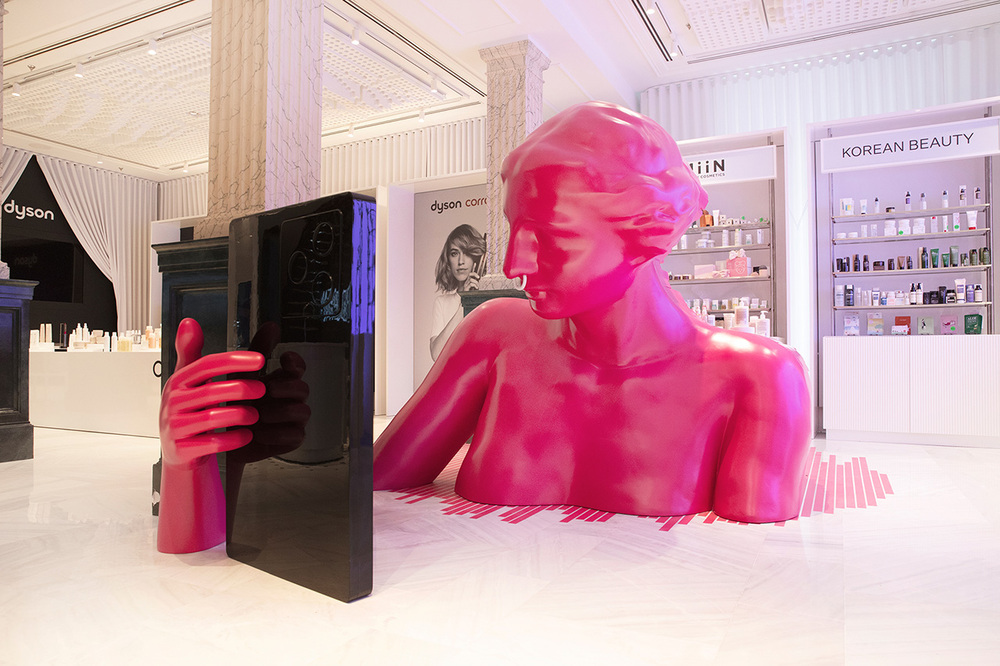
For me, it has to be WOW Madrid. With 80% of the UK’s department stores lost, with physical retail being de-leveraged by e-commerce and large stores suffering the most, it was sensational to see a courageous re-invention of the genre for the 21st Century.
‘This is not a store’ is a great strapline for a new-form department store. It’s a leisure destination, a live music venue, a high tech e-gaming space, a gym, an Instagram studio, a robot-run restaurant: 6 floors of constant change and truly experiential activity.
We’ve been saying for a long time that people will always show up for, (and pay for) properly exciting retail experiences they can share with their tribe. It’s too early to say if WOW Madrid has really cracked the future of (upmarket) department store retail, but we very much hope so.
Satoshi Island, by Rachel Wilkinson, Managing Director
There’s been a lot of hype around the metaverse this year and it is without doubt our most requested and talked about topic – partly I think because this channel is still very much emerging and finding its way and purpose. We have tracked some really interesting executions, from NFT spaces, to the Metaverse Festival on Decentraland to Heineken and Coke (Amongst others) launching product on the platform, or fashion brands showing catwalk collections. But the most interesting to me was Satoshi Island.
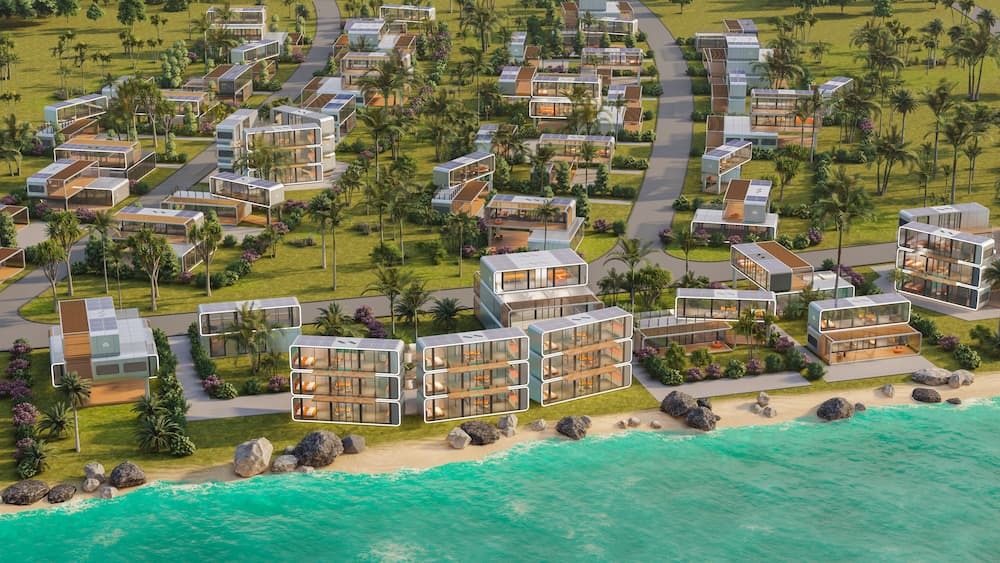
This is a real island that exists in in the Pacific Ocean, which is using the metaverse as a marketplace to recruit investors to buy real property on this unique island. Why is it unique? Because it will be the world’s first cryptocurrency community, where every owner will have to prove that they are a trader or owner of crypto.
Why is it my choice? Because it is ground-breaking. They are using the Metaverse, NFTs and Crypto marketplaces in web3, to market, target and sell to specific customers and create a niche community of like-minded individuals in the real world. The actual buildings to purchase will be sustainable and smart and the NFT citizenship will be registered and managed on the blockchain. The island will be decentralised like a DAO community, or a Silicon kibbutz, so each citizen NFT holder will have a vote on “all policies that govern the island”. Whether this will work, or be like an odd cult of weirdos and billionaires remains to be seen – but I applaud the bravery and vision to do something revolutionary. This is big and bold digital placemaking.
TA3 Swim, by Eric Coulon, Head of Strategy
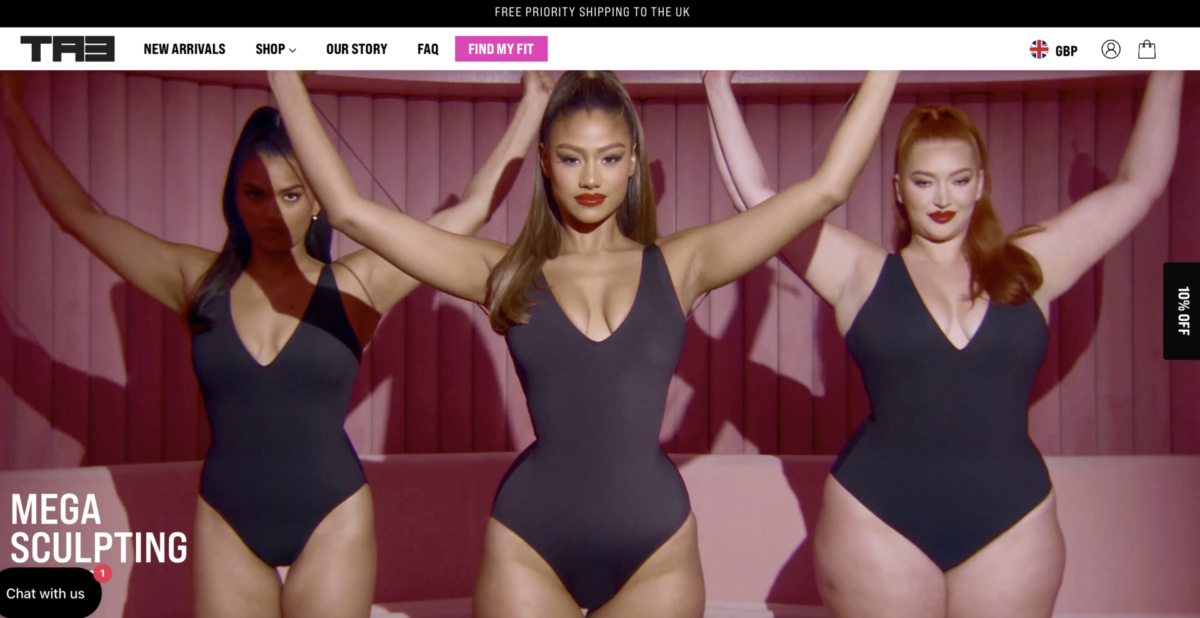
Managing returns for e-commerce retailers is an important part of running a successful online store. Returns can be costly and time consuming, and can impact customer loyalty and satisfaction. That’s where TA3 Swim comes in. The American swimwear brand saw their return rate drop to 9% following a 6-month partnership with global leader in AI-first mobile body measuring and virtual try-on solutions, 3DLook, when the industry average is a whopping 36%. Using virtual try on technology is good for business, good for the planet and good for consumer loyalty. It’s exactly the sort of triple-win we love to spot all year long and in all industries here at GDR.
Amazon Style, by Ella Sy, Strategy Director
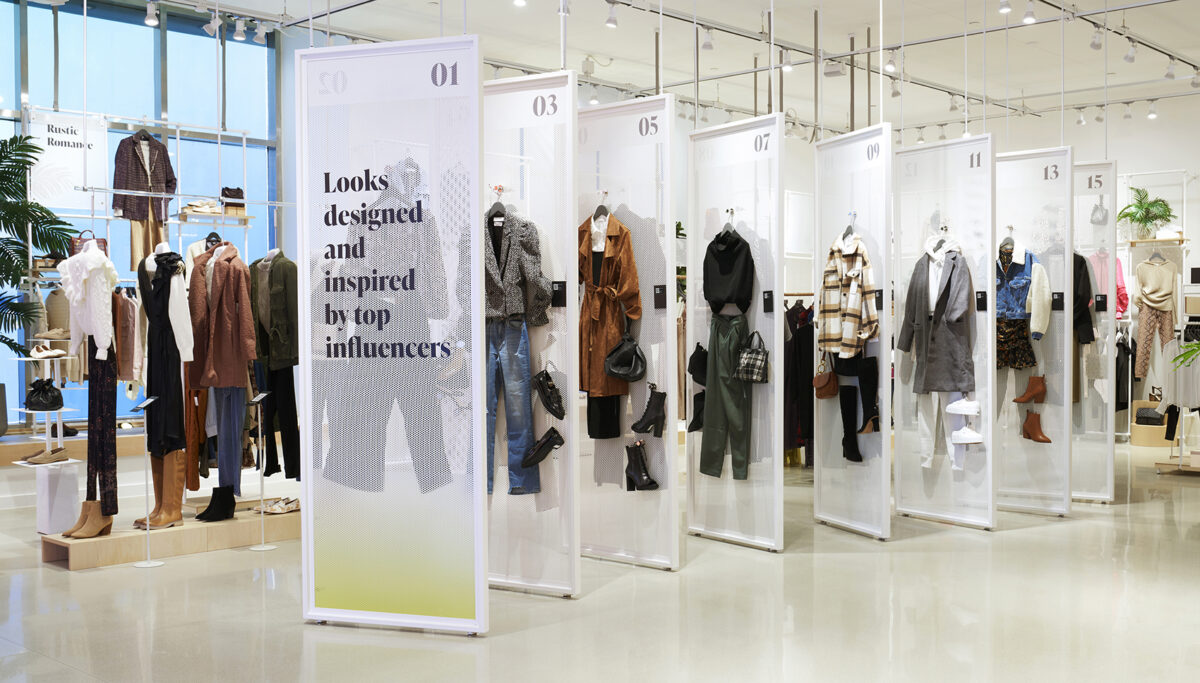
I think Amazon Style is the most interesting retail initiative this year. It shows that physical retail is not dead since major digital players like Amazon are stretching into the brick-and-mortar space – not once but twice. They opened the first Amazon Style in LA in spring, and a second one in Columbus, Ohio, in October.
I like that they make a real effort to close the gap between customers and conversion very upfront in the funnel thanks to the personal and personalised fitting rooms with digital interactive screens linked with customers’ mobile phone and Amazon account. From a data and personalisation perspective, it’s also genius. Expanding the data and membership from digital to phygital allows for a seamless and elevated customer experience, from which Amazon can collect more data from checking-in, to aisle browsing, fitting room and check-out.
Patagonia goes purpose, by Sandra Perriot, Strategy Director

In my opinion, it has to be Patagonia’s founder, Yvon Chouinard, giving away his company to fight the climate crisis and protect the environment. It’s a real game-changer for the apparel industry to see a prominent business figure leading by example, and acting towards the greater good in a very concrete and tangible manner. I think this bold move has the potential to launch a new era for sustainable development and the way businesses tackle their ESG pledges.
The idea that ‘Earth is now our only shareholder’ as he aptly put it in his statement is a positive market shaker. The fact that Patagonia will continue to be a for-profit business, a certified B Corp and a California benefit corporation, and that it will also continue to donate 1% of sales each year to grassroots environmental nonprofits sets a new benchmark for the future of purpose-driven businesses.
If you’re interested in any of the themes discussed in this article, get in touch with rachel@gdruk.com to find out how GDR’s consultancy, inspirational speaking, trends and sector reports can help drive positive change in your business.