During the so-called “retail apocalypse” of the last decade, the long-term viability of physical retail has often been called into question. The pandemic’s accelerating effect on ecommerce growth and the rise of super-fast delivery and the metaverse in recent years have added extra fuel to this fire. Yet at GDR we’ve always believed that physical stores will retain an important role in the omni-channel retail mix of the future.
Recently an unprecedented number of digital-native brands have made a strong commitment to physical retail helping to underline why stores are here to stay. GDR’s Pixels are not enough trend highlights how traditionally virtual, logistics-based and DTC brands are using physical locations as 360 marketing opportunities that allow them to add extra layers and texture to their brands.
In some cases the motivation is community-building, in others it is about highlighting the quality or functionality of a product or service, but the takeaway is the same: while it is true that the omni-channel mix is swaying towards digital, for brands targeting long-term growth Pixels are not enough.
Case study examples
The Meta Store
Social media giant Meta has moved into physical retail for the first time with the opening of the Meta Store. The debut location on the Facebook campus in Burlingame, California is viewed as a place for consumers to find out about and trial the hardware that Meta believes will power the metaverse.
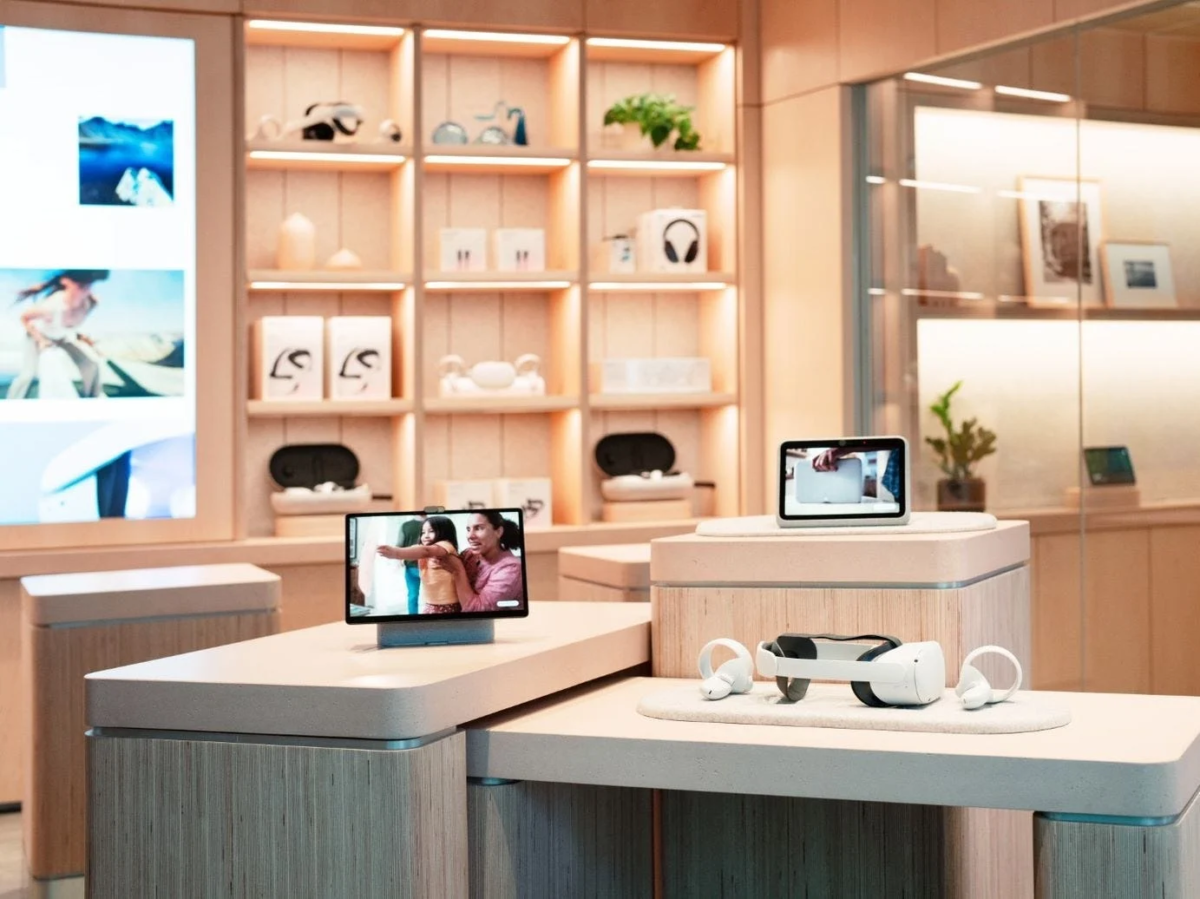
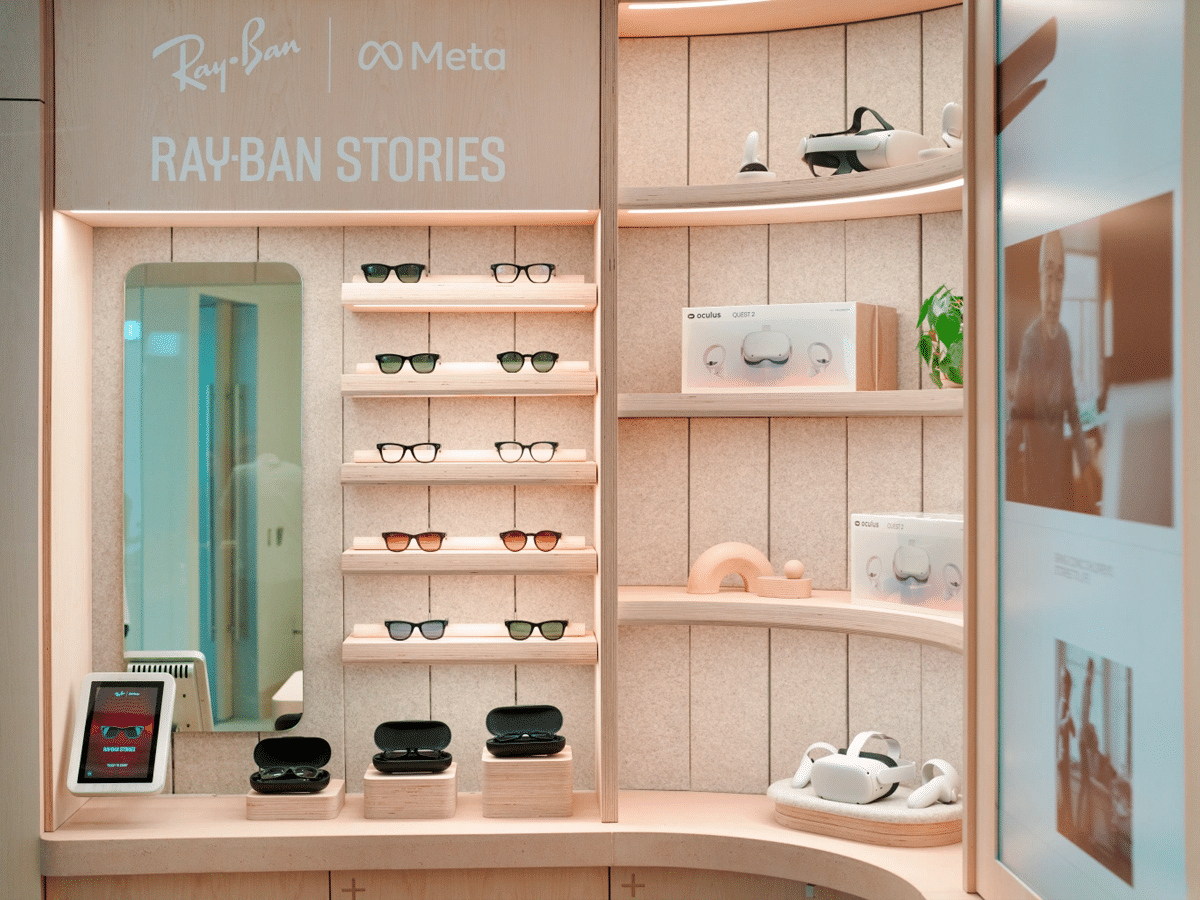
Devices available to trial in-store include Oculus Quest VR headsets, connected Ray Ban Stories glasses, which were created with Meta, and Portal video-chat devices. “The best way to understand virtual reality is to experience it,” founder and CEO Mark Zuckerberg said in a prepared statement.
Visually the design and merchandising of the debut Meta Store is very Apple Store-inspired and looks nice, without being in any way ground-breaking or innovative. Meta has not yet confirmed the breadth of its plans for the Meta Store, but the very fact that a social media giant has turned to physical retail to promote its claim in the metaverse provides a strong indication of the continued relevance of stores in the digital era.
DPD Store
German courier company DPD has opened its first physical retail space in Berlin, named DPD Store. The concept store is a space where online shoppers can open their parcels, try-on or test their purchases, recycle the packaging and send parcels and returns. All cardboard boxes that orders are received in are made available to those wanting to send parcels free of charge.
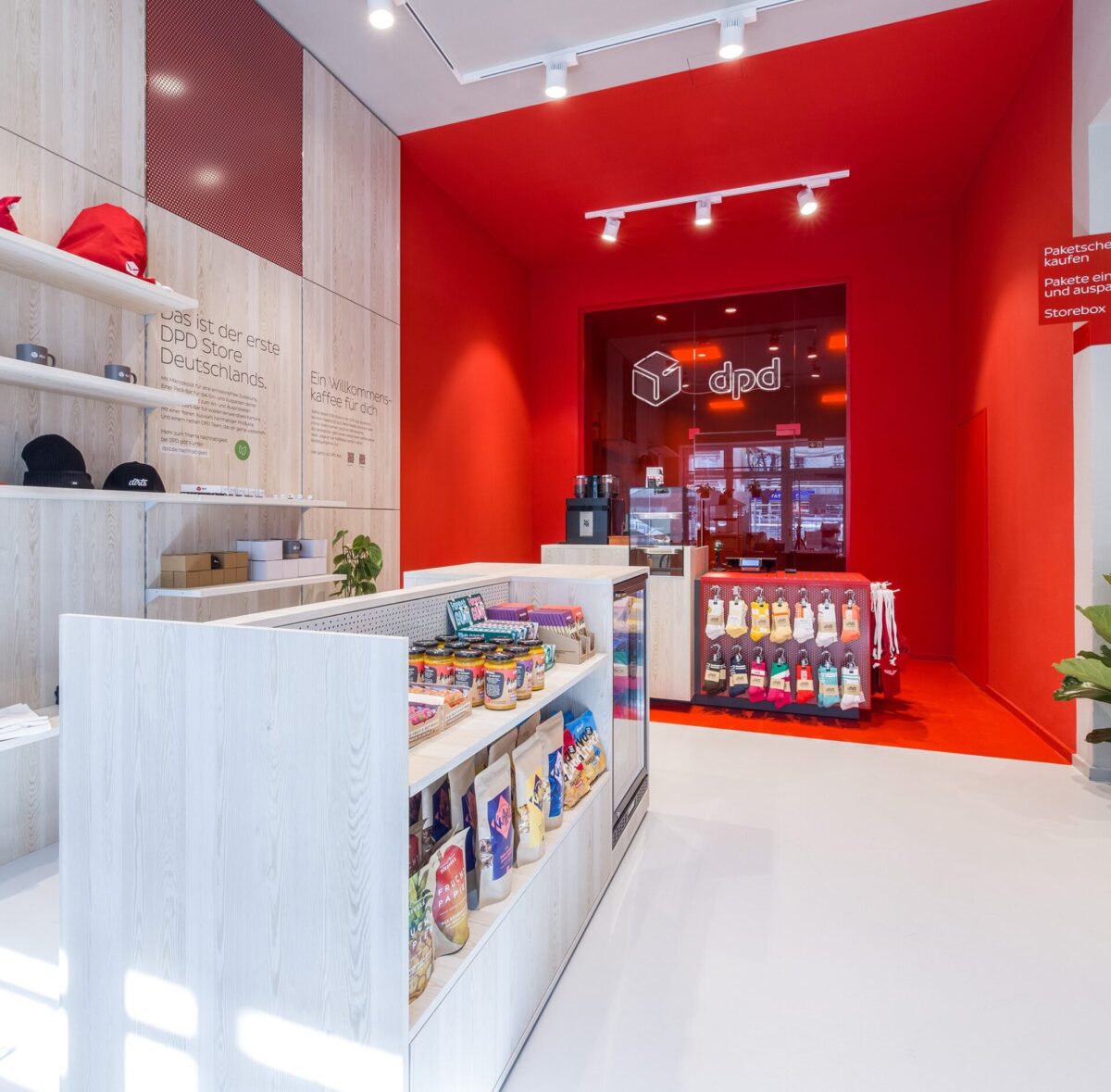
The location, which is the first of many planned for Germany, includes a coffee bar and snacks and doubles as DPD’s micro-fulfilment hub for local deliveries. It also includes lockers that shoppers can rent to store items.
By building a customer-facing element on top of its fulfilment centre, it is also an interesting example of a brand adding more personality and functionality to what would have previously been a “dark” warehouse.
Casper ghost kitchens
Fast-growing Belgian ghost kitchen operator Casper uses customer-facing pick-up spaces to add a human element and sense of community to its “dark” locations. Responding to the negative reaction that many dark store and kitchen locations in prime urban environments have been getting globally, Casper has intentionally built a hub at the front of its kitchen locations where passersby can talk to staff, place orders on digital screens and relax while waiting for their meals to be prepared.

Playful messaging outside each location invites customers to “Come in and take out”, while Casper’s branding plays on the idea of being a ghost kitchen, from its name (a nod to Casper the friendly ghost) and the use of the phrase “ghosting the city” in its comms and throughout its locations.
Harvey Nichols NFT Vault
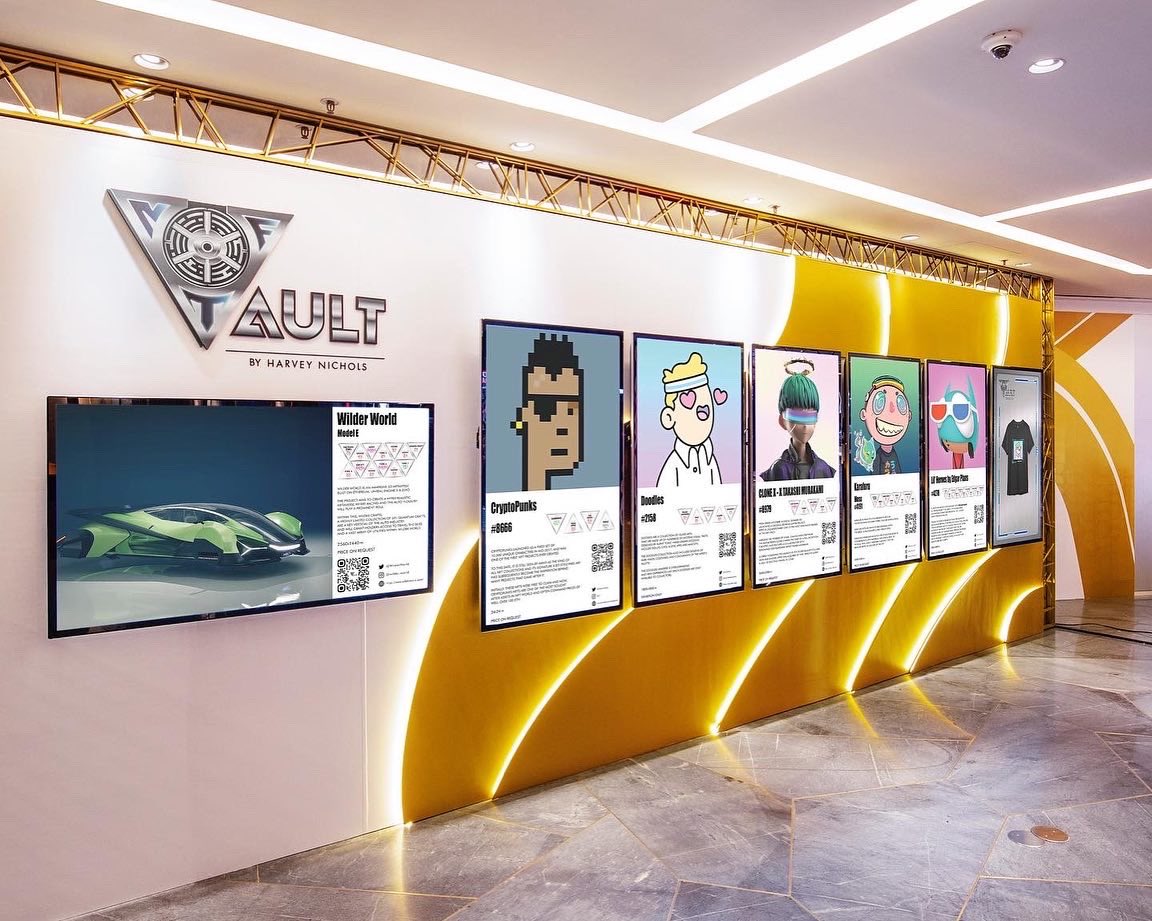
Harvey Nichols has launched the NFT Vault in its Pacific Place store in Hong Kong, which promises shoppers the opportunity to explore and buy vetted NFTs from respected sources. Within the space a range of digital screens are mounted to the walls, with each one displaying an NFT artwork alongside information about the artist and the likely appeal of the NFT. Visitors can scan a QR code on each NFT to find out more, or talk to staff, who are said to be prepared for crypto experts and NFT newcomers alike.
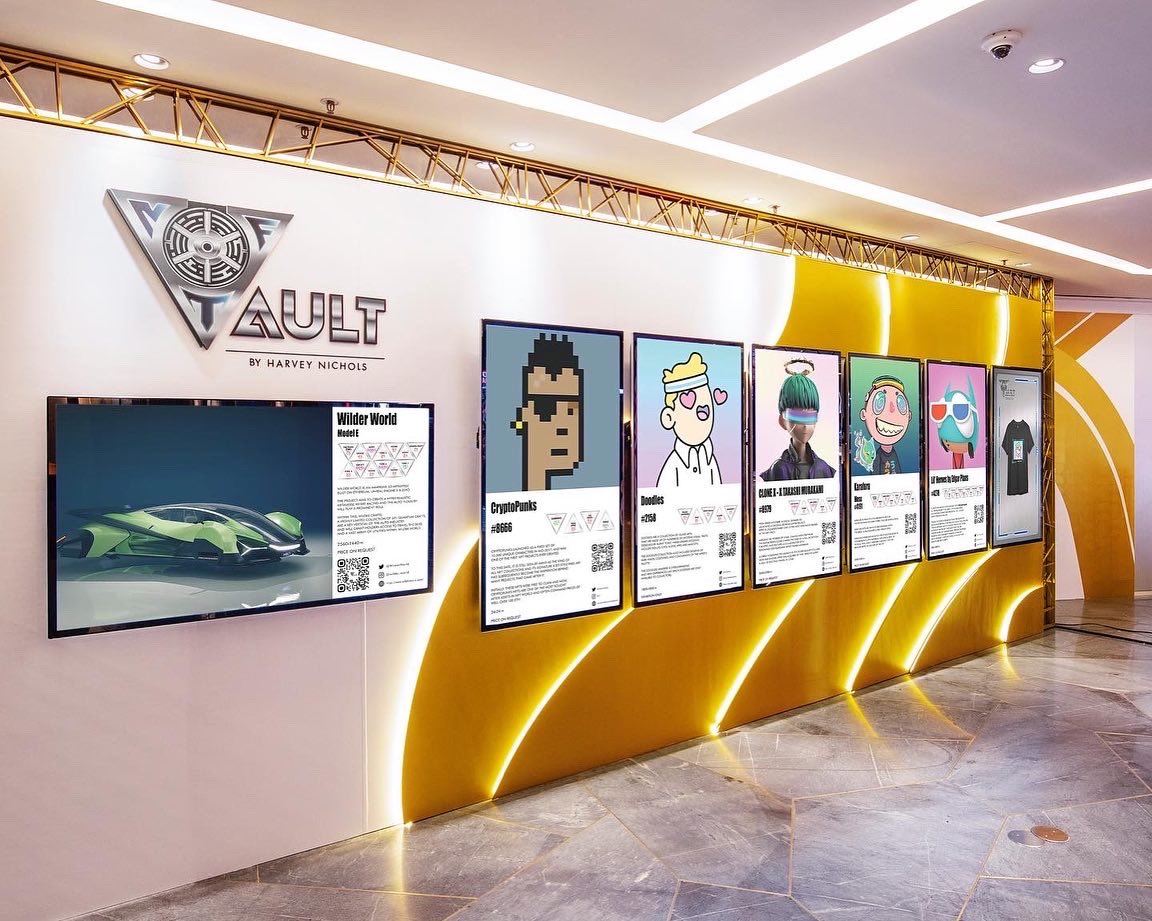
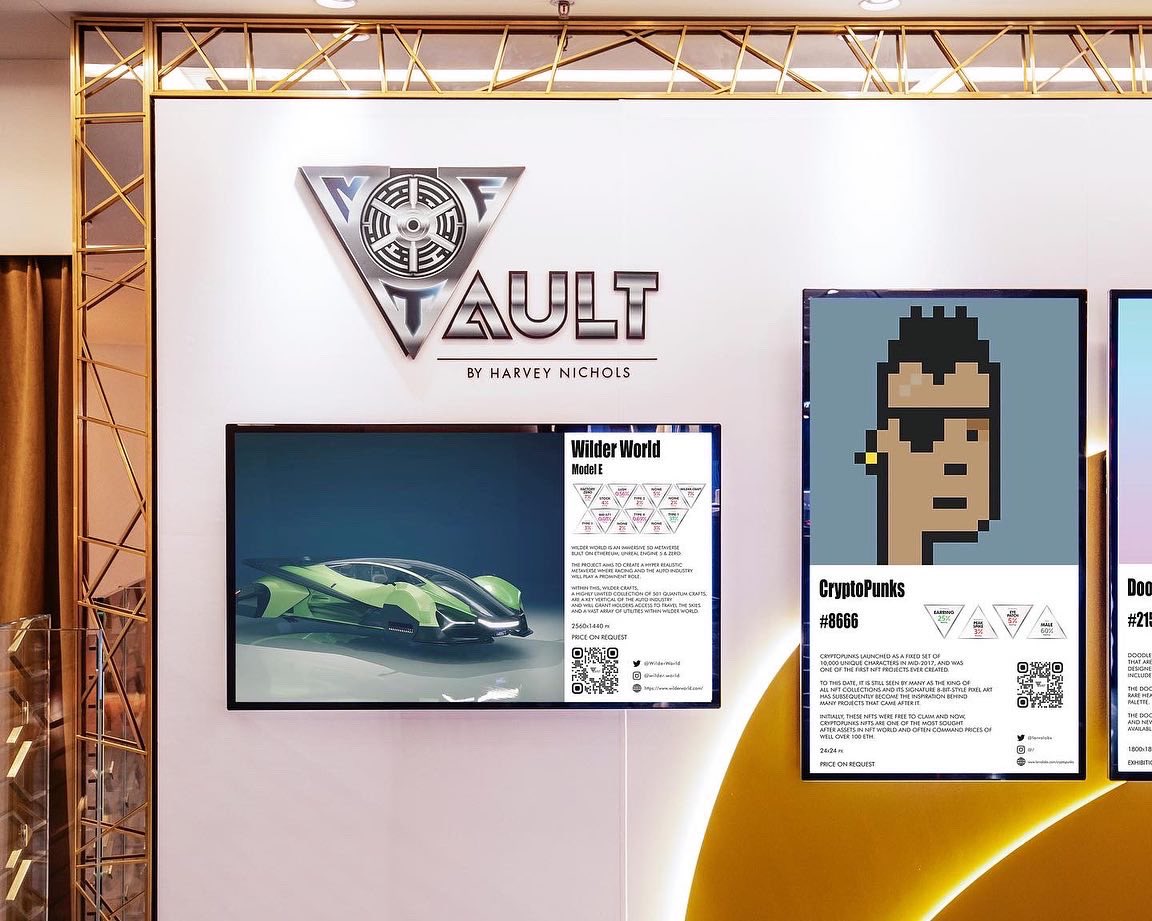
A press release from Harvey Nichols said: “Through the new space we aim to make NFTs more accessible to a broader audience by featuring a range of NFTs from some of the most successful projects globally available for in-store exploration and purchase.” Prices of the NFTs will vary between HK$5,000 and HK$1m (the equivalent of £500 to £100,000), with all NFTs available to buy using cryptocurrency or credit card.
Fresh Street
Fresh Street is a pick-up only grocery store concept in Chicago that claims its more focused, stripped-back approach makes it “better, faster and more affordable” than its competitors. Customers shopping on the brand’s website, mobile site or app can choose from 4,000 SKUs and collect them via curbside pick-up within 30 minutes.
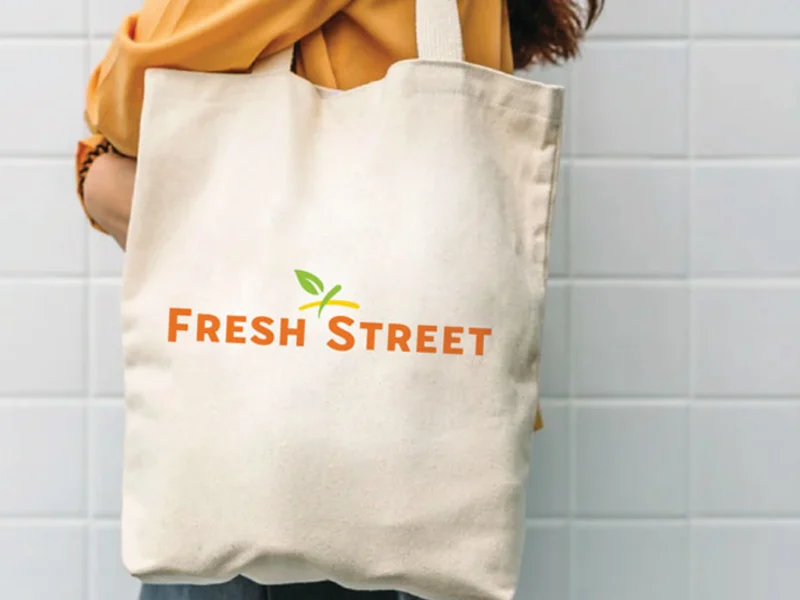
The store is effectively a fulfilment centre where one member of staff is responsible for picking and packing each order. When customers arrive at the location they pull into a numbered bay and notify staff via the app or mobile site. A member of staff then delivers their shopping to them, without the customer needing to leave their car.
The concept responds to curbside pickup’s increasing share of the US online grocery market, which in January and February 2022 accounted for 40%. Founder Mike Sayles says that, while consumers like the idea of delivery, they don’t want to pay for it. Thus, by removing the delivery option and the physical store experience, Fresh Street is able to focus on delivering high quality products at lower prices.
If you’re interested in any of the themes discussed in this article, get in touch with rachel@gdruk.com to find out how GDR’s consultancy, inspirational speaking, trends and sector reports can help drive positive change in your business.