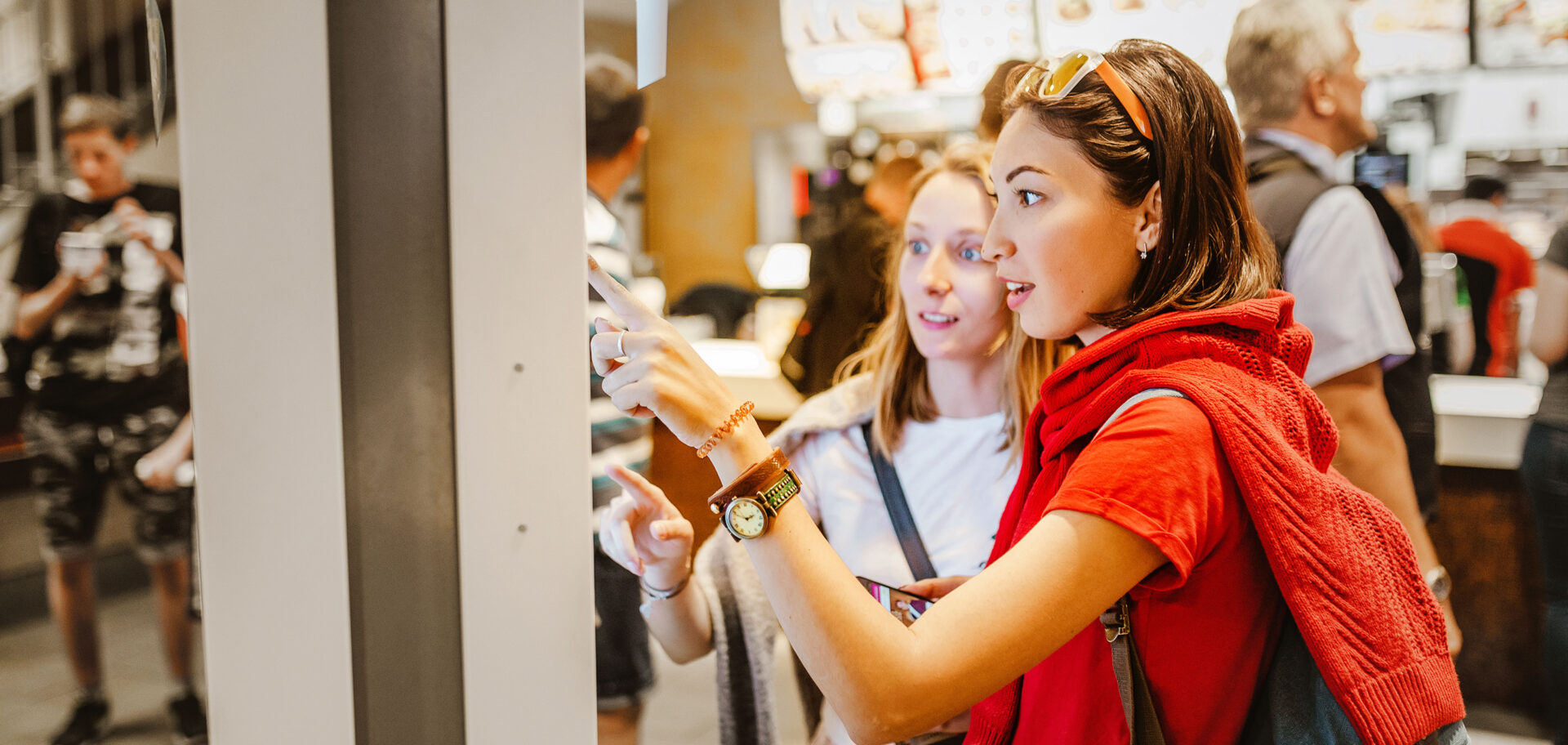
Restaurants in the fast-casual sector are introducing innovations that help make the customer experience smoother than ever, while streamlining operations behind the scenes.
Record inflation throughout 2022 increased costs and forced many brands to hike up prices, but with commodity prices steadily falling again this year and customers looking to strike a balance between quality and convenience, things are gradually looking up in the fast-casual sector. However, tech looks set to play a crucial role in the future of fast-casual dining and takeaway food, as a way of gaining an edge and increasing profit margins.
When Covid-19 struck, restaurants were forced to adapt quickly, increasing capabilities around click-and-collect, delivery and online ordering. Although the pandemic is now officially over, customer expectations around convenience remain higher than ever. In a bid to keep up with these growing expectations, restaurants are continuing to invest in tech solutions that help streamline operations, from preparing and serving food to managing day-to-day tasks.
But is the increased use of tech in restaurants at odds with what consumers want? According to a survey by PwC, 82% of consumers want more human interaction from brands and retailers, although 59% feel that companies have lost touch with the human element. And yet while it may seem counterintuitive, ramping up technology and automation in food service environments can actually help companies to improve human interactions by freeing up staff to help answer customer questions and ensure their experience is going smoothly. The key here is to ensure that technology is creating a more seamless and hassle-free experience – and that knowledgeable human staff are on hand to help if things go wrong or they need help.
Here we round up best-in-class examples of how food companies are leveraging smart technology to streamline operations and create a smoother experience for customers.
SWEETGREEN
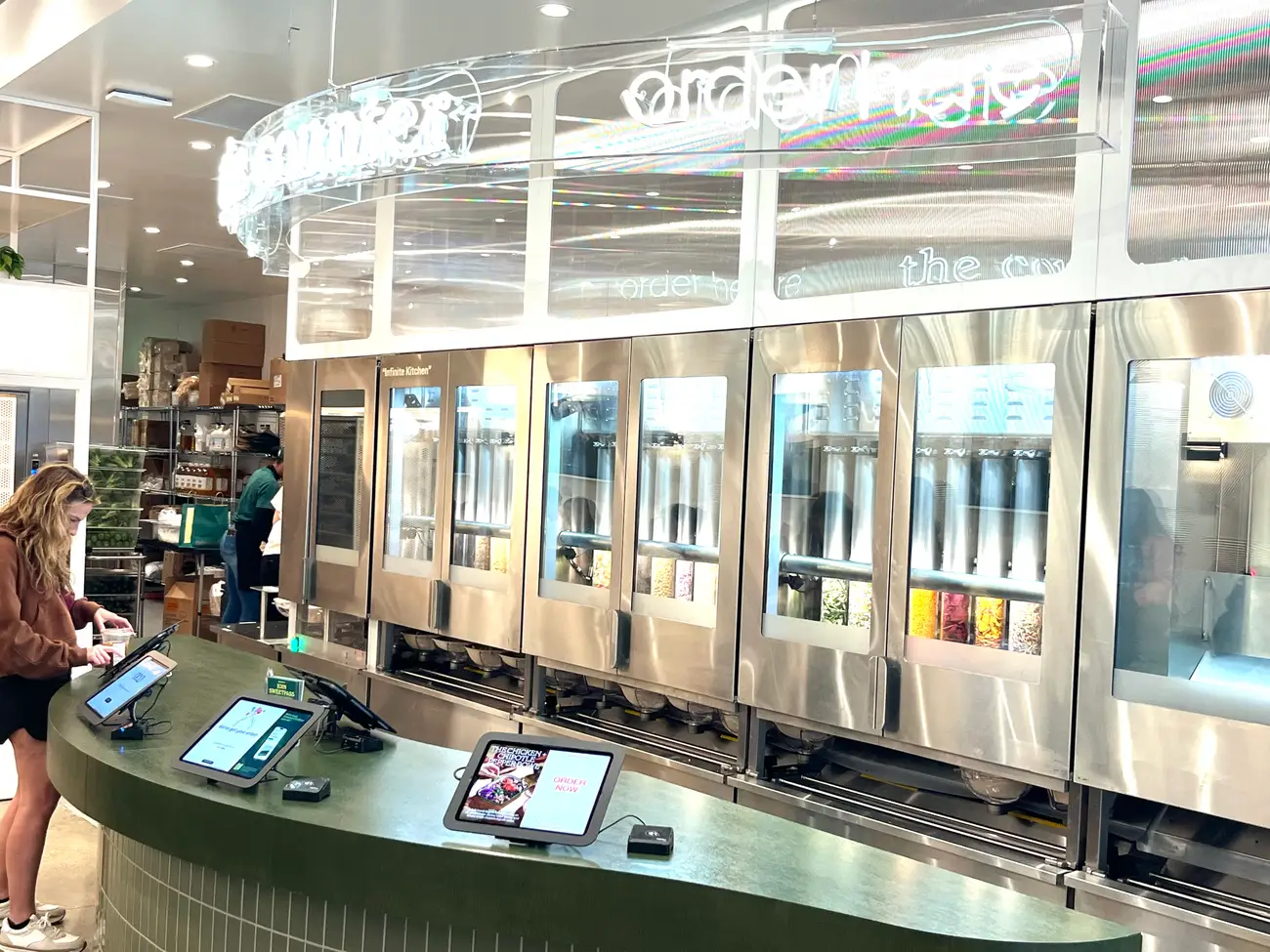
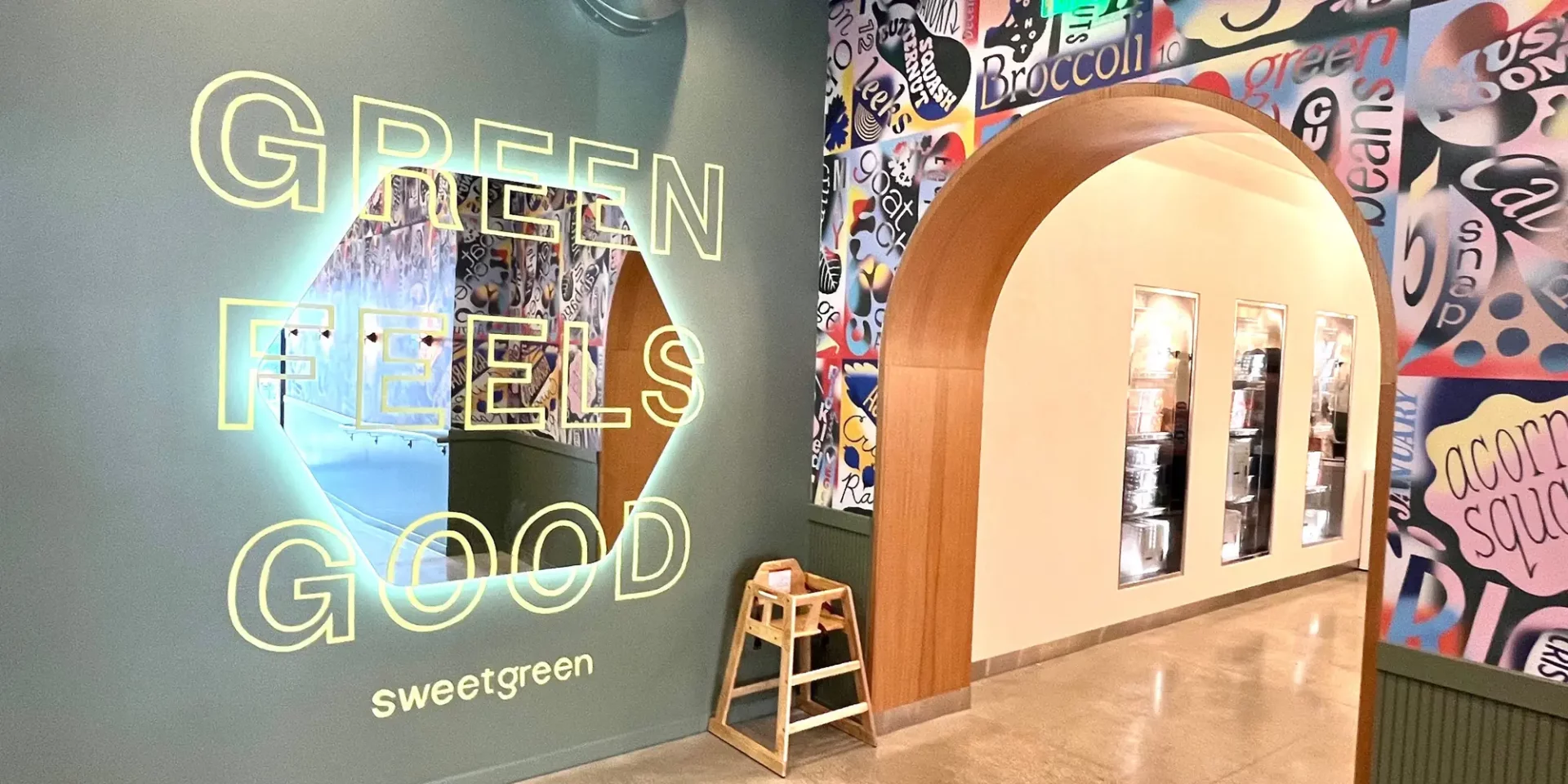
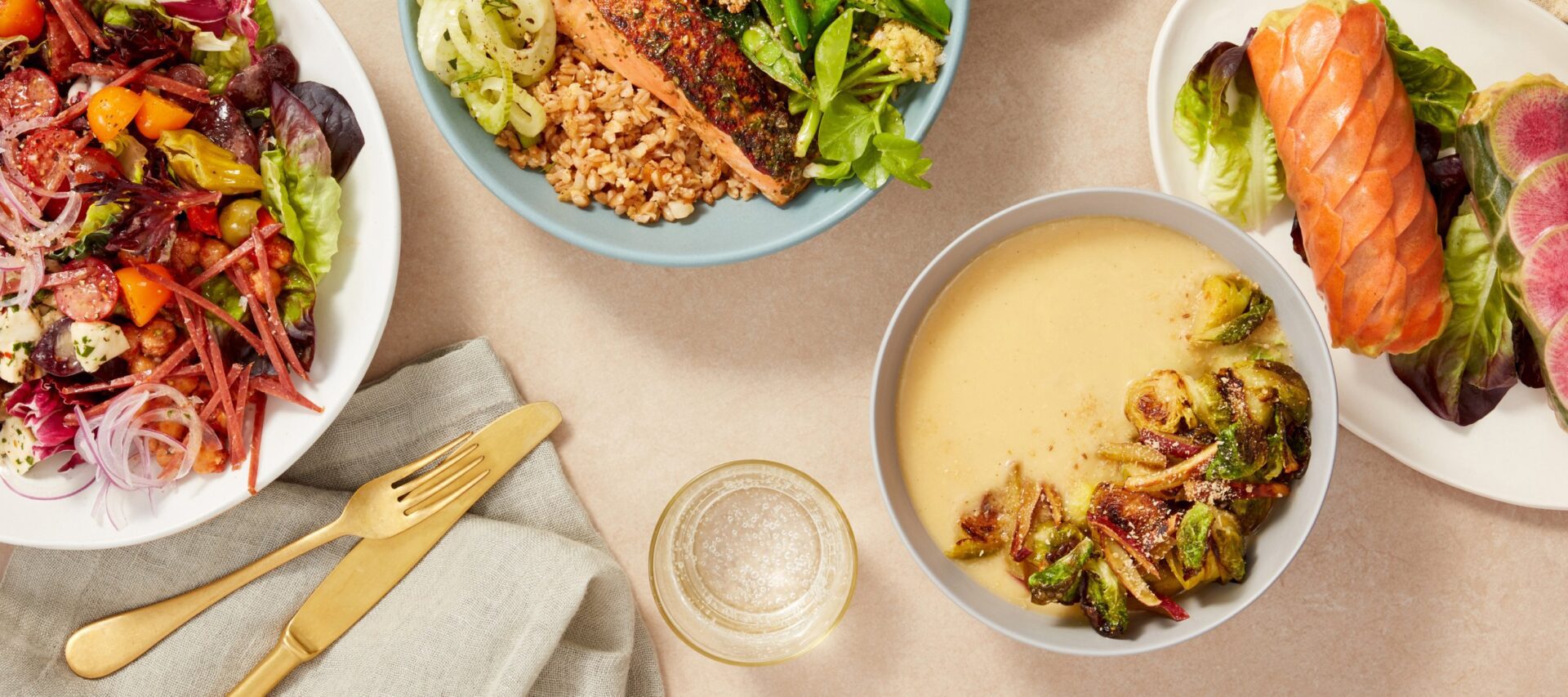
The restaurant brand has announced the opening of its inaugural automated restaurant, the Sweetgreen Infinite Kitchen.
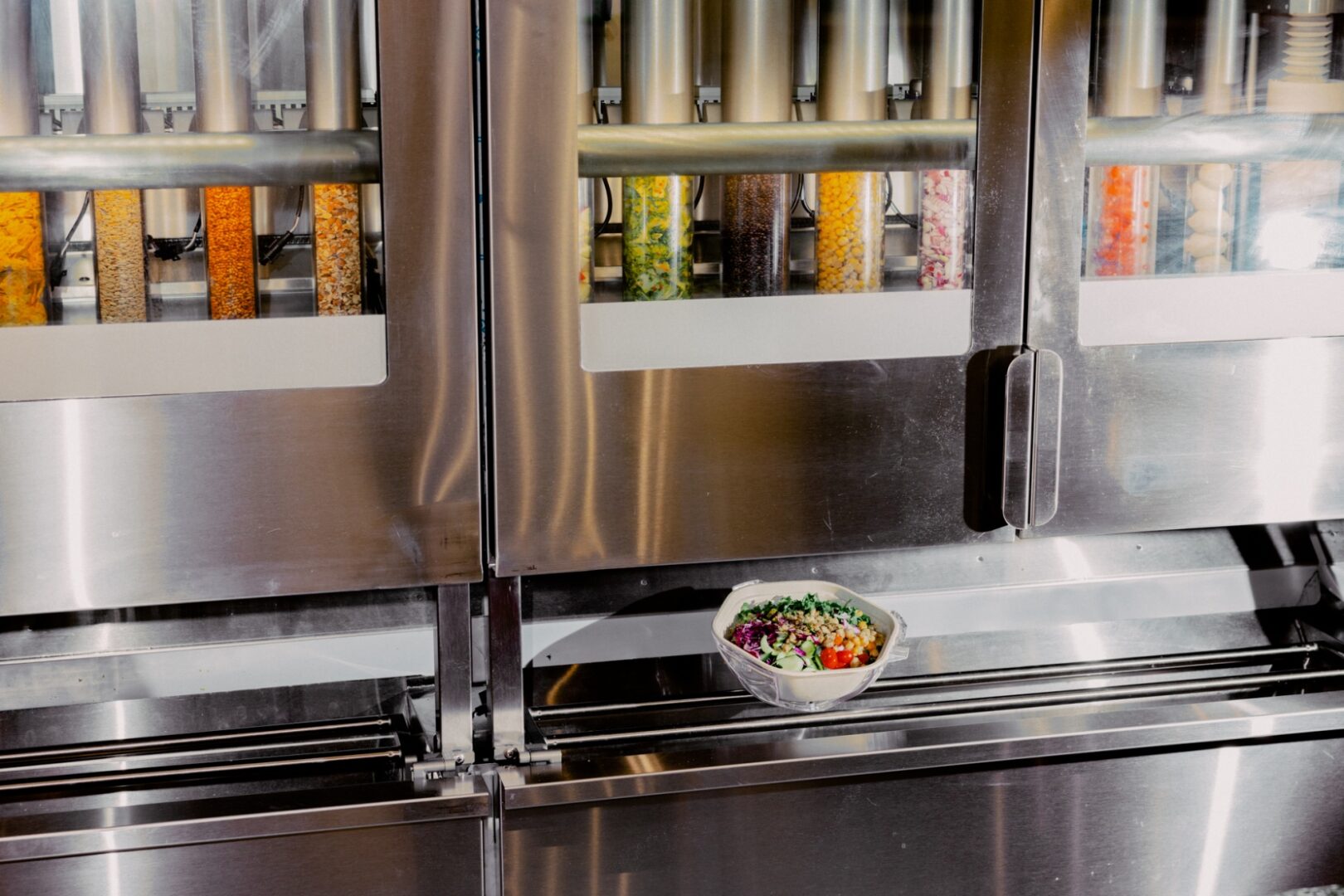
Located in Naperville, Illinois, the pilot store uses a robot assembly line to quickly and flawlessly put together salad orders. Following its acquisition of robotic kitchen company Spyce in 2021, Sweetgreen has spent the past year and a half refining and adapting its technology using customer and team member feedback. The primary objective was to design a seamless experience that connects more people to healthy food.
The new format enables a faster pace of service, precise portioning and enhanced accuracy, all while creating operational efficiencies that enable staff to focus on fresh preparations and improved hospitality.
Customers can see the technology in action as it dispenses greens, dresses bowls and plates, evenly distributes ingredients and expertly mixes salads. Sweetgreen team members add the final touches at the finishing station, whether it’s a sprinkle of herbs or a scoop of avocado.
By integrating robotics into the service process, Sweetgreen aims to scale up its food offerings and retain excellent hospitality while reducing labour costs. The brand intends to roll out automation at all of its new locations over the next five years.
CHICK-FIL-A
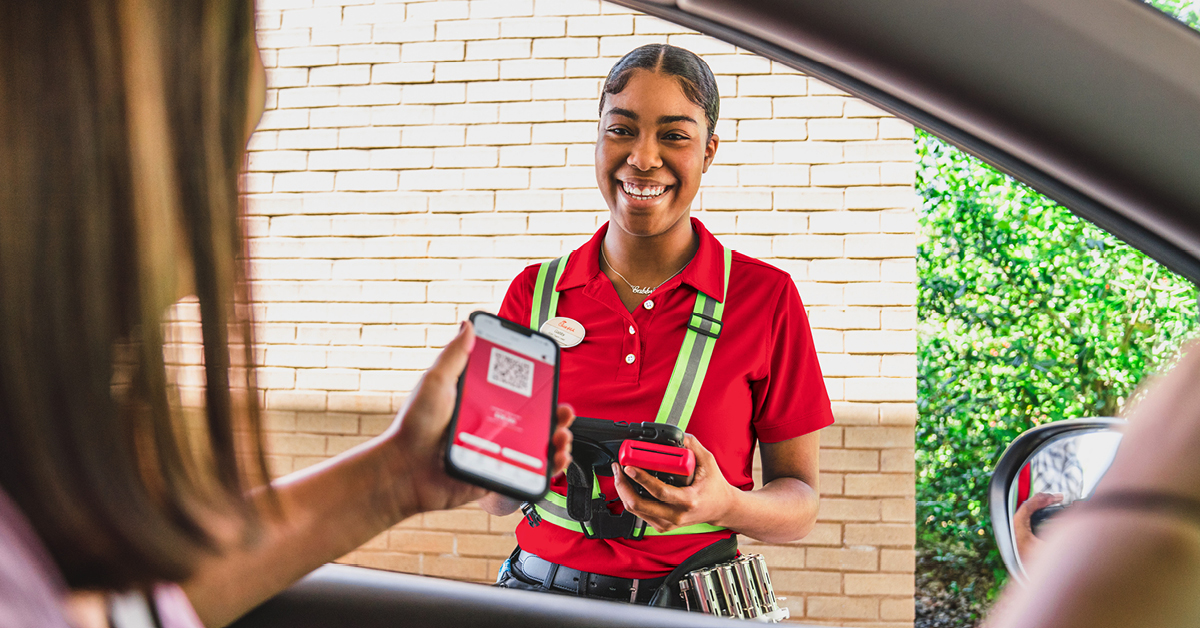
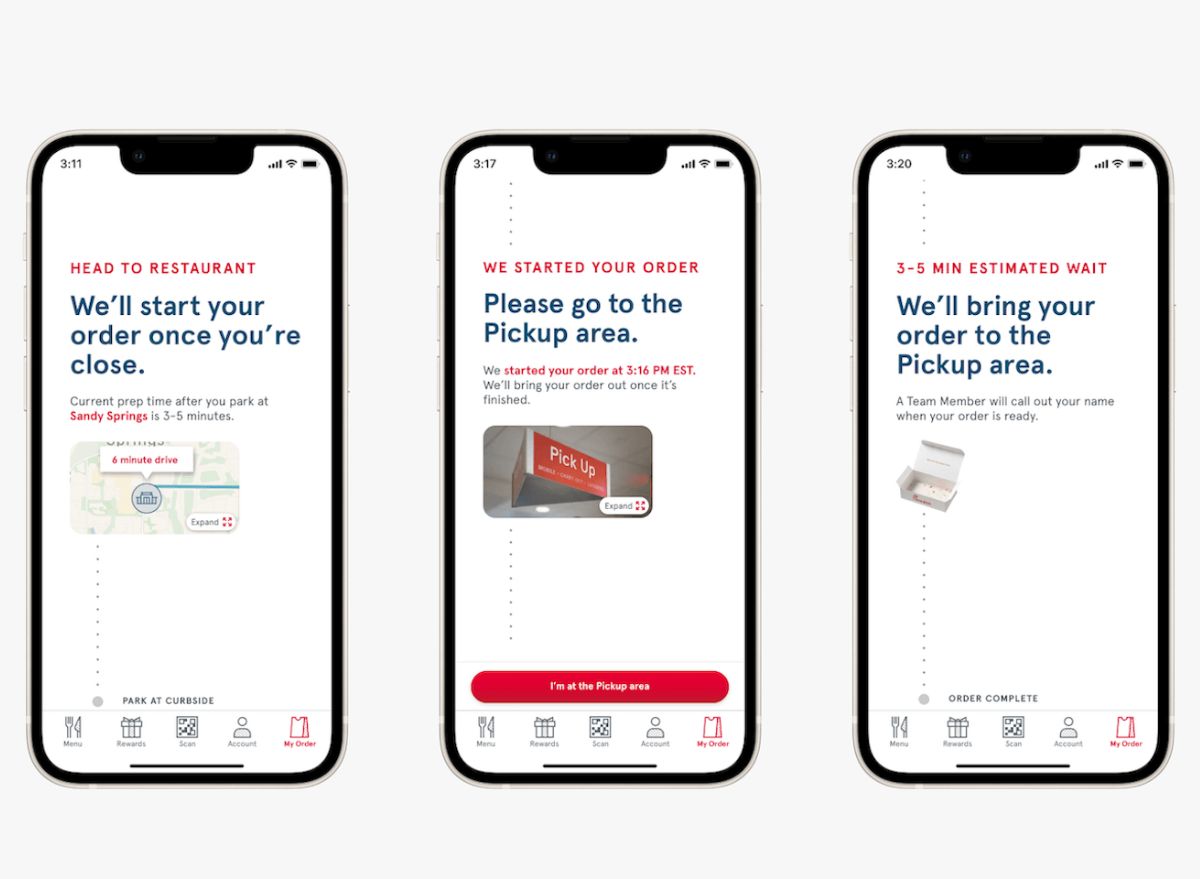
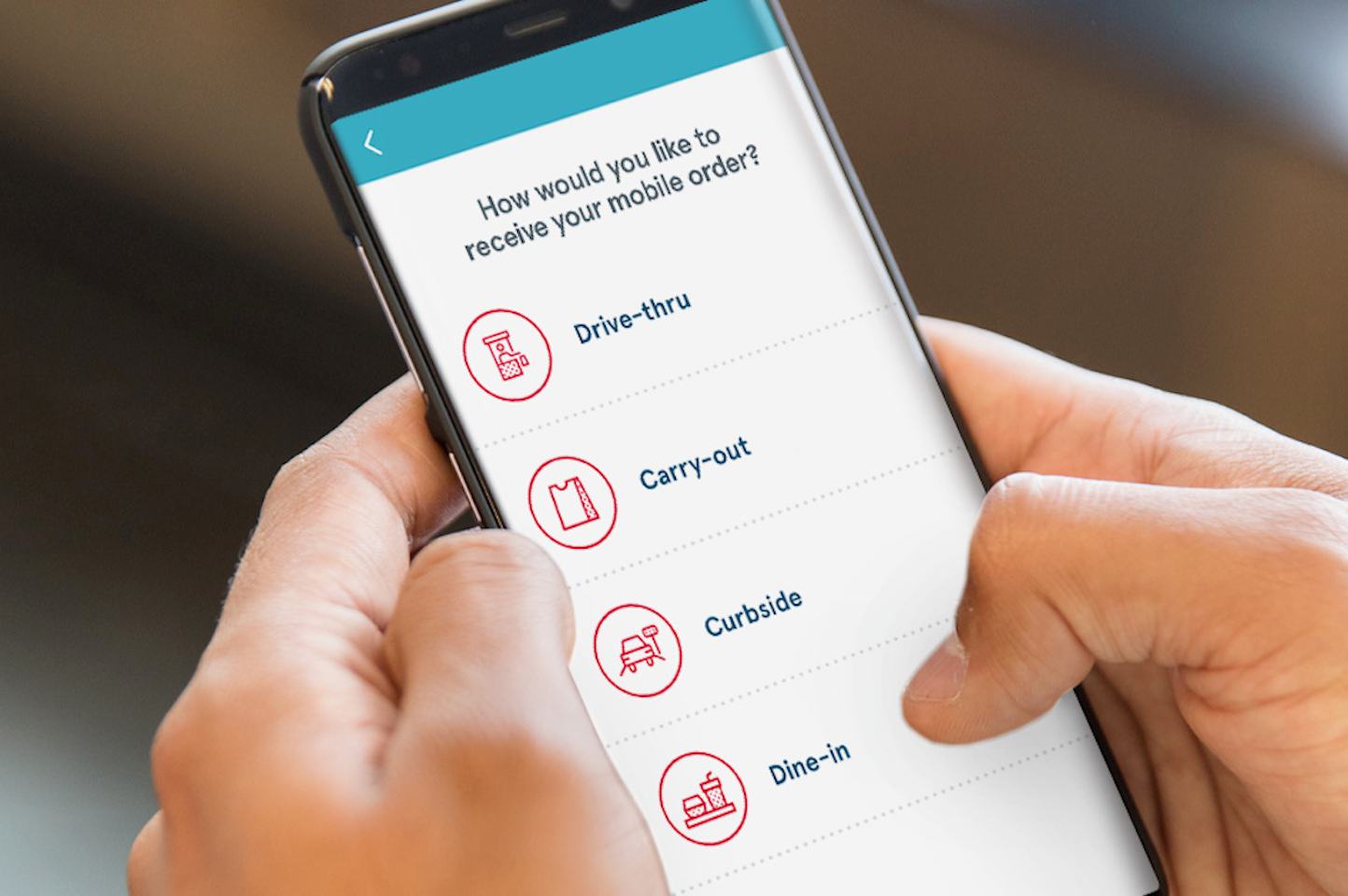
Chick-fil-A is tackling common fast-food challenges with two app new features.
The first feature uses geofencing technology, enabling the app to detect when a customer who ordered ahead is near the restaurant. This allows the kitchen to start preparing the order, helping to reduce waiting times and ensuring customers receive hot and fresh food upon pick-up.
The other new feature provides estimated waiting times for carryout, curbside, and dine-in orders based on factors including order complexity and size. After successful testing in 100 US locations, Chick-fil-A reports an average wait time reduction of one to two minutes, providing accurate estimates over 90% of the time.
These innovations demonstrate Chick-fil-A’s commitment to enhancing convenience and customer satisfaction, streamlining the fast-food experience. By leveraging technology and data-driven insights, Chick-fil-A aims to minimise wait times and deliver a seamless experience for customers.
CLEARCOGS
ClearCOGS has unveiled a new chat-based tool for restaurants called the AI Operations Manager.
Powered by ChatGPT, the tool allows restaurant operators or managers to gain control of their operations by sitting on top of both historical and forecasted data to provide a full past and future look at their business. The AI Ops Manager offers a new way for restaurants to find solutions to day-to-day challenges and receive immediate answers to their questions.
By accessing existing data, the tool generates accurate predictions on what to expect from each upcoming shift – critical information for restaurants working on thin margins. The new ChatGPT feature takes this to the next level by allowing restaurateurs access to vital information at pivotal decision points. ‘What’s really exciting is not just that it’s a translation layer, but it’s able to add value to the data,’ says Matt Wampler, CEO of ClearCOGS.
The system can answer general questions like ‘How was business last week?’ and specific ones like ‘How many plain bagels should I bake today?’ It’s this ability to tap into data at a moment’s notice that will be especially valuable to restaurants.
Goop Kitchen, the healthy takeout brand owned by Los Angeles-based wellness brand Goop, claims that it has improved food costs and profit margins by 2% since integrating ClearCOGS’ technology.
Please contact rachel@gdruk.com to find out how GDR’s consultancy, inspirational speaking, trends and sector reports can help drive positive change in your business.