
Roblox is the world’s largest user-generated gaming platform – a sprawling digital universe where 150 million people log in every single day to play, socialise, build and spend real money. If you have a child between the ages of eight and 16, there’s a good chance it already occupies more of their attention than Netflix, TikTok or Instagram combined.
What Roblox actually is
Roblox is not just a singular game. It is a platform on which around 7 million individual games (referred to internally as ‘experiences’) have been built by an army of independent creators using Roblox’s own development tools. Think of it less like PlayStation and more like a vast, interconnected internet of playable worlds, all accessible from a single place. Players create a customisable avatar, enter a shared virtual space, and move freely between experiences ranging from obstacle courses and role-playing simulations to virtual concerts and branded retail environments. While there are a huge number of experiences available, a relatively small number of those receive the most engagement.
Launched back in 2006, the platform has been building quietly for two decades. An explosive new level of growth arrived during the pandemic, and unlike many other virtual experiences that rose during that time, this growth has not reversed. As of Q3 2025, Roblox reported an incredible 151.5 million daily active users worldwide – nearly double the figure from early 2024. Each month, it reaches an estimated 380 million people across more than 180 countries.
The economy inside the platform

It’s not just the scale of Roblox that makes it worth paying attention to from a commercial perspective, but the fully functioning digital economy contained inside it.
Robux: The platform runs on its own virtual currency, Robux, which users purchase with real money. Robux can be spent on avatar items, accessories, special abilities within experiences, and entry to premium game areas. The company generates almost all of its revenue through sales of Robux. In 2024, Roblox posted total revenue of $3.6 billion – a 29% increase year on year. By 2025, that figure had grown to $4.9 billion.
Creator payouts: Roblox operates a developer exchange programme that converts Robux earnings back into real-world currency (Roblox sets the eligibility requirements and conversion rates). In 2024, the platform paid out $923 million to its creator community – with some individual developers earning more than $50 million. There are an estimated 3.5 million developers on the platform, ranging from teenagers working alone to small studios with full-time teams.
The Limiteds market: Roblox’s ‘Limiteds’ system is a secondary marketplace for rare, limited-edition avatar items. Like a digital streetwear drop, certain items are issued in finite quantities and immediately begin trading between users at speculative prices. A virtual Gucci bag or a rare collectible hat can change hands for the equivalent of hundreds of dollars. This is a native scarcity economy, running entirely within the platform, and it has created a class of Roblox users who treat it with the seriousness of a financial market.
Experiences as destinations: Experiences on Roblox function as destinations in their own right. The most popular games, like social hangout space Brookhaven (120 million monthly active users), accumulate billions of visits and retain players for years. Users do not just play in these spaces, they socialise, attend events, go on dates and build ongoing relationships within them. Average daily time on the platform sits at around 2.4 hours per user. That is a dwell time most physical retailers would find extraordinary.
Who is actually on it
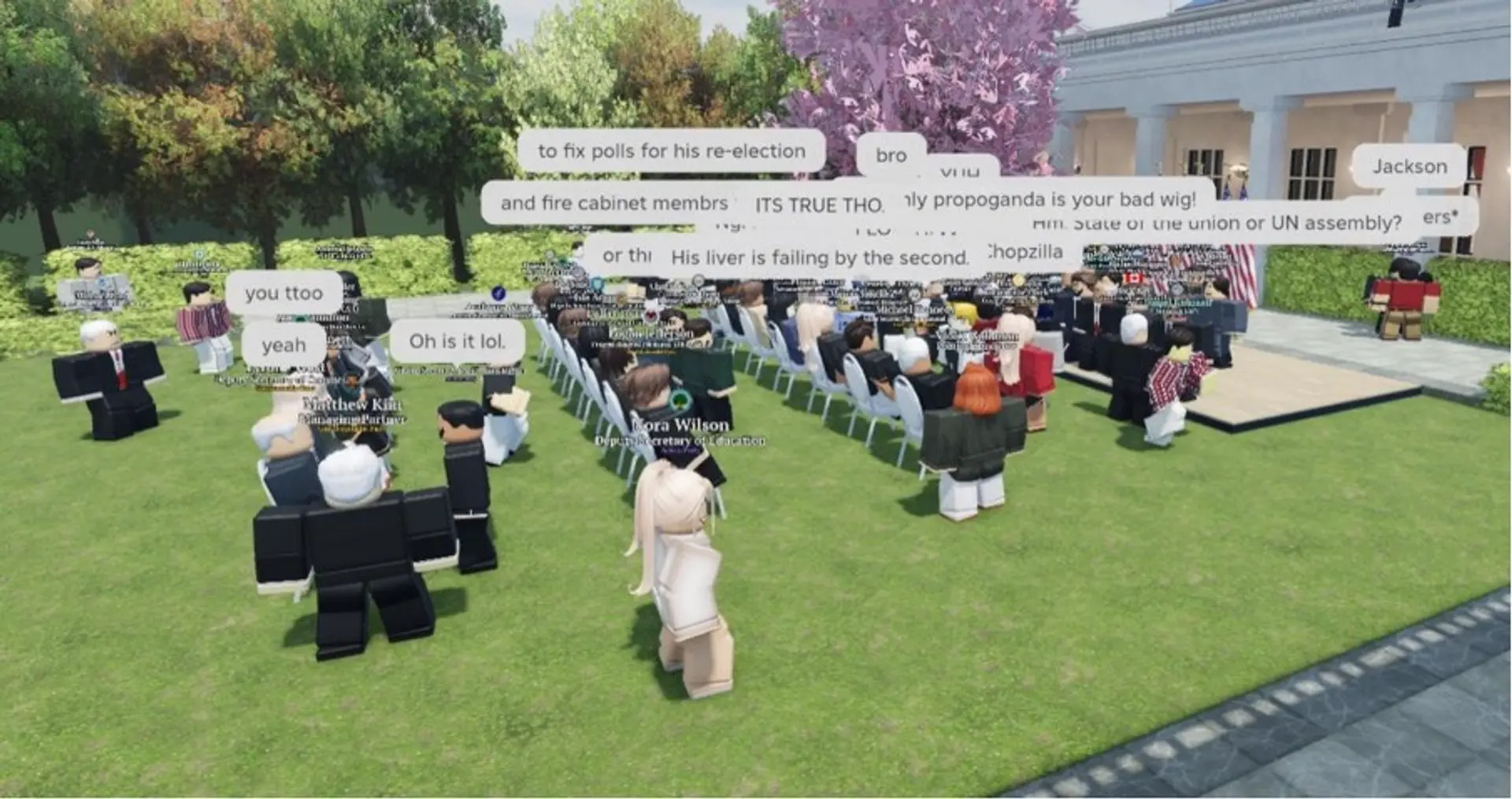
The assumption that Roblox is a children’s platform is increasingly outdated. While it’s true that younger users remain the core (around 40% of daily active users are aged 12 and under), users are not necessarily leaving as they enter their teens and twenties, and the platform’s fastest-growing demographic is now 17 to 24 year olds. As of early 2025, more than 60 million of the platform’s daily users are aged 13 and above, while Roblox’s own data shows 44% of its user base is now over 17. This has big implications from a commercial perspective, as the older the user base gets, the more independent spending power it holds.
Brands already inside the platform
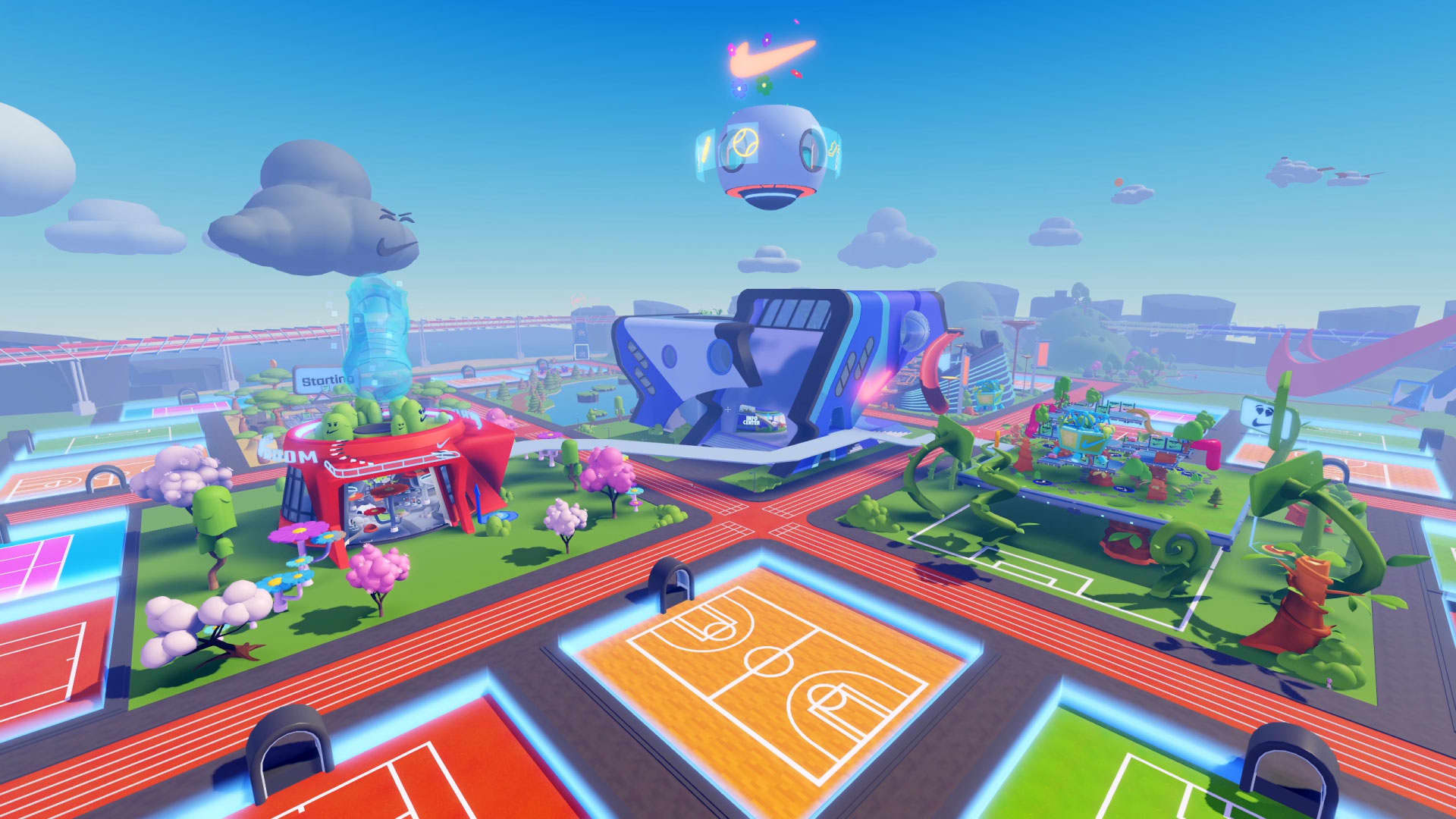
More than 400 brands had activated on Roblox by 2024, nearly double the number from the year before. Nike built NIKELAND, a sports-themed world that has attracted over 20 million visitors and allows players to dress their avatars in digital Nike products. Gucci’s temporary Gucci Town was a virtual piazza that also drew millions of visitors and saw the release of highly collectible virtual accessories. Walmart has launched two separate experiences, including a virtual toy destination and a concert and events space. Ralph Lauren, Tommy Hilfiger, Givenchy, American Eagle, e.l.f. Beauty, Skechers, Claire’s and Chipotle have all built or participated in Roblox activations.
In February 2026 The Salvation Army launched a virtual thrift store on the platform, allowing players to browse and purchase vintage-inspired virtual items (with proceeds going to charity of course). The store was integrated into several popular experiences including Seaboard City and Daycare Party.
The engagement numbers from successful executions are hard to dismiss. Walmart’s experience received a 94% approval rating from players. An NHL-branded hockey experience accumulated 10 million visits within three months, with no external marketing spend. An unofficial, user-created Ryanair experience clocked a million flights before the brand had any official presence on the platform at all.
How brands can enter

For brands looking to enter the space there are several viable entry points, depending on scale of ambition and budget.
Build a branded experience. The highest-investment approach, and potentially the highest-reward. A well-designed, genuinely playable world associated with a brand can attract millions of visits, generate media coverage and create sustained engagement with younger consumers. Partnering with established Roblox creators who already know the platform’s culture and user expectations is key to maximising chances of success here.
Virtual product and avatar items. Brands can create digital versions of their products for avatars to use and wear, either as limited drops or ongoing catalogue items. These can be sold for Robux or gifted as promotional items within experiences. Gucci’s virtual accessories, some of which traded at the equivalent of $3,000 on the secondary market, demonstrated the appetite for brand-affiliated digital goods.
Sponsor or appear within existing experiences. Rather than building their own from scratch, brands can partner with popular existing games to introduce branded elements, sponsor in-game events or place products within established virtual environments. It offers a lower barrier to entry and can reach audiences quickly without the build time of a stand-alone world.
Tie digital to physical. The most sophisticated activations are beginning to connect in-game behaviour with real-world rewards. Walmart has tested embedded e-commerce within its Roblox experience, allowing players to browse and purchase physical products without leaving the platform. e.l.f. Beauty has run activations that bridge digital item collection with real product launches. This ‘digital-to-physical’ pipeline is still early but represents the direction the platform is moving.
Roblox offers access to a massive, deeply engaged audience at a time when traditional advertising channels are losing influence among younger consumers. The brands succeeding here are not simply placing logos in a game, they are building experiences that feel native to the platform, reward participation and create associations that will outlast individual campaigns.