
Most of what we buy is designed to be thrown away, whether it’s packaging that lasts longer than the product itself or items made to be used once and discarded. Entire supply chains are built around speed and convenience, with the assumption that disposal is just part of the process.
According to The World Bank we produce over 2 billion tons of waste every year, and a huge portion of that comes from packaging alone. Around a third of all food is wasted. For a long time, this has just been accepted as the cost of doing business. But that assumption is starting to shift. What’s changing now isn’t just how companies deal with waste, it’s how they’re designing with it in the first place.
From Linear to Circular
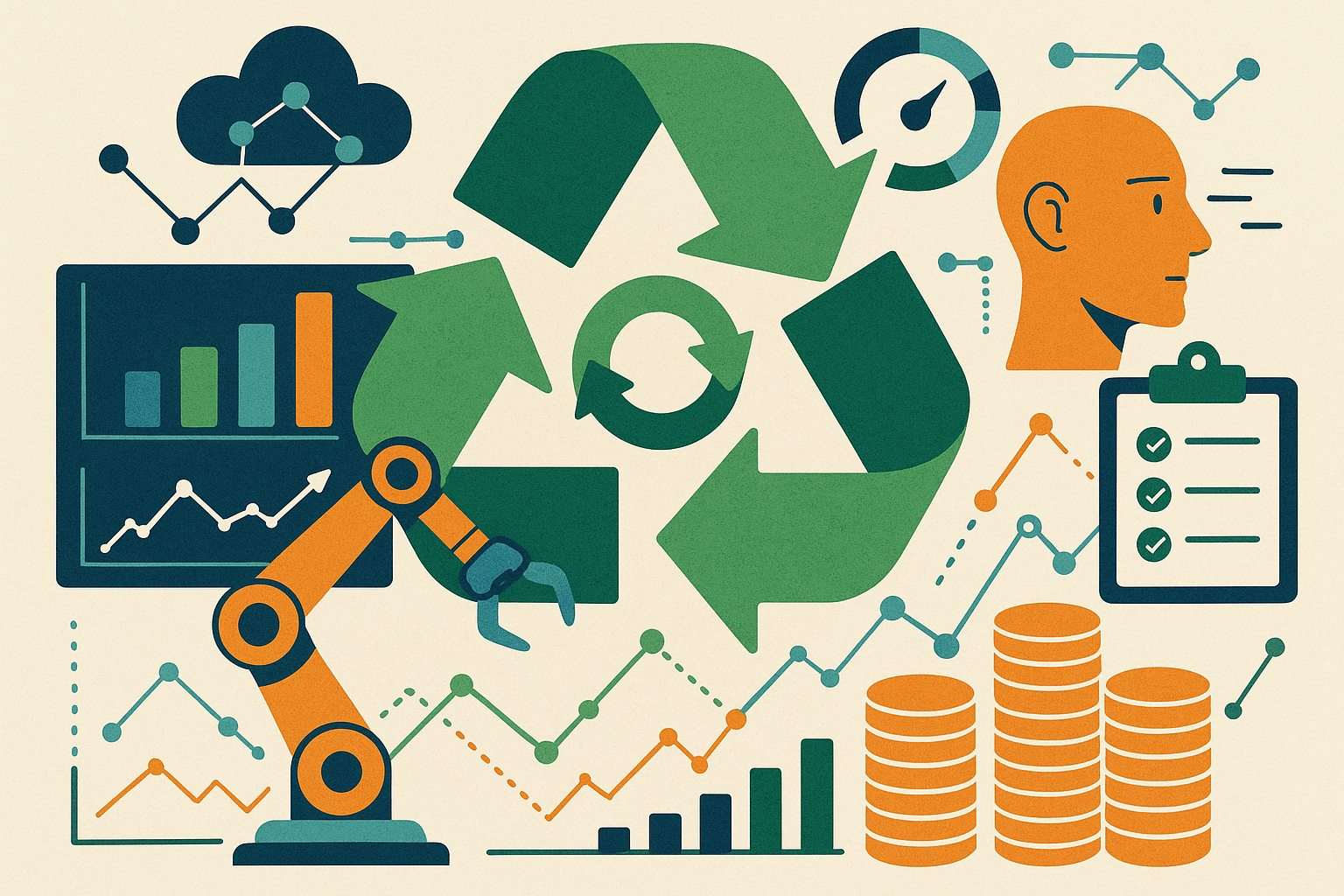
For decades, most businesses have operated within a linear model. They take raw materials, turn them into products, sell them and eventually throw away what is left over. In theory, it makes sense and is a process that will be familiar to businesses around the world. But it’s also incredibly wasteful and inefficient.
The alternative to this is the circular business model. Instead of thinking about where a product “ends up”, brands are starting to think about where it goes next. In this circular context, materials are reused, products are redesigned, and waste is starting to be seen as a flaw rather than just an inevitable outcome. The most interesting part of all of this is that it’s happening across all areas of business, including materials, technology and distribution.
Waste is the new starting point
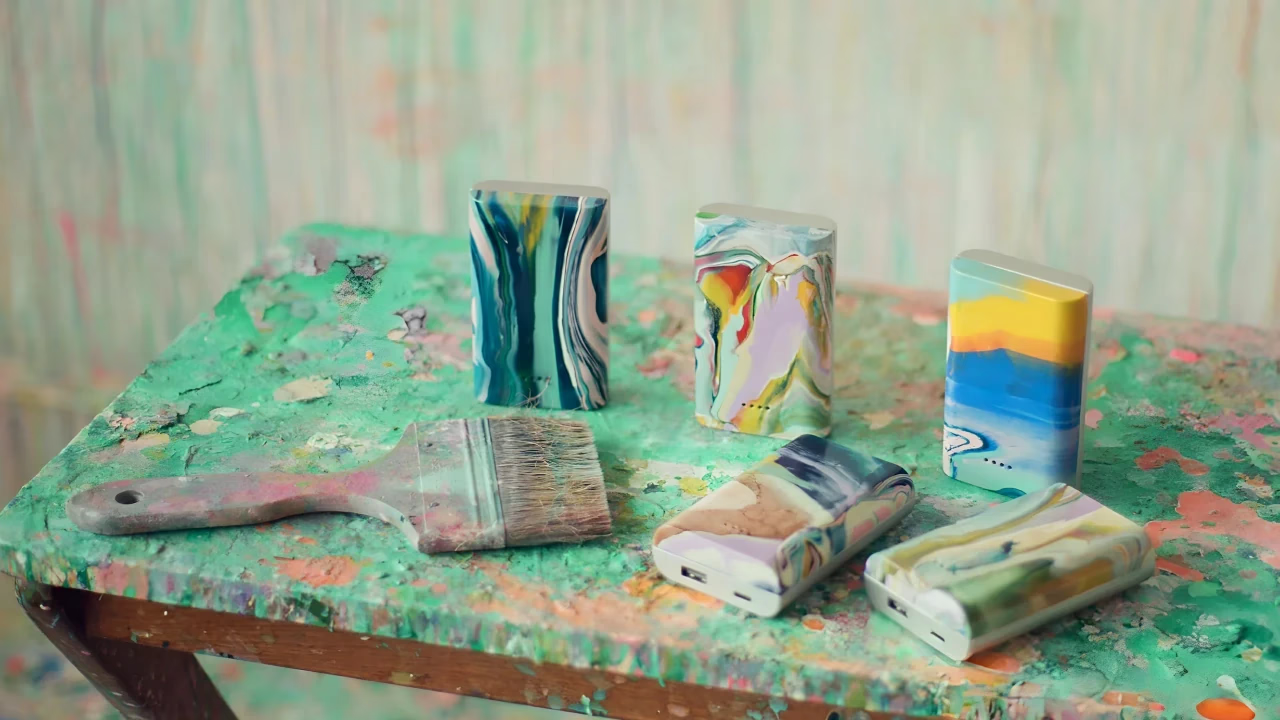
One of the clearest shifts is happening with materials. Companies are starting to treat waste as not something to just minimise, but something to build from. For example, HP has started integrating recycled materials from its own e-waste directly into new laptops. Instead of relying on new materials, they are creating a loop within their own supply chain. Brands like Brighton-based Gomi are doing something similar, turning plastic waste into speakers and tech accessories that are repurposed yet still high quality and desirable. Japanese company Paneco is turning textile waste into store fixtures and panelling. This is not just about brands recycling, it’s about rethinking what the inputs of products are in the first place.
Rethinking distribution
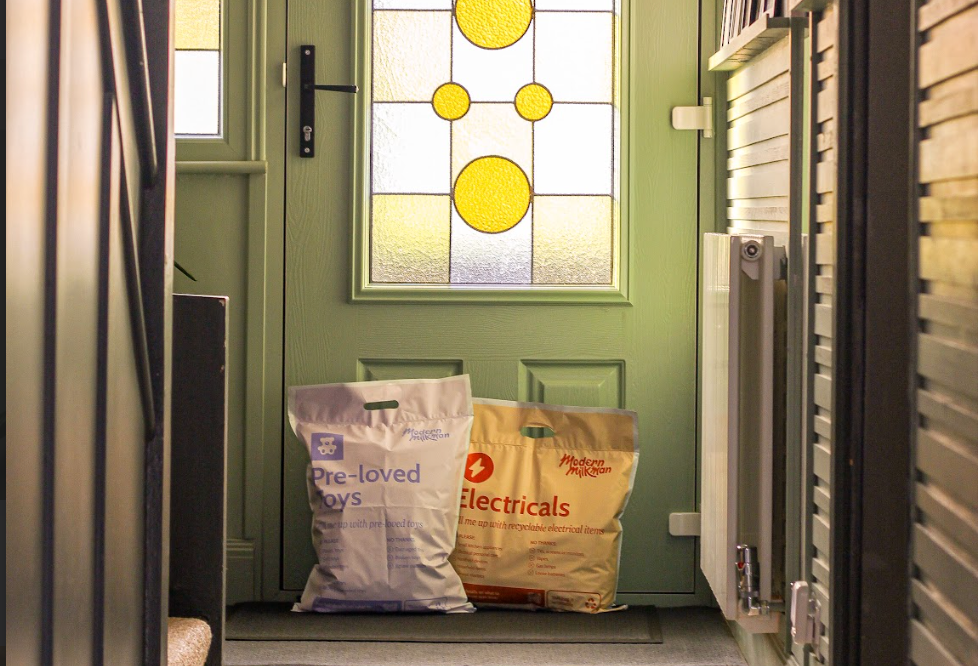
The shift does not stop at just the product. It extends to how products leave their homes as well. UK-based grocery delivery service The Modern Milkman has begun this process through a model that allows customers to leave unwanted items like small electronics or toys outside their home, which are then collected for reuse or recycling at a very low cost. It’s offered alongside the company’s core grocery delivery service, allowing it to diversify at a low cost. It’s a small shift, but an important one. Instead of waste being something that people need to figure out on their own, it’s becoming an integral part of service companies’ business models.
Technology is helping make this possible, but we still need humans
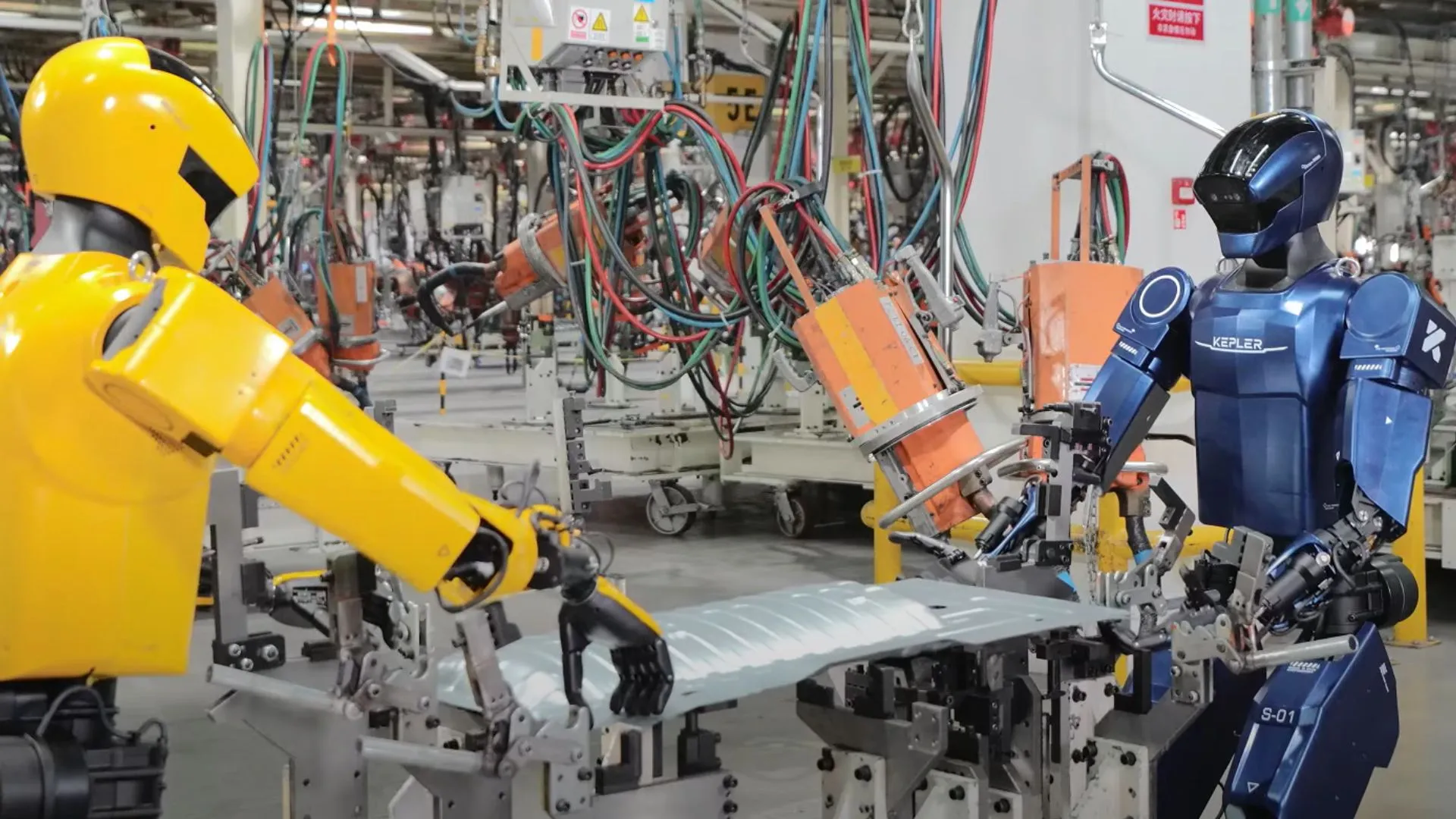
Scale has always been one of the biggest barriers to circular systems. It can be easy to reduce waste in small companies, but challenging to make that shift across large corporations. That is where technology is starting to play a role.
The Glacier AI recycling robot is a good example of this. It uses AI to identify and sort materials very accurately. This is ultimately increasing the chance that items are actually getting recycled rather than ending up in landfills due to missorting.
On the other side, there are companies tackling the problem from a completely different angle. Banish focuses on the stuff that traditional systems just don’t handle well. Through its BRAD program, people can pay a small fee to send in hard-to-recycle items like beauty packaging or blister packs, which are then properly sorted and processed. What’s interesting is that the fee isn’t just for convenience. It reflects the fact that recycling these materials is genuinely expensive. It’s not something that can always be done profitably on its own, so the model shifts slightly to make it work.
There isn’t one perfect solution. Some parts of the system are being improved with AI, others through new business models, and others by getting humans more directly involved.
Is the circular economy profitable?
For a long time, sustainability has been framed as a trade-off. Better for the environment, but more expensive for businesses. That ideology is starting to change. Reusing materials can actually significantly reduce input costs. Eliminating packaging lowers production and logistics expenses. And consumers are increasingly willing to support brands that align with their values, often paying a premium to do so.
You can already see this working in practice. Patagonia has built an entire resale and repair ecosystem through its Worn Wear program, which generates millions in revenue on its own, around $13 million annually. What’s important isn’t just the size of that number, it’s how it is changing. Extending the life of products, something that used to be limiting to sales, is now directly contributing to them.
The circular economy itself is projected to be worth trillions in the coming years. Sustainability is no longer just an ethical decision. It’s becoming a competitive one with brands across all industries.
What do brands need to do today?

Most brands don’t have a waste problem. They have a design problem. A lot of what we call “sustainability efforts” are just attempts to clean up decisions that were made earlier in the process. Better packaging, better communication, better recycling labels. But none of that really changes the fact that the product was never designed to stick around in the first place. The brands that are ahead right now are doing something different. They’re starting earlier. They’re asking whether they need certain materials at all. Whether packaging can be removed instead of improved. Or if the product can come back into the system instead of disappearing from it. That’s a harder set of questions, but it’s where the real change is happening.
And it’s not just a competitive advantage anymore, it’s quickly becoming a requirement. Across Europe, regulations are starting to push brands in this direction whether they’re ready or not. Policies like Extended Producer Responsibility (EPR) are making companies financially responsible for what happens to their products after they’re used, from collection to recycling to disposal. At the same time, new EU rules around eco-design are beginning to require products to be more durable, repairable and easier to recycle.
It also forces a different way of thinking about ownership. If you know a product is going to come back to you, you design it differently. You build it to last or to even be repairable. That’s where circular supply chains actually start to make sense. There’s also a cost side that doesn’t get talked about enough. Waste isn’t free. It shows up in raw materials, logistics, and inefficiencies across the system. The more systems that are designed efficiently, the more those costs shrink over time. None of this is easy, and most brands won’t get it right immediately. But the ones that keep treating sustainability like a layer on top of the business are going to keep running into the same problem. They’re trying to fix the output instead of changing the system that created it.